Importing Laser Cutting & Engraving Machines from China
Jun 14, 2026
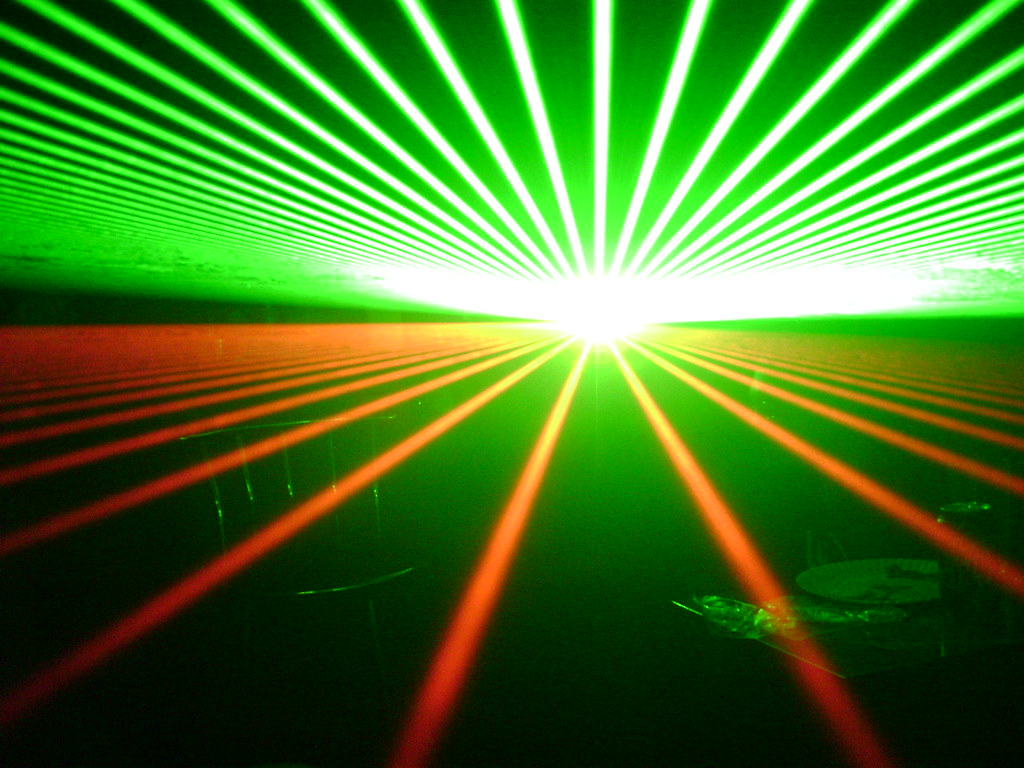
A laser cutter is often the single machine that turns a small metal or acrylic workshop into a real production business. It cuts sheet metal, wood, acrylic and signage faster and cleaner than any manual process, with almost no tooling to replace. But laser machines are not interchangeable, and the wrong choice is expensive to fix. This guide explains which type to buy for your material, where in China to source it, and what to verify before your machine ships to Jeddah or Dammam.
Which laser type matches your material
The first decision is the laser source, because it decides what you can cut. There are three main types and they are not substitutes for one another.
- Fiber laser — for metals: carbon steel, stainless, aluminum, brass, copper. This is the machine for metal fabrication shops, signage makers and kitchen manufacturers. Power ranges from 1kW to 6kW for most workshops, and 12kW–30kW for thick-plate cutting.
- CO2 laser — for non-metals: acrylic, wood, MDF, leather, fabric, paper, rubber. Ideal for advertising, signage, gift engraving and upholstery. Common power is 80W–150W for engraving and light cutting.
- UV / marking laser — for permanent marking and fine engraving on metal, plastic and electronics.
Buying a CO2 machine and expecting it to cut steel — or an underpowered fiber machine for thick plate — is the most common and costly mistake importers make.
Where to source in China
China dominates global laser manufacturing, and the industry is geographically concentrated. Jinan in Shandong province is the laser-cutting capital, home to hundreds of assemblers. Wuhan is the heart of the laser-source industry, and Shenzhen and Guangdong host many engraving and marking builders.
Think in tiers. Tier-one brands such as Han's Laser (HGTECH) and Bodor build complete machines with strong service networks and higher prices. Tier-two builders assemble solid machines around premium components. The single most important spec is the laser source: IPG (German/US) is the top tier, while Raycus and Max Photonics are reliable Chinese sources at lower cost. The control system matters too — Cypcut / Friendess for fiber and Ruida for CO2 are the market standards.
What to check before you pay
Specs on a quotation mean nothing until they are proven. Insist on a Factory Acceptance Test (FAT) where the machine cuts your actual materials at your actual thicknesses while you or your agent watch.
- Confirm the laser source brand, power and serial number match the quotation.
- Verify cutting bed size (1500×3000mm is standard) and whether the enclosure is open, semi-closed or fully enclosed with fume extraction.
- Check the chiller, cutting head brand (Raytools, WSX, Precitec) and assist-gas setup.
- Demand a spare-parts kit: protective lenses, nozzles, ceramic rings, focus lens. These are consumables and slow to reorder.
- Confirm CE marking, a clear warranty on the source (usually two years), and operator training either remotely or on delivery.
Shipping, installation and cost
A fiber cutter is heavy and precision-aligned, so it needs solid wooden crating and careful handling. A standard 3×1.5m machine fits a 40ft container; larger plate cutters may need flat-rack or breakbulk freight. Budget for sea freight to Jeddah Islamic Port or King Abdulaziz Port in Dammam, plus inland transport and rigging into your workshop.
As a rough guide, a 100W CO2 engraver runs about SAR 12,000–30,000; a 1kW–3kW fiber cutter typically lands between SAR 75,000 and SAR 220,000; high-power plate systems exceed SAR 400,000. Lead time is usually 30–45 days for production plus 25–35 days sea transit. Remember the machine needs three-phase 380V power and a compressor or gas supply on site.
Common mistakes to avoid
- Choosing power by price instead of by the thickest material you will cut.
- Ignoring the source brand — a cheap source shortens machine life dramatically.
- No spare consumables, leaving the machine idle for weeks waiting on a lens.
- Skipping the FAT and discovering cut-quality problems only after the machine lands.
- Forgetting after-sales: who resets an alarm or replaces a source once it is in Riyadh?
How Terrace International helps
Terrace International has a team on the ground in Guangzhou that visits laser factories in Jinan, Wuhan and Shenzhen on your behalf. We verify the real laser source and control brand, run the FAT with your own material samples, negotiate warranty and a spare-parts kit, handle CE documentation and SABER, and manage crating and heavy freight to Jeddah or Dammam. From a single engraver to a full fiber-cutting line, we protect your investment end to end. Contact us to source the right laser machine from China with confidence.
Related Articles
Product Import Guides
Importing Tablets and E-Readers from China to Saudi Arabia
Jul 16, 2026
Product Import Guides
Importing Car Dash Cams and In-Car Electronics from China to Saudi Arabia
Jul 14, 2026
Product Import Guides
Importing EV Chargers and Charging Stations from China to Saudi Arabia
Jul 12, 2026