Importing LED Lighting & Fixtures from China to Saudi Arabia
Jun 01, 2026
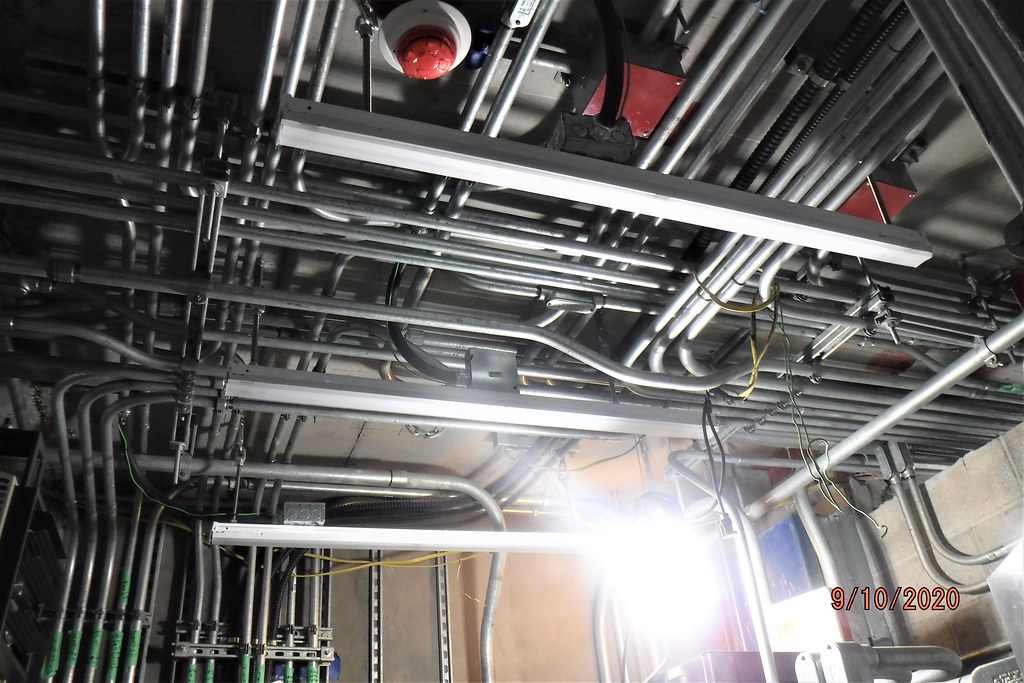
LED lighting is one of the most profitable products to import from China, and also one of the most loaded with technical traps. A lamp that looks identical to its rival in a photo may have a real lifespan of 2,000 hours instead of 25,000, may flicker in a way that strains the eyes, or may burn out its driver after a month on Saudi Arabia's 220V grid. Lighting is an electronic and electrical product first and a decorative one second, and anyone who reverses that order loses.
Why Import LED Lighting from China
China manufactures the vast majority of the world's lighting, from the LED chip to the finished product, giving it unmatched variety and pricing. But that same breadth means huge quality variation between factories, with a price gap of up to 50% for two products that look identical. The real value is not in finding the cheapest, but the factory that uses reliable chips and components at a fair price.
Where to Buy in China
- Zhongshan, Guzhen town: nicknamed the "lighting capital" of the world. A massive market for all home, decorative and chandelier lighting.
- Shenzhen: the hub for technical and commercial lighting, LED strips, smart lighting, and retail (track/spot) lighting.
- Ningbo: strong in street, outdoor and industrial lighting.
Critical Inspection Points for Lighting
Lighting is tested with instruments, not just by eye:
- The driver: the heart of the product and its most failure-prone part. Confirm it is rated for 220–240V 50Hz (the Saudi grid) and from a known brand (Mean Well, Lifud, Done), not an unbranded driver.
- Color temperature (CCT): specify it precisely (3000K warm, 4000K neutral, 6000K cool) and demand consistency across the batch. CCT variation between lamps in the same room is a glaring defect.
- Color rendering (CRI): no less than 80, and 90+ for shops and showrooms where product color matters.
- Flicker: demand "no flicker." Hidden flicker causes eye strain and headaches.
- Ingress protection (IP): for outdoor and bathroom lighting accept nothing below IP65. Verify the quality of the aluminum heat sink, because heat kills LEDs.
Certification and Compliance (This Is the Big One)
Lighting is one of the most regulated products in Saudi Arabia and will not clear without full compliance:
- Conformity via SABER: a product PCoC then a shipment SCoC, mandatory.
- Energy efficiency (SEEC): lighting products fall under the Saudi energy-efficiency standard and need an energy-efficiency label and possibly prior registration. Products that miss the minimum efficiency threshold are rejected at customs.
- Make sure the factory understands SASO requirements specifically, not just European CE; they are different.
Warning: a lighting shipment without a valid energy-efficiency label or SABER certificate can be held in customs entirely. Begin compliance before production and confirm the product model is registered.
Shipping Characteristics
Lighting is fragile and sensitive to shock and moisture. Its specific points:
- Chandeliers and glass fixtures need custom packaging (shape-cut foam + separate boxes).
- LED strips and bulbs are lightweight but bulky; calculate by CBM.
- Request silica-gel desiccants inside electronics boxes to avoid damage during the humid sea voyage.
The usual gateways are Jeddah Islamic Port and King Abdulaziz Port in Dammam, with roughly 30–40 days transit.
MOQ, Cost and Common Mistakes
Minimums typically start at 500–1,000 units for a simple model, fewer for large chandeliers. The most common mistakes: buying on looks without testing real lifespan and driver, ignoring CCT consistency, and assuming a CE-certified product automatically passes in Saudi Arabia. Always test a sample on an actual 220V grid before a large order, and factor 15% VAT into your pricing.
Warranty, Spare Drivers and Smart Compatibility
Negotiate a written warranty (commonly 2–3 years on quality fixtures) and order spare drivers and LED modules with the shipment, since the driver fails first and an out-of-production model leaves you with dead fixtures. If you sell dimmable or smart lighting, test compatibility with the dimmers and apps actually used in the Saudi market, as many cheap LEDs flicker or buzz on local dimmers. Finally, confirm color binning: ask the factory to ship LEDs from a single bin so two 4000K downlights side by side do not read as different whites.
At Terrace International our Guangzhou team visits factories in Zhongshan and Shenzhen, tests the driver, CRI and flicker on the ground, and confirms the product meets SABER and Saudi energy-efficiency standards before shipment. Contact us to import LED lighting that clears customs safely and lasts in your customers' hands.
Related Articles
Product Import Guides
Importing Tablets and E-Readers from China to Saudi Arabia
Jul 16, 2026
Product Import Guides
Importing Car Dash Cams and In-Car Electronics from China to Saudi Arabia
Jul 14, 2026
Product Import Guides
Importing EV Chargers and Charging Stations from China to Saudi Arabia
Jul 12, 2026