Importing Large LED Screens for Events and Facades from China to Saudi Arabia
Apr 15, 2026
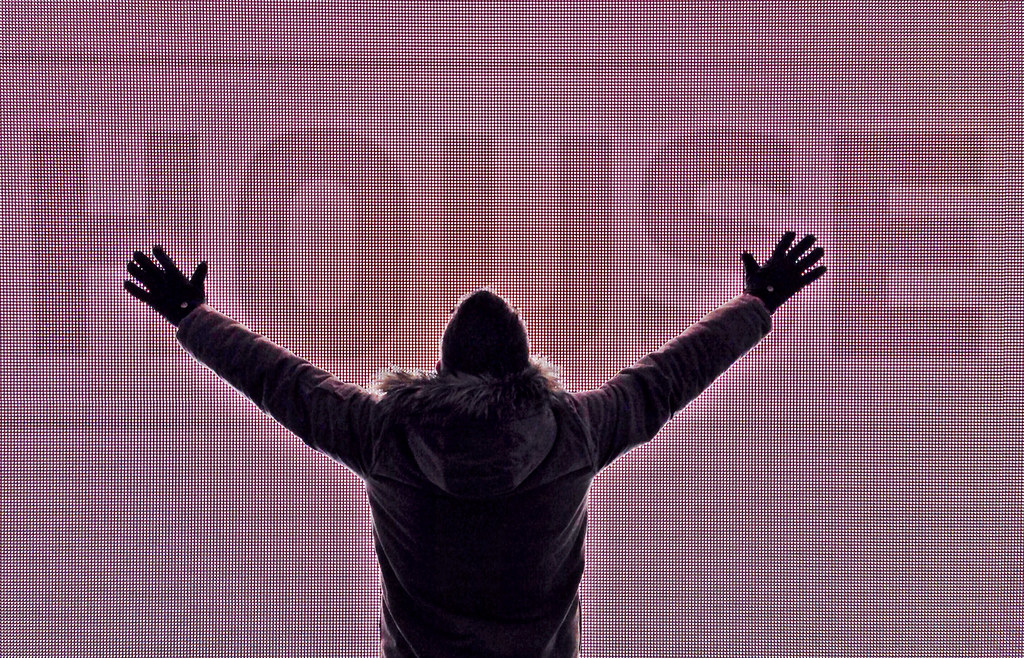
From Riyadh Season concerts to tower facades in Jeddah and Khobar, giant LED screens have become a fixture of Saudi Arabia's events and outdoor advertising scene. Equipment rental companies, out-of-home advertising agencies, and event contractors who own their screens instead of renting achieve fast returns — a screen bought at Chinese factory prices pays for itself within a handful of projects. And China is not one option among many here; it is essentially the source of the entire industry, with Shenzhen alone producing the lion's share of the world's LED display output. But the category is full of fine technical differences that separate a screen delivering brilliant colour for five years from one filling up with dead pixels after a single season.
First, Understand: Rental Screens Are Not Facade Screens
The biggest mistake in this category is confusing two radically different products:
- Event/rental screens: lightweight aluminium cabinets with quick-lock systems, designed for hundreds of transport and assembly cycles, usually in fine pitches (P2.6 to P4.8) for close viewing on stages.
- Fixed facade screens: weatherproof cabinets rated IP65 and above, with very high brightness (approximately 5,000 to 8,000 nits) to fight the Saudi sun, in coarser pitches (P6 to P10) for distant viewing.
Buying one type for the other's job guarantees failure: an indoor screen on an outdoor facade will die from heat and dust, and a facade screen on a stage will look pixelated to a nearby audience.
Where They Are Made: Shenzhen, the World's LED Capital
The Bao'an, Longgang, and Guangming districts of Shenzhen host thousands of LED display factories, from giants supplying Olympic-scale projects to small workshops assembling cheap modules. The essential difference between factories is the source of the LED lamps themselves (chips from reputable makers versus unknown chips), the quality of receiving cards and processors, and the precision of colour calibration between cabinets. Guangzhou sits nearby with export offices and consolidation services, making southern China a complete one-stop region for this category.
Quality Specifications to Verify Before Paying
- LED lamps: ask who manufactures the lamps and request proof; good lamps hold brightness and colour for years.
- Actual brightness: measure with an independent meter, not the catalogue — outdoor screens need 5,000 nits and above to stay readable in daylight.
- Refresh rate: 3,840 Hz or higher for screens that will be filmed at events; anything less shows flicker on broadcast cameras.
- Colour calibration: run several adjacent cabinets on a uniform grey and inspect for variation by eye and by camera.
- Aging test: require the fully assembled screen to run 48 to 72 hours at the factory before shipment to expose defective modules early.
- Spare parts: insist on 2% to 5% spare LED modules plus extra receiving cards and power supplies with every screen.
Approvals, Shipping, and Customs
Screens and their electrical components need SASO conformity and SABER registration for clearance certificates, along with CE certificates and electrical safety reports from the factory; confirm power supplies suit Saudi 220V mains. Heavy screens ship by sea in padded wooden crates over approximately 18 to 30 days to Jeddah Islamic Port or King Abdulaziz Port in Dammam, while urgent event orders fly at much higher cost. Customs duty runs around 5% plus 15% VAT, and cargo insurance genuinely matters here given the product's fragility and value.
Approximate Prices per Square Metre
- Indoor P2.6 to P3.9 screens: approximately SAR 1,800 to 4,500 per square metre depending on lamp and processor quality.
- Outdoor rental P3.9 to P4.8: roughly SAR 2,200 to 5,000 per square metre.
- Fixed facade P6 to P10: approximately SAR 1,200 to 3,000 per square metre.
- Processors and control systems: SAR 4,000 to 40,000 depending on screen size and processor grade.
- MOQ: flexible — screens sell by the square metre and factories accept orders from about 10 to 20 square metres upward.
Common Screen-Import Mistakes
The most frequent: comparing on price without asking about lamp sourcing; buying an indoor screen for an outdoor site; ignoring refresh rate and failing at the first televised event; skipping spares and then waiting a month for a single module; neglecting training on the control system and software; and not testing the fully assembled screen at the factory before shipment. Every one of these is fixable at essentially zero cost if addressed before contracting.
Golden rule: buy a screen on the basis of its LED lamp source, refresh rate, and aging-test results — those three determine lifespan and performance more than any marketing specification.
Terrace International's field team lives in the heart of the LED industry in Shenzhen and Guangzhou: we shortlist genuine manufacturers, attend aging and calibration tests ourselves, negotiate spares and warranty terms, and manage freight and clearance to your site. Message us before your next screen purchase and get world-class quality at source pricing.
Related Articles
Product Import Guides
Importing Tablets and E-Readers from China to Saudi Arabia
Jul 16, 2026
Product Import Guides
Importing Car Dash Cams and In-Car Electronics from China to Saudi Arabia
Jul 14, 2026
Product Import Guides
Importing EV Chargers and Charging Stations from China to Saudi Arabia
Jul 12, 2026