Importing Mattresses and Pillows from China to Saudi Arabia
Jun 27, 2026
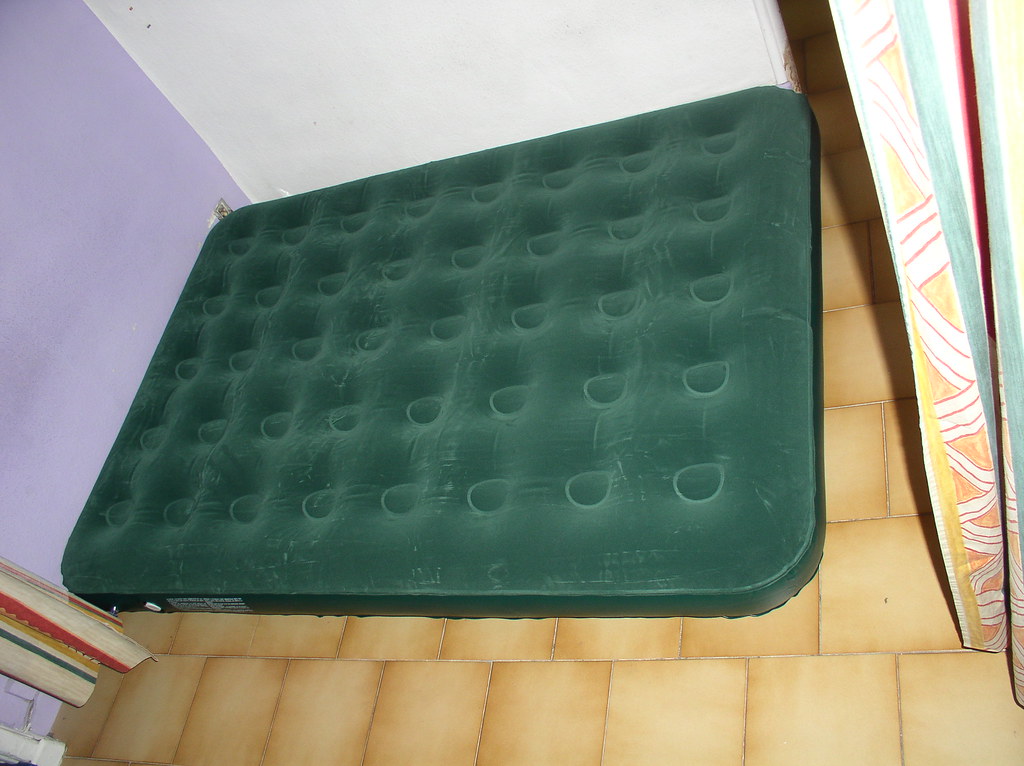
For furniture retailers and hospitality suppliers across Saudi Arabia, mattresses and pillows are a high-volume category with healthy margins, yet they are also among the trickiest products to import well. Get the foam density, roll-packing, and SASO paperwork right, and you land a container that clears Jeddah or Dammam smoothly and sells for months. Get them wrong, and you inherit sagging cores, off-gassing complaints, and blocked shipments. This guide walks through sourcing mattresses and pillows from China the way an experienced importer does.
Why import mattresses from China
China dominates global mattress manufacturing because it combines mature foam chemistry, spring-unit automation, and roll-packing technology under one roof. That mix means you get competitive quality at roughly a third of the cost of local or European production, with full flexibility on the sizes the Gulf market wants, such as 200x200 cm and 180x200 cm.
Where to source in China
Foshan in Guangdong province is the heart of the industry, specifically the Lecong furniture district where spring and compressed-mattress factories concentrate. For memory-foam and hybrid mattresses, Shenzhen and Dongguan offer deeper expertise in foam formulations. For pillows, fiber fills, and synthetic down, Nantong in Jiangsu province is the largest home-textile cluster, home to suppliers who specialize in hotel pillows and mattress protectors.
Quality control pitfalls to watch
The most important number in a mattress spec is foam density, measured in kilograms per cubic meter. Factories cut cost by cutting density, so you receive a mattress that feels great on arrival and then sags within months. Insist on at least 30 kg/m3 for support layers, lock the figure into the purchase contract in writing, and verify it with a lab test.
- Spring unit: check coil count and wire gauge; higher-count pocket springs mean better support and longer stability.
- Edge support: require a reinforced perimeter frame to stop edges collapsing when sat on.
- Pillow fill weight: specify grams per piece, because suppliers quietly reduce fill to hit a price.
- Off-gassing and VOCs: cheap foam releases strong chemical odors; request low-emission foam and a mandatory airing period before packing.
Certifications and Saudi compliance
Mattresses and pillows fall under the SABER system operated by the Saudi Standards, Metrology and Quality Organization (SASO). You will need a Shipment Certificate of Conformity and a Product CoC through the platform, and the factory must hold test reports for the materials used. Keep a certified lab report for foam density and for the flammability of outer fabrics, and remember that every invoice carries 15% VAT through the ZATCA platform on domestic sale.
Shipping, volumetric weight and handling
This is where the smart importer wins or loses. An uncompressed mattress is bulky and consumes the whole container, whereas roll-packing lets you ship three to four mattresses in the space of one, slashing the freight cost per piece. Require vacuum compression and rolling for foam and hybrid models, but respect one critical rule: do not leave a mattress compressed for more than sixty to ninety days so it can fully recover its shape after opening. Plan the shipping schedule to arrive before that window closes, and use a 40-foot high-cube container (40HQ) to maximize the number of rolls.
MOQ, costs and common mistakes
Minimum order quantity is usually 100 to 300 pieces per model and size, and it can be lowered by mixing several models in one container. The most common mistake is trusting a catalog photo instead of inspecting a real production sample, followed by skipping the density test, then ignoring fabric flammability requirements. The third costly mistake is receiving a container of compressed mattresses that shipped late and lost part of their loft. Treat these points as binding contract clauses, not minor details.
The golden rule: inspect a production sample with your own hands before confirming the container, and never trust a density figure that is not written into the contract and lab-tested.
At Terrace International, our on-the-ground team in Guangzhou visits the Foshan and Nantong factories on your behalf, checks foam density, fill weight, and compression quality before shipping, and handles the SABER file and clearance in Jeddah and Dammam so you receive a container ready to sell. Contact us today to start sourcing your next shipment from China.
Related Articles

Product Import Guides
Importing Tablets and E-Readers from China to Saudi Arabia
Jul 16, 2026
Product Import Guides
Importing Car Dash Cams and In-Car Electronics from China to Saudi Arabia
Jul 14, 2026
Product Import Guides
Importing EV Chargers and Charging Stations from China to Saudi Arabia
Jul 12, 2026