Importing Motorcycles from China to Saudi Arabia: The Complete Trader's Guide
Mar 18, 2026
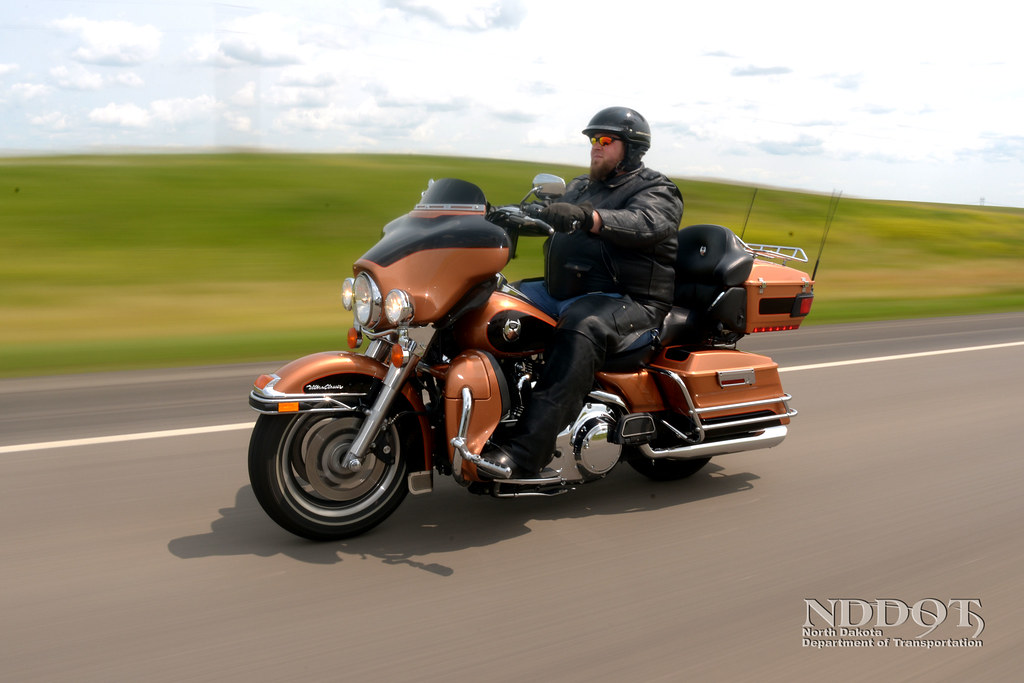
Demand for motorcycles in Saudi Arabia is growing visibly, driven by the boom in food and parcel delivery apps, the rising cost of running cars, and a spreading leisure-riding culture among young Saudis. A delivery bike that retails locally for four or five thousand riyals may cost barely half that ex-factory in China — and that gap is the opportunity for a trader who knows how to import properly. But motorcycles are not general cargo: they are vehicles subject to conformity and registration requirements, and one mistake in specs or paperwork means a shipment stuck at the port.
Why China Leads This Category
China is the world's largest motorcycle producer by volume, home to established names such as Loncin, Zongshen, Lifan, and Haojue, plus hundreds of factories offering private-label (OEM) production at reasonable minimums. The real advantage is not just price but range: economical 110–150cc delivery bikes, 200–400cc sport models, electric motorcycles and scooters, and off-road machines for desert use — all within one supply chain.
Where They Are Made: Chongqing, Guangdong, Jiangsu
- Chongqing: the historic capital of Chinese motorcycle manufacturing, hosting the biggest engine plants and economy-bike factories.
- Jiangmen and the Guangdong cluster: mid- and higher-spec motorcycles, conveniently close to export ports and to our field team.
- Wuxi and Changzhou (Jiangsu) plus Tianjin: the heartland of electric motorcycles and scooters.
Visiting the factory — or sending a field team to do it — is a necessity, not a luxury. The difference between a manufacturer with integrated welding and painting lines and a trading company assembling bought-in parts shows up directly in how the bike survives Saudi roads and heat.
CBU or CKD: A Decision That Shapes Your Business Model
You can import complete built-up units (CBU), the simplest route for most traders, or semi/completely knocked-down kits (SKD/CKD) to cut freight cost per unit — an option that only makes sense if you have an assembly workshop and trained technicians. Most Saudi importers start with CBU and consider partial knock-down as volumes grow: a standard 40ft container takes roughly 40–60 partially disassembled bikes versus far fewer fully assembled ones, so the packing decision changes your unit economics significantly.
Specifications and Approvals Required in Saudi Arabia
- SASO and SABER: motorcycles fall under vehicle regulations and need a Product Certificate and a Shipment Certificate through the SABER platform before customs clearance.
- Gulf (GSO) conformity for two-wheelers: lighting systems, braking, and a clearly stamped VIN that matches the shipping documents exactly.
- Gulf operating conditions: specify cooling and rubber components rated for temperatures above 45°C — the default spec for China's domestic market may not survive a Riyadh summer.
- For electric models: UN38.3 battery certification and IEC safety test reports are essential.
Costs, MOQs, and Shipping
- MOQ: many factories accept 20–50 units per model; some require a full container.
- Approximate ex-factory prices: a 125–150cc delivery bike runs roughly USD 480–950; a 250–400cc sport model roughly USD 1,200–2,400 depending on spec.
- Sea freight: approximately 18–30 days to Jeddah Islamic Port or King Abdulaziz Port in Dammam.
- Budget for customs duty of approximately 5% and 15% VAT when calculating landed cost and retail margin.
Common Mistakes That Cost Importers Dearly
The classics: importing a model whose VIN documentation is incomplete, making registration impossible; forgetting to order consumable spare parts (pistons, brake pads, tires) in the same shipment; approving an excellent sample and then receiving bulk production with cheaper components; skipping heat testing of brakes and tires; and comparing two quotations on price alone when the underlying specifications are genuinely different.
Golden rule: never release the final payment before an on-site inspection that test-runs random units and matches every chassis number against the bill of lading.
The Terrace International field team in Guangzhou and Shenzhen visits motorcycle factories on your behalf, negotiates Gulf-spec pricing, inspects the shipment before loading, and manages SABER paperwork and freight all the way to the port of arrival. Get in touch and start importing your bikes with confidence.
Related Articles

Product Import Guides
Importing Tablets and E-Readers from China to Saudi Arabia
Jul 16, 2026
Product Import Guides
Importing Car Dash Cams and In-Car Electronics from China to Saudi Arabia
Jul 14, 2026
Product Import Guides
Importing EV Chargers and Charging Stations from China to Saudi Arabia
Jul 12, 2026