Importing Networking Equipment (Routers & Switches) from China
Apr 24, 2026
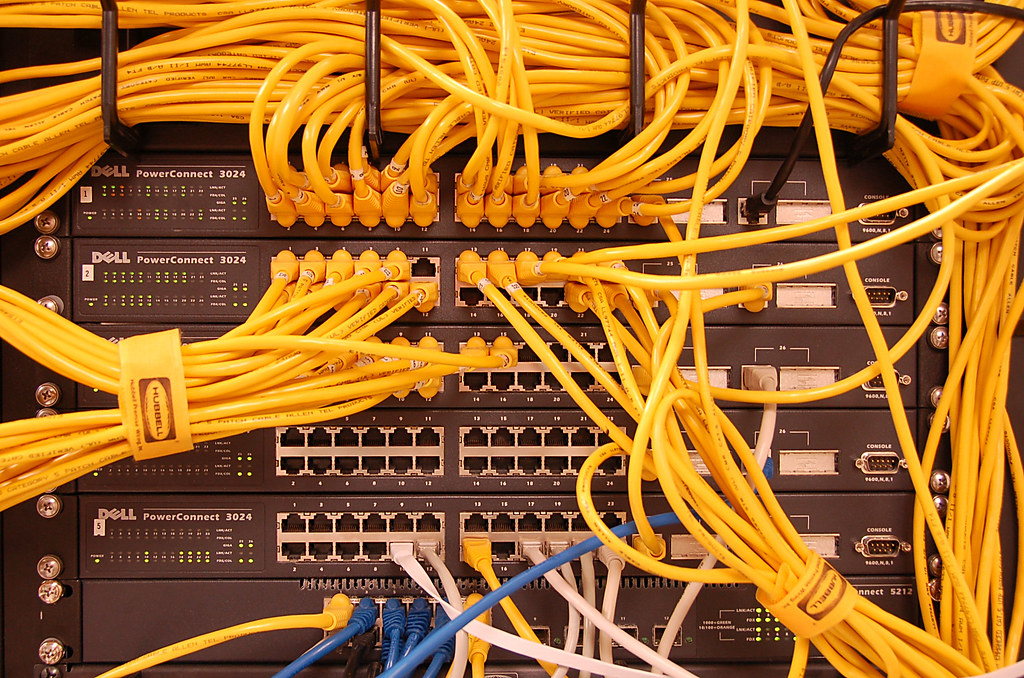
With Saudi Arabia's accelerating digital transformation and expanding infrastructure and telecom projects, demand for networking equipment is rising: routers, switches, wireless access points and fibre-optic devices. China is a major global source for this equipment, but importing it differs fundamentally from ordinary electronics because of one decisive requirement: wireless frequency approval. Ignore this and your entire shipment can be held.
Why import from China?
China manufactures a large share of the world's networking gear, from major brands to ODM factories that produce under your own label. This gives you significant pricing and customisation flexibility: a managed switch can start at USD 25, a home router at USD 8–20, and a commercial access point at USD 20–60 depending on specification, port count and throughput.
Where to buy inside China
The telecom-equipment industry is concentrated in Shenzhen — home to major telecom companies and networking hardware factories — with clusters in Dongguan and Hangzhou. Choose a factory experienced in exporting and already familiar with Gulf market requirements; this saves you costly compliance rounds later.
Product-specific quality and compliance pitfalls
- Wireless frequencies: the single most important item. Devices must support the Wi-Fi bands permitted in Saudi Arabia (2.4 and 5 GHz, plus 6 GHz channels per CST regulation) and stay within authorised transmit power limits. A device set up for the US market may use channels banned locally.
- Firmware: confirm system stability, update capability, freedom from vulnerabilities or backdoors, and support for regional language and settings.
- Hardware: inspect power-supply quality, cooling, port durability, and whether the rated speeds are real (true Gigabit, not nominal).
Regulatory approvals: CST and SABER
Any device that transmits radio frequencies requires Type Approval from the Communications, Space & Technology Commission (CST) before it can be imported and marketed in the Kingdom. This is a separate step complementing SABER registration and the PCoC/SCoC certificates for electrical safety and electromagnetic compatibility. Make sure the supplier provides RF test reports aligned with approved standards, because a missing CST approval is the number-one cause of networking-shipment rejection.
Shipping, MOQ and costs
MOQ typically starts at 100–500 units depending on device type. The gear is relatively compact and high-value, making air freight via Riyadh or Jeddah a sensible choice for first or urgent batches, while sea freight (about 30 days) suits large volumes. Factor in the 15% VAT, customs duty, SABER fees, and the cost of obtaining Type Approval if it does not already exist for the model.
Common mistakes to avoid
- Importing devices without confirming CST approval in advance — the most expensive mistake in this category.
- Accepting a model built for a different market (US/EU) with incompatible frequencies or voltage.
- Skipping firmware and security testing before a large order.
In networking equipment, Type Approval before shipping is not optional — it is a condition of entry to the Saudi market.
Terrace International's team in Guangzhou vets factories in Shenzhen, confirms devices support the Kingdom's approved frequencies, and coordinates Type Approval with CST and SABER registration so your shipment arrives ready to sell. Contact us to import compliant, secure networking equipment.
Related Articles

Product Import Guides
Importing Tablets and E-Readers from China to Saudi Arabia
Jul 16, 2026
Product Import Guides
Importing Car Dash Cams and In-Car Electronics from China to Saudi Arabia
Jul 14, 2026

Product Import Guides
Importing EV Chargers and Charging Stations from China to Saudi Arabia
Jul 12, 2026