Importing Office Furniture from China to Saudi Arabia
Jun 24, 2026
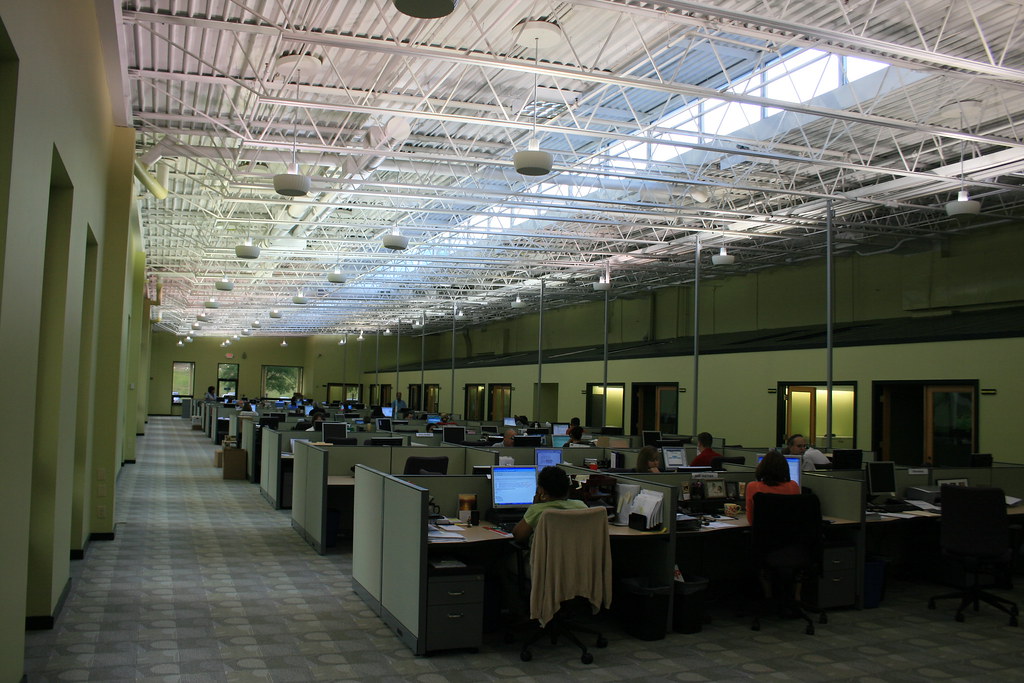
Office furniture is one of the most profitable product categories for Saudi importers, especially as companies expand and co-working spaces multiply under Vision 2030, with major regional headquarters relocating to Riyadh. But it is also one of the most quality-sensitive products to ship: a wobbly chair or a scratched desk means returns and bad reviews that follow your brand. This guide focuses on what makes office furniture different from other imports — where to buy in China, how to avoid common manufacturing defects, and which certificates the Saudi market demands.
Where the best office furniture is made
Do not buy from the first factory you find on a marketplace. Each furniture category has a specialised city in China, and knowing them saves you money while raising quality:
- Foshan, Guangdong province — China's furniture capital and the closest hub to Terrace International's Guangzhou office. Excellent for executive chairs, reception furniture and cabinets.
- Anji, Zhejiang province — the world's "chair capital," specialising in swivel and ergonomic office chairs at competitive prices.
- Guangzhou — premium executive desks and bulk corporate fit-out solutions for furnishing entire offices.
The golden rule: a factory specialised in your category gives you higher quality and a better price than a general factory that makes everything. Avoid middlemen who add 10–20% to the price for a service you do not actually need.
Quality mistakes that cost you a full container
Office furniture combines metal, wood, foam, plastic and moving mechanisms — every element is a potential failure point. Focus your QC on:
- Gas lift cylinder: insist on certified Class 3 or 4 (SGS/BIFMA). Cheap cylinders explode or sink over time and are the number-one cause of returns.
- Foam density: require at least 45 kg/m³ for the seat, or the foam flattens within months in Saudi warehouse heat and loses its shape.
- Melamine and particle board: check for well-sealed PVC edge banding — sea-freight humidity swells untreated edges.
- Chair base: request a reinforced nylon or aluminium base rather than cheap plastic that cracks under weight.
- Assembly test: ask the factory to assemble a random unit in front of your inspector to confirm hole alignment and complete hardware.
Never release the final payment before a pre-shipment inspection report with photos and video. A team on the ground in China means eyes on the production line, not just photos the seller chooses to send.
Certificates and requirements for the Saudi market
Office furniture falls under the SABER platform and the product safety programme (SALEEM). You typically need a Shipment Certificate of Conformity (PCoC) for every shipment before clearance at Jeddah or Dammam port, a Product Certificate of Conformity from an accredited certification body, and test reports for upholstered furniture proving flammability compliance where required. Request technical documents from your supplier early — some small factories have no ready test reports, and this stalls clearance and racks up port demurrage. Also build 15% VAT and customs duty into your final landed cost.
Shipping and quantity planning
Furniture is a "volumetric" product (it fills the container by volume before weight), so think in cubic metres, not kilograms. Practical tips that lift your profit:
- Order furniture knock-down (KD) whenever possible — it roughly doubles the pieces per container and slashes per-unit shipping cost.
- A 40ft high-cube container (40HQ) typically holds 150–250 KD office chairs depending on the model.
- MOQ for chairs is usually 50–100 units per model; for executive desks it can drop to 20–30 units.
- Combine several models in one container to diversify your range without piling up dead stock.
- Order spare cylinders and castors inside the shipment, because Saudi customers expect after-sales service.
Mistakes new importers make
The most common error: approving an excellent sample, then receiving lower-quality production. Protect yourself by keeping a signed (sealed) reference sample and tying the order to matching it. The second mistake: skimping on double-wall corner packaging, which directly determines your breakage rate on arrival. The third: paying the full amount up front; prefer a 30% deposit and 70% after quality inspection and before shipping. Finally, do not ignore the actual dimensions of the pieces — a chair that looks premium in a photo may be smaller than your customer expects.
How Terrace International helps
Terrace International's team is on the ground in Guangzhou, an hour from Foshan's furniture factories. We handle factory visits, price and MOQ negotiation, pre-shipment quality inspection, SABER certification, and shipping all the way to Jeddah or Dammam port. Contact us to build a reliable office-furniture supply chain from your very first order.
Related Articles
Product Import Guides
Importing Tablets and E-Readers from China to Saudi Arabia
Jul 16, 2026

Product Import Guides
Importing Car Dash Cams and In-Car Electronics from China to Saudi Arabia
Jul 14, 2026
Product Import Guides
Importing EV Chargers and Charging Stations from China to Saudi Arabia
Jul 12, 2026