Importing Paper Cup and Tissue Converting Machines from China to Saudi Arabia
Mar 30, 2026
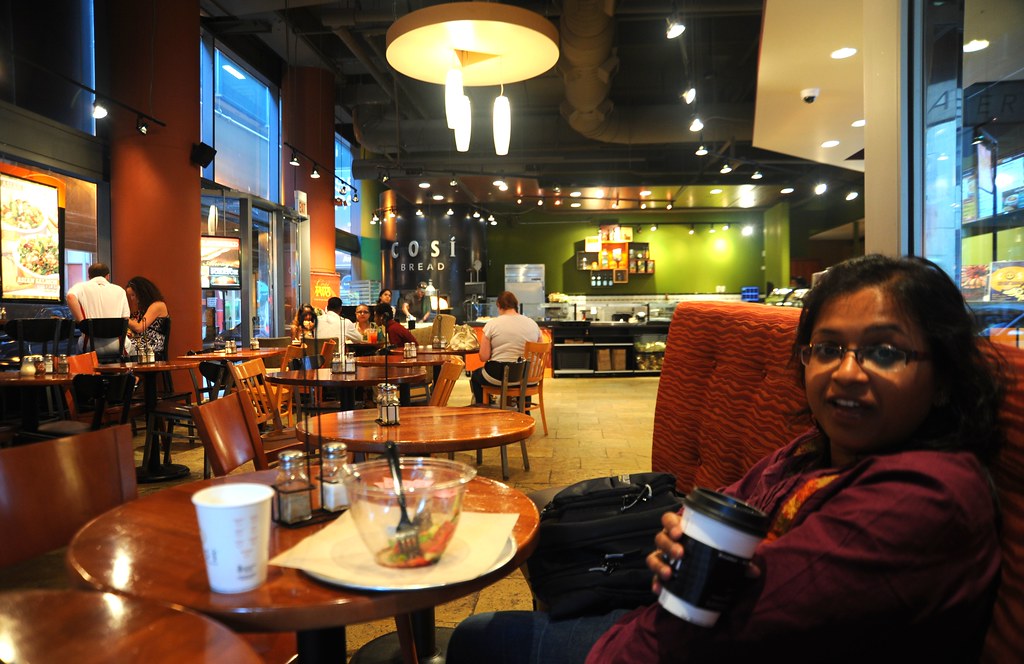
The paper cup and tissue market in Saudi Arabia is a huge, daily-renewing consumer market: cafes, restaurants, and catering companies burn through millions of cups, while tissue products sit in every home, office, and mosque. As the market moves away from single-use plastic, demand for paper cups and packaging is accelerating further. That equation makes a local production line an attractive project with healthy margins — especially because Chinese machinery in this sector is mature, reliable, and priced within reach of entrepreneurs, not just large factories.
Why China for This Sector
China builds the overwhelming majority of the world's paper cup machines, with experience accumulated across thousands of exported lines. Modern mid-speed machines produce a stable 80 to 130 cups per minute, and high-speed models go well beyond. In tissue, Chinese factories offer complete converting lines — cutting, folding, and packing napkins, facial tissues, and rolls — with automation levels to match every budget.
Where the Machines Are Made
- Ruian and Wenzhou (Zhejiang): the world's best-known cluster for paper cup and plate machines and paperboard cutting and printing equipment.
- Foshan (Guangdong): tissue converting and automatic packing lines, an easy inspection trip from Guangzhou.
- Baoding (Hebei): economical tissue converting machinery.
- Shanghai and Jiangsu: high-speed models and advanced packaging lines.
How to Choose Your Machine
Do not be seduced by the maximum speed printed in the catalogue; ask for the stable production speed over a full shift with a reject rate under 2 percent. Define the cup sizes your market actually buys (4 oz for Arabic coffee, 8 and 12 oz for cafes) and check how easily moulds are changed and what an extra mould costs. In tissue, decide whether your converting line will run on jumbo rolls bought locally or imported — that single choice reshapes the whole business case, from working capital to warehouse space and even the sea freight schedule you will need to maintain.
Pre-Shipment Checks
- A continuous run of at least two hours on the same PE-coated paper you will actually use, with the reject rate measured.
- Cup-bottom sealing inspection and a hot-water leak test.
- Brands of the sensitive parts: servo motors, inverters, and hot-air or ultrasonic sealing units.
- Electrical compatibility with 380V / 60Hz and availability of consumable spares.
Requirements and Customs
The machines fall under SABER conformity with a shipment certificate per consignment. More important still, your finished product — cups and tissues — is a food-contact or personal-hygiene product subject to Saudi requirements and GSO standards, so the paper stock and inks must be certified food-grade and your factory properly licensed. Customs duty on the machinery is approximately 5 percent plus 15 percent VAT, with possible duty exemption for industrial license holders. Sea freight to Jeddah Islamic Port or Dammam takes approximately 18 to 30 days.
Costs and Realistic Output
- Mid-speed cup machine (80 to 100 cups per minute): approximately USD 16,000 to 35,000.
- High-speed machine with automatic collection: approximately USD 40,000 to 80,000.
- Facial tissue converting line with packing: approximately USD 32,000 to 95,000 depending on lanes and automation.
- Budget roughly 10 percent of line value for extra moulds, spares, and the first paper stock.
The golden rule: buy the machine on its documented stable speed and reject rate — never on the maximum number printed in the catalogue.
Common Mistakes
The most repeated errors: building the feasibility study on catalogue speed and discovering real output is a third lower, failing to secure a consistent source of PE-coated paper, buying a machine without spare moulds so production stops for weeks at the first breakage, and wiring money to a middleman who disappears. Light manufacturing wins through continuous uptime, and every idle hour eats the margin.
The Terrace International field team in Guangzhou and Shenzhen visits cup and tissue machinery factories for you, compares quotations technically, attends the test run, and manages freight and clearance to your factory door. Talk to us today and take your first step toward your own production line with confidence.
Related Articles
Product Import Guides
Importing Tablets and E-Readers from China to Saudi Arabia
Jul 16, 2026
Product Import Guides
Importing Car Dash Cams and In-Car Electronics from China to Saudi Arabia
Jul 14, 2026
Product Import Guides
Importing EV Chargers and Charging Stations from China to Saudi Arabia
Jul 12, 2026