Importing Pet Products & Supplies from China
Jun 10, 2026
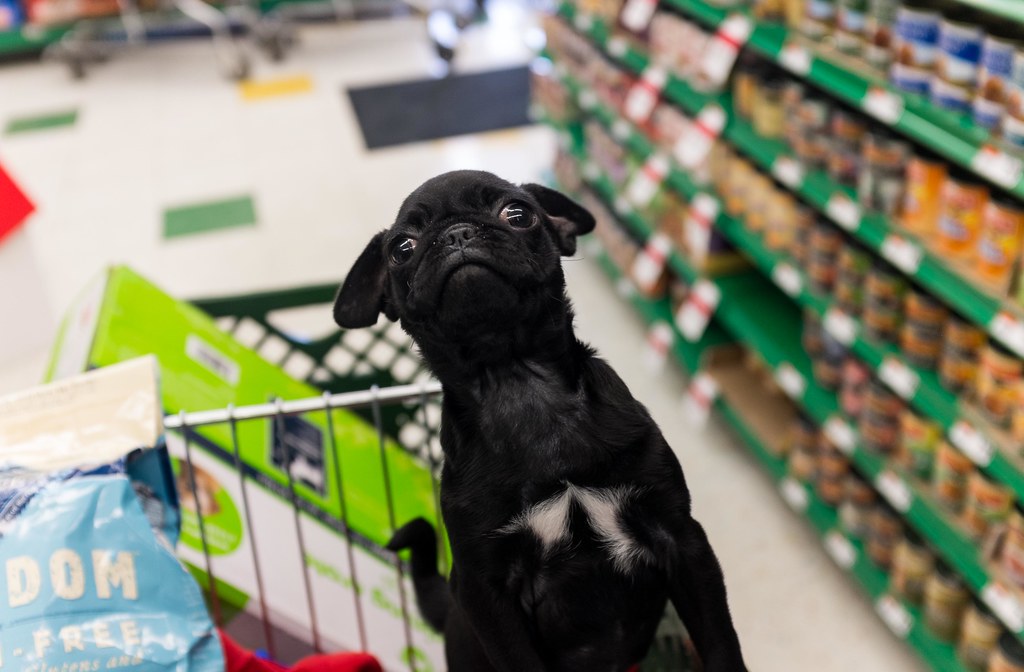
The pet market in Saudi Arabia and the Gulf is seeing remarkable growth as lifestyles shift and ownership of cats, dogs, and birds rises. This shift has created escalating demand for accessories, toys, grooming tools, housing, and feeding bowls. China leads the global manufacturing of this category with enormous variety and competitive prices. But pet products span from low-risk categories to sensitive ones that contact food or the animal's mouth, requiring careful understanding before importing.
Where to source pet supplies in China
The industry is spread across specialized clusters by product type:
- Hebei province and Nangong city: A major hub for pet cages, beds, houses, and sleeping and housing supplies.
- Zhejiang and Yiwu: For pet toys, collars, leashes, feeding bowls, and varied accessories in flexible quantities.
- Guangdong — Dongguan and Shenzhen: For electronic products such as automatic fountains, smart feeders, and electronic pet toys.
- Shanghai and Jiangsu: Strong in grooming supplies, litter, and waste bags.
Knowing these clusters matters because a supplier strong in fabric beds is rarely the best source for electronic feeders, and trying to buy everything from one factory usually means paying a markup on the items outside its specialty. Match each product line to the cluster that genuinely manufactures it.
Category-specific quality pitfalls
The common mistake is assuming pet products are "less important" than human ones — the truth is the opposite, because animals bite and swallow:
- Toys and chews: Must be non-toxic and not break into small pieces the animal could swallow. Request material testing and chew durability.
- Feeding and water bowls: Direct food contact, so insist on grade 304 stainless or BPA-free food-grade plastic/silicone.
- Collars and leashes: Test stitching and buckle strength under tension — failure is a real hazard and a leading cause of returns.
- Electronics (fountains, automatic feeders): Verify battery safety, wire insulation, and water resistance.
- Fabric items: Confirm they are free of toxic dyes and easy to wash, since animals sweat and soil them.
Certifications and regulatory requirements
Here is a very important point: in Saudi Arabia, the SFDA regulates pet food and food-contact pet supplies, and may require registration and special permits before import — especially pet food and feeding bowls. General accessories and toys, meanwhile, pass through the SABER platform with SASO conformity where applicable, and electronic products fall under electrical and battery safety requirements. Verify your product's regulatory classification early, before you order, because pet food specifically follows a completely different regulatory path than accessories.
Shipping, MOQ, and costs
- MOQ: usually 500–2,000 pieces per design; large cages and houses consume volume, so calculate container volume (CBM) precisely.
- Pet products are relatively light but bulky (houses, cages, beds), so cost is calculated by volume not weight — plan to fill the container with a smart mix of large and small items.
- Sea freight is the economical option, with 15% VAT and customs duty added to the final cost.
- For seasonal or fast-moving items, air freight can test the market with small quantities first.
One often-overlooked detail is private labeling. The Gulf pet market is still maturing, which leaves room to build your own brand rather than reselling generic goods. Many Chinese factories offer OEM packaging and logo printing at modest minimums, letting you create a recognizable line of bowls, beds, and toys. A consistent brand earns repeat purchases and shields you from competing purely on price against identical unbranded imports.
Common mistakes
- Confusing the pet-food path (SFDA) with the accessories path (SABER) — two regulatory regimes that are entirely different.
- Neglecting durability of items the animal bites, causing returns and safety complaints.
- Ignoring sizes suited to the local market: pet breeds and sizes common in the Gulf may differ from the Chinese market.
- Ordering a huge range before testing any single item, instead of starting with the most-demanded then scaling.
Pet products touch the animal's mouth and food — treat them with the seriousness of children's products, because your customer loves their pet as a family member.
How Terrace International helps
At Terrace International, our on-the-ground team in China visits Hebei's factories and Guangdong's clusters, inspects toy durability and material safety, and verifies the correct regulatory path for your product between SABER and SFDA before any commitment. We handle negotiation, inspection, and shipping to Jeddah and Dammam so you enter this fast-growing market with confidence and compliant goods. Contact Terrace International to start importing pet supplies professionally.
Related Articles
Product Import Guides
Importing Tablets and E-Readers from China to Saudi Arabia
Jul 16, 2026
Product Import Guides
Importing Car Dash Cams and In-Car Electronics from China to Saudi Arabia
Jul 14, 2026
Product Import Guides
Importing EV Chargers and Charging Stations from China to Saudi Arabia
Jul 12, 2026