Importing Restaurant Tableware and Buffet Equipment from China
May 23, 2026
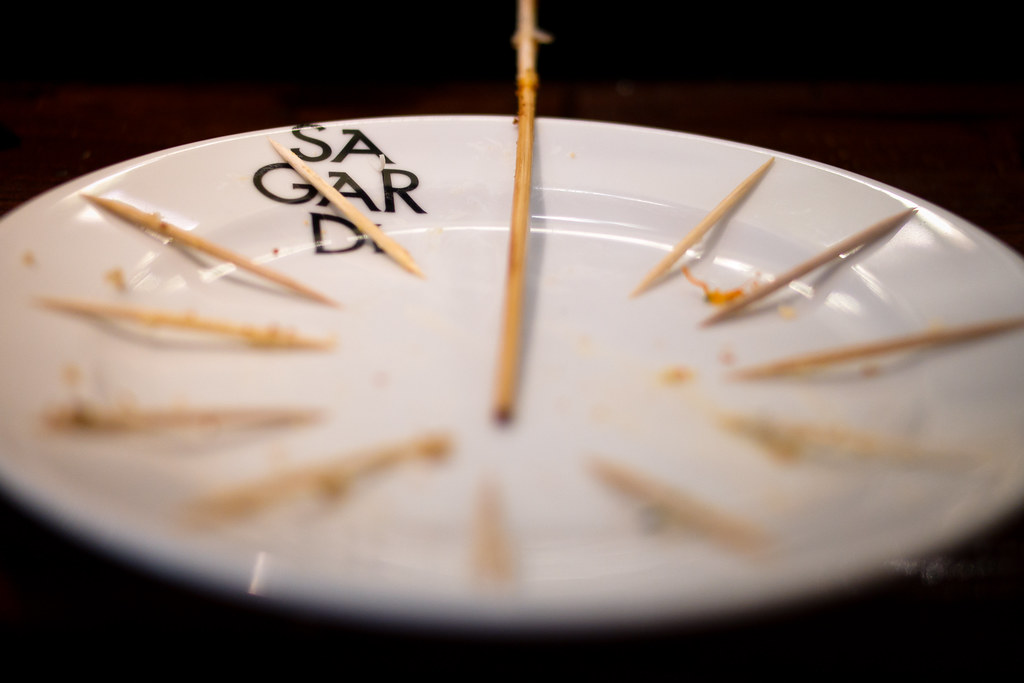
Saudi Arabia's restaurant and cafe sector is among the most active in the region: thousands of new licenses every year, and a premium hospitality concept expanding from restaurants into wedding halls, open buffets, and event catering through the seasons. All of these operations need tableware and buffet display equipment in volume, and they consume and replace it constantly through breakage, scratching, and wear. That makes this one of the best repeat-import lines there is: a restaurant client who trusts your quality reorders every few months, and wedding halls buy by the hundreds, not by the piece.
Why China for This Category
China holds the oldest and largest ceramics manufacturing base in history, alongside a massive modern stainless steel industry. The result: an endless range of tableware at every tier, from reinforced hotel porcelain that survives industrial dishwashers, to commercial melamine, to premium buffet display sets (chafing dishes, serving bowls, front-of-house stations), with your restaurant or wedding-hall logo printable on every piece.
Where It Is Made
- Chaozhou (Guangdong): the capital of ceramics and hotel porcelain; its Fengxi district specialises in restaurant and hotel tableware.
- Jieyang (Guangdong): the stainless steel capital: serving utensils, cutlery, and food pans.
- Guangzhou: the giant hotel and restaurant supply markets where everything sits in one place and you can judge quality by hand, and the ideal consolidation point for mixed containers.
- Jingdezhen (Jiangxi): fine porcelain for upscale projects.
Quality: How to Tell the Grades Apart
- Hotel porcelain: insist on genuine hotel/restaurant grade with reinforced edges; the difference from household porcelain shows up in the breakage rate after one month of service.
- Dishwasher endurance: thousands of industrial wash cycles at high temperature without decoration fading.
- Stainless steel: 304 (18/8) for cutlery and food-contact items; 201 is acceptable only for non-food-contact frames. Demand a material certificate; appearance proves nothing.
- Buffet chafing dishes: body gauge, hinge integrity, and the quality of the heating system (gel fuel, electric, or induction).
- Melamine: pure food-grade A5 only; beware cheap blends that crack and absorb odours.
- Consistency: colour and dimension stability across batches so your dining room stays uniform with every reorder.
Regulatory Requirements and Customs
- Food-contact material safety: tableware falls under SFDA and Gulf food-contact standards, particularly lead and cadmium migration from ceramic decoration; request accredited test reports for every collection.
- Electric buffet equipment (warmers, heated holding units) needs SABER conformity at 220-230V, 60Hz.
- Customs duty is approximately 5% depending on HS code, plus 15% VAT on goods and freight.
Pricing, MOQs, and Shipping
- Hotel porcelain plate: approximately USD 1-4 depending on size and grade.
- Stainless cutlery set (fork, knife, spoon): approximately USD 1.3-5.5 depending on gauge and finish.
- Buffet chafing dish: approximately USD 40-160 depending on material and heating system.
- MOQ: porcelain typically 500-2,000 pieces per model, stainless 300-1,000; lower quantities are possible from Guangzhou's ready-stock markets at slightly higher prices.
- Shipping: sea freight, roughly 18-30 days to Jeddah Islamic Port or King Abdulaziz Port in Dammam. Packaging is critical for ceramics: foam separators, reinforced cartons, and correct weight distribution in the container, with an agreed written breakage allowance and compensation clause.
Common Mistakes
The most expensive: buying cheap household porcelain for a hard-running restaurant and watching it chip within weeks; disguised 201 stainless that rusts after the first heavy wash season; skipping metal-migration reports for coloured decoration; leaving breakage out of the contract and absorbing transit losses alone; and buying a collection that cannot be reordered later, losing uniformity as you expand.
Golden rule: a restaurant does not buy plates, it buys a low breakage rate and a repeatable supply. Choose models stable in the factory's production line, not end-of-season collections.
The Terrace International field team in Guangzhou and Shenzhen walks Chaozhou's kilns, Jieyang's stainless plants, and Guangzhou's hotelware markets on your behalf: we verify grade and material, negotiate prices and breakage clauses, and manage inspection, freight, and clearance to your warehouse. Contact us and equip your restaurant or catering project with quality that lasts.
Related Articles
Product Import Guides
Importing Tablets and E-Readers from China to Saudi Arabia
Jul 16, 2026
Product Import Guides
Importing Car Dash Cams and In-Car Electronics from China to Saudi Arabia
Jul 14, 2026
Product Import Guides
Importing EV Chargers and Charging Stations from China to Saudi Arabia
Jul 12, 2026