Importing Robot Vacuum Cleaners from China to Saudi Arabia: The Smart Trader's Guide
Jun 22, 2026
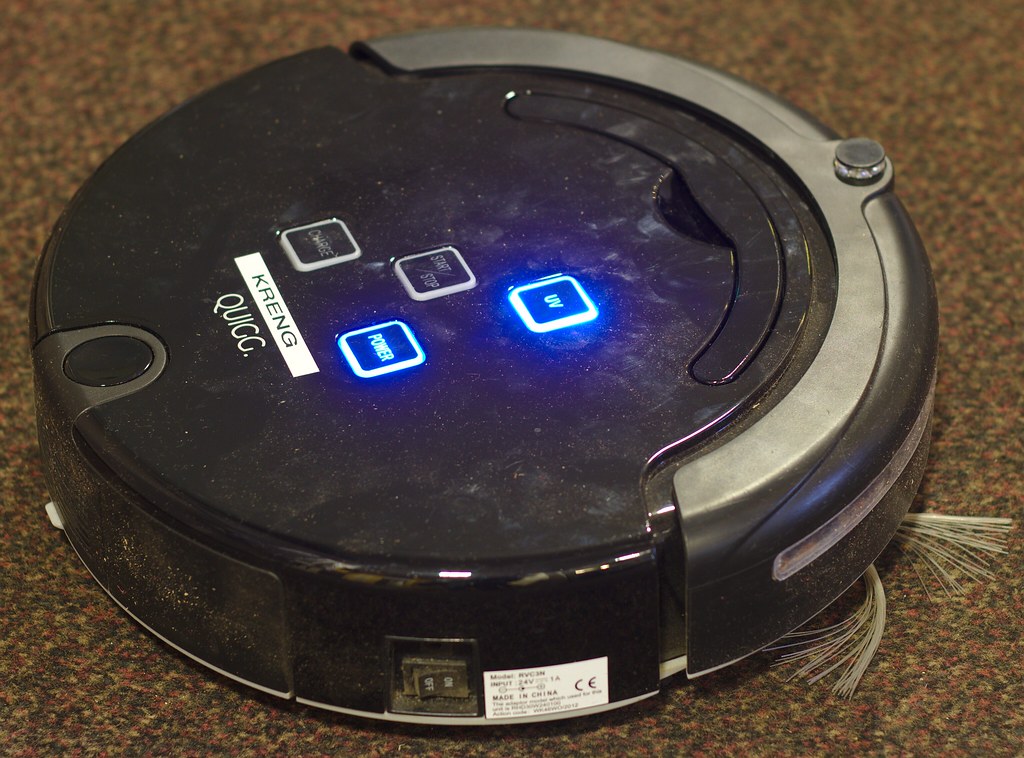
Robot vacuums are one of the fastest-growing home-appliance categories in Saudi Arabia and the Gulf. Large homes, the spread of smart-home culture, and the rising value of time in working households all push demand strongly. While global brands dominate the premium tier, the mid-range and budget segments remain wide open for importers who know how to choose a reliable factory and a specification suited to Gulf homes: big floor areas, fine recurring dust, and thick majlis carpets. Picked well, this category delivers both healthy unit margins and a recurring revenue stream from consumables.
Why China for This Category
China manufactures the overwhelming majority of the world's robot vacuums, including many units sold under famous international brands. The industry concentrates in Shenzhen, home of the electronics supply chain behind laser LDS navigation modules and cameras, and in Suzhou and Dongguan, where the large assembly lines and specialized motor and battery suppliers operate. In practice, this means you can source a laser-mapping robot with a mobile app and voice control at an ex-factory price close to a third of the retail price of global brands — with your own logo on the shell and an Arabic-localized app, if you choose the right ODM partner.
Where to Source and How to Verify
Target specialized ODM factories that develop the whole platform in-house — navigation, app, and motor — rather than assemblers bolting together bought-in parts. Order samples and test them in conditions that mimic a Saudi home: thick carpet, door thresholds, fine dust. Measure real suction in pascals, true battery runtime, and mapping accuracy across a large area. Confirm the app genuinely supports Arabic and runs smoothly on Gulf networks, and ask hard questions about firmware update policy, because a robot without software support is commercially dead within a year. A factory visit or third-party audit separates real manufacturers from traders faster than any video call.
The Most Common Quality Pitfalls
- Suction figures inflated on paper that measure barely half the claim in practice.
- Low-grade lithium batteries that degrade quickly in Gulf summer heat.
- Weak cliff and collision sensors that leave the robot stuck or falling down stairs.
- Brushes and mops that cannot cope with the thick carpets common in majlis rooms.
- Apps without proper Arabic localization, or slow servers that ruin the daily experience.
Certifications and Customs Notes
A robot vacuum is a smart electrical appliance, so it needs a certificate of conformity under the applicable SASO technical regulations and registration on the SABER platform. Because it connects over Wi-Fi and Bluetooth, it also requires approval from the Communications, Space and Technology Commission (CST) for radio equipment. The lithium battery must carry documented test certification for transport, and the charger must be rated 220V/60Hz with the correct Saudi plug. Prepare this file before production starts, not after — one missing certificate can hold your entire shipment at the port. On clearance, budget customs duty of approximately 5% plus 15% VAT on the CIF value.
Costs, MOQs, and Lead Times
Approximate ex-factory pricing: budget random-navigation models USD 40 to 70, laser-mapping models with app control USD 80 to 160, and advanced models with self-empty docks USD 180 to 350. MOQs typically run 100 to 500 units depending on the factory and the level of customization; logo printing and Arabic packaging usually require the higher end. Production takes roughly 20 to 35 days, then sea freight from Shenzhen to Jeddah Islamic Port or King Abdulaziz Port in Dammam adds approximately 18 to 30 days. Order consumable spares — filters, side brushes, mop cloths — with the first shipment, both to serve warranty claims and to build an excellent recurring-revenue line with strong margins.
Common Mistakes Importers Make
The most damaging: importing without CST approval and having the goods held at customs, never testing the Arabic app experience before committing, chasing the lowest price and receiving robots with blind sensors and weak motors, skipping spare parts in the first order, and relying on factory photos instead of a physical random-sample inspection before paying the final balance. Any of these can flip a profitable container into a loss.
The golden rule: test the robot in a real Saudi home before booking the container — thick carpet and fine dust expose everything the catalog hides.
The Terrace International field team in Guangzhou and Shenzhen stands on the factory floor on your behalf: supplier selection, negotiation, pre-shipment inspection, and full management of SASO, SABER, and CST approvals until you receive the goods. Reach out and bring your robot vacuums to market with no surprises.
Related Articles
Product Import Guides
Importing Tablets and E-Readers from China to Saudi Arabia
Jul 16, 2026
Product Import Guides
Importing Car Dash Cams and In-Car Electronics from China to Saudi Arabia
Jul 14, 2026
Product Import Guides
Importing EV Chargers and Charging Stations from China to Saudi Arabia
Jul 12, 2026