Importing Industrial Safety Equipment & PPE from China
Jun 13, 2026
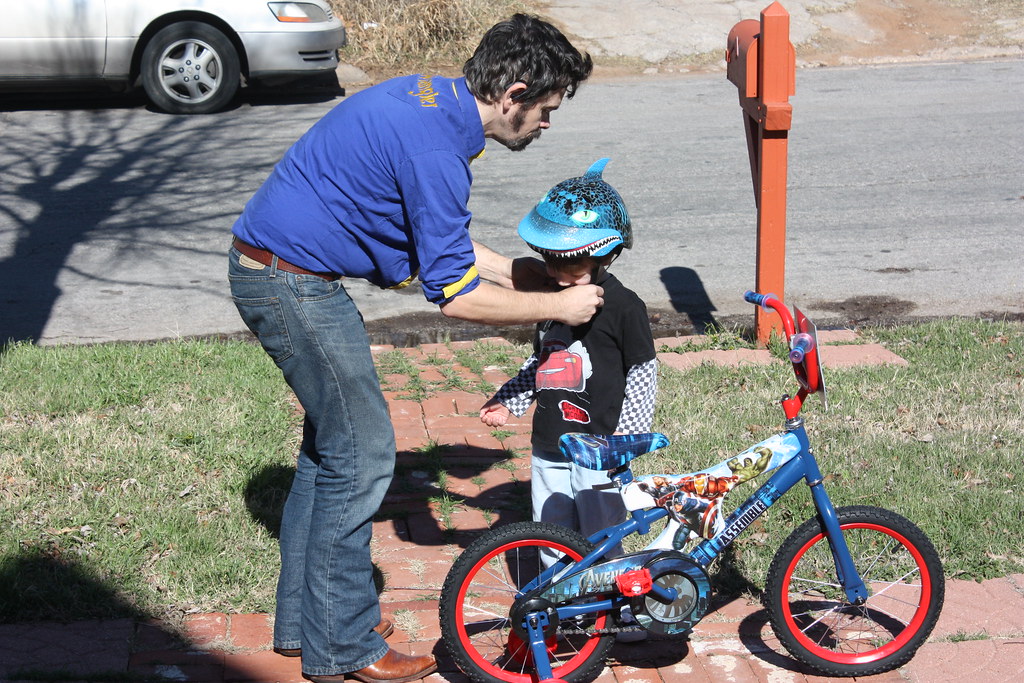
Personal protective equipment (PPE) and industrial safety gear are non-negotiable across Saudi Arabia's construction, oil and gas, and manufacturing sectors — and demand keeps climbing as mega-projects such as NEOM, The Line, and the Red Sea developments enforce strict site-safety standards. China manufactures the overwhelming majority of the world's PPE, but bringing it into the Kingdom means navigating specific technical regulations that will reject a non-compliant shipment at the port. This guide walks Gulf importers through the essentials, from product categories and factory clusters to certification and landed cost.
Why source PPE from China
China holds a fully integrated supply chain for safety products: polycarbonate for visors, nitrile and latex for gloves, polyethylene for helmets, steel and composite toe caps for footwear — all produced within one ecosystem. That integration delivers factory (FOB) prices no other market can match, plus genuine flexibility on customisation: your own logo, corporate colours, Arabic labels, and packaging built for the Gulf. Nitrile gloves can start around USD 3–6 per box at volume, a hard hat from USD 1.5–4, and certified safety boots from USD 8–18 a pair, leaving healthy margin after freight and duties. For distributors supplying contractors, that margin is the difference between winning a tender and losing it.
Main product categories
- Head protection: safety helmets and hard hats (referenced to EN 397 or ANSI Z89.1).
- Foot protection: safety shoes and boots with steel or composite toe caps (EN ISO 20345, grades S1 to S3).
- Hand protection: cut-resistant, nitrile, and leather gloves (EN 388 for mechanical risks, EN 374 for chemicals).
- Eye and face protection: goggles, spectacles, and face shields (EN 166).
- Respiratory protection: dust masks and FFP2/FFP3 disposable respirators (EN 149), plus half-masks and cartridges.
- High-visibility clothing: vests and jackets (EN ISO 20471).
- Fall protection, hearing protection, and coveralls for the oil, gas, and construction trades.
Where to buy inside China
Do not buy at random from generic wholesale platforms. Safety footwear and workwear are concentrated in Jiangsu, Shandong, and Guangdong; industrial gloves cluster around Gaomi and Linyi in Shandong; disposable masks and respirators are dominated by Xiantao in Hubei — China's mask capital — and Henan. Helmets and hardware are strong in Zhejiang, and Yiwu is convenient for consolidating mixed small-PPE orders. Choosing a factory inside the right cluster means deeper expertise, better raw materials, easier access to spare parts, and a higher quality baseline than a generic trader can offer.
Quality pitfalls specific to PPE
Because this equipment protects human life, counterfeits are genuinely dangerous. Verify the real filtration efficiency of respirators — a true FFP2 or KN95 filters 94–95% — and insist on accredited lab reports; the market was flooded with fakes after 2020. For safety shoes, confirm the toe cap withstands the 200-joule impact and compression test and that the midsole is puncture resistant. For helmets, check impact absorption and the manufacture and expiry dates, since polymers degrade under UV. Above all, beware the counterfeit CE mark: the lookalike "China Export" logo is not a conformity mark and carries no test evidence.
SASO, SABER, and required certification
PPE falls under the Saudi Technical Regulation for Personal Protective Equipment. Products must be registered on the SABER platform and obtain a Product Certificate of Conformity (PCoC) followed by a Shipment Certificate of Conformity (SCoC); most categories require third-party testing against the referenced EN or ISO standards. Note the split: medical-grade PPE — surgical masks and medical examination gloves — falls under the SFDA as a medical device and needs separate registration, not just SASO. Arabic labelling and instructions are mandatory. Aramco, SABIC, and major EPC contractors also impose their own approved-vendor lists and standard references, so always match the end client's specification before you order.
Shipping, MOQ, and landed cost
Minimum orders typically run 500–1,000 pieces per item or a mixed 20-foot container. Sea freight from Shenzhen, Ningbo, or Qingdao to Jeddah takes about 22–35 days. Build into your landed cost the 15% VAT, customs duty (usually around 5%), and SABER plus clearance fees. Helmets and coveralls are light but bulky, so optimise packaging to control the volumetric weight that drives freight, while gloves and masks ship dense and cheap. For a first order, budget a little extra time for SABER registration so certification does not delay clearance at Jeddah or Dammam.
Common mistakes to avoid
- Trusting a CE logo printed on the carton without an accredited test report behind it.
- Ordering respirators or masks without lab-verified filtration efficiency.
- Overlooking SFDA registration for medical-grade masks and gloves.
- Skipping a pre-shipment AQL inspection on life-critical equipment.
With safety equipment, an independent in-factory inspection is not a cost — it is the cheapest liability insurance you will ever buy.
At Terrace International, our on-the-ground team in Guangzhou visits verified PPE factories, checks certification against the exact standard your project demands, runs pre-shipment inspections, and manages your SABER and SFDA registration until your container clears Jeddah or Dammam. With offices in Riyadh and Guangzhou, we help you import safety gear you can actually trust. Contact Terrace to source PPE the right way.
Related Articles
Product Import Guides
Importing Tablets and E-Readers from China to Saudi Arabia
Jul 16, 2026
Product Import Guides
Importing Car Dash Cams and In-Car Electronics from China to Saudi Arabia
Jul 14, 2026
Product Import Guides
Importing EV Chargers and Charging Stations from China to Saudi Arabia
Jul 12, 2026