Importing Salon & Barber Equipment from China to Saudi Arabia
Jun 17, 2026
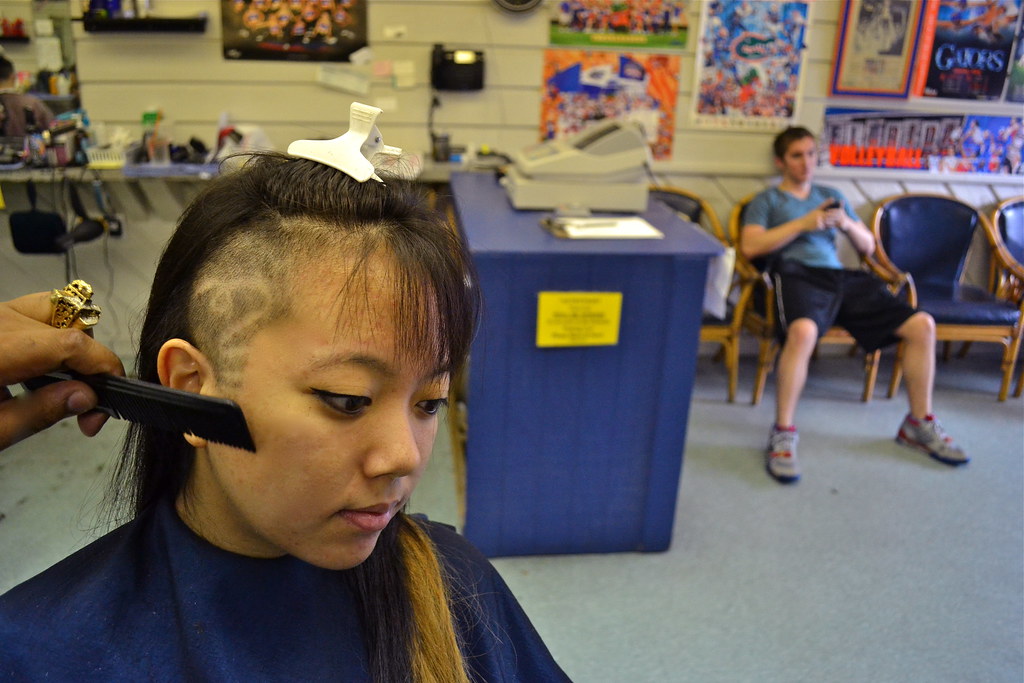
Saudi Arabia's grooming economy is booming, from high-end unisex salons in Riyadh to busy neighbourhood barbershops in Jeddah and Dammam. Behind almost every styling chair, wash unit and clipper on the market sits a manufacturing base in China. Sourcing directly can cut costs by 30 to 50 percent versus buying through local re-sellers, but only if you know the clusters, the certificates and the quality traps.
Why import salon equipment from China
China produces the overwhelming majority of the world's salon furniture, hydraulic barber chairs, shampoo backwash units, styling stations and electric clippers. The advantage is not only price but the breadth of choice and the factories' ability to customise.
- Lower cost: A solid hydraulic barber chair starts at 80 to 250 USD FOB, a fraction of local retail.
- Brand customisation: Print your logo, choose upholstery colours and specify the grade of synthetic leather.
- Range of tiers: From economy fit-outs for local shops to premium ranges for specialist salons.
Where in China to source
Knowing the right cluster removes middlemen and raises product quality.
Foshan and Guangzhou (Guangdong)
The heartland of salon furniture, hydraulic barber chairs and backwash units. Large factories here can fit out an entire salon from a single supplier.
Wenzhou and Ningbo (Zhejiang)
The hub for small electricals: clippers, trimmers, dryers and heated styling tools. A good clipper starts at 8 to 25 USD.
Certification: SABER, SASO and SFDA
No shipment containing electricals clears customs without a Certificate of Conformity issued through the SABER platform under SASO's electrical safety regulations.
- SASO/SABER: Mandatory for every electrical device. Ask the factory for a valid IEC test report before shipping.
- Voltage: Confirm units run on 220V, 60Hz with the Saudi plug type.
- SFDA: Some skin-contact or sterilisation devices may need SFDA registration; check the classification early.
Quality control pitfalls
The most common complaints recur at specific, inspectable points.
- Hydraulic pump: Cheap pumps lose lift within months; demand a warranted pump and load testing.
- Chrome plating: Thin plating rusts fast in humid coastal cities.
- Upholstery: Low-grade synthetic leather cracks under heavy use and air-conditioning.
- Clipper motors: Check battery life, motor heat and blade stability.
The best safeguard is a third-party pre-shipment inspection on a sample of every model.
Shipping, MOQ and cost
Bulky furniture such as barber chairs eats volume, so sea freight by container from Guangzhou or Shenzhen to Jeddah Islamic Port or King Abdulaziz Port in Dammam is the norm.
- MOQ: Factories may accept small chair orders, but economics work best with a 20 or 40 foot container.
- Total landed cost: Factor factory price plus sea freight, insurance, customs and 15 percent VAT via ZATCA.
- Consolidation: Mix chairs, mirrors and clippers in one container to lower per-unit cost.
Common mistakes to avoid
- Relying on catalogue photos without ordering a physical sample.
- Ignoring SABER until the shipment arrives, causing it to be held at port.
- Failing to document voltage and upholstery specs in the purchase contract.
- Overlooking spare parts and after-sales service.
Successful salon-equipment importing is not about the cheapest quote; it is disciplined management of quality, compliance and logistics. This is where our presence on the ground makes the difference. Terrace International sits in Guangzhou with a supporting office in Riyadh, handling factory audits, negotiation, pre-shipment inspection, SABER certification and customs clearance right to your warehouse door. Talk to us to fit out your salon or supply your distribution line with full confidence.
Related Articles
Product Import Guides
Importing Tablets and E-Readers from China to Saudi Arabia
Jul 16, 2026
Product Import Guides
Importing Car Dash Cams and In-Car Electronics from China to Saudi Arabia
Jul 14, 2026
Product Import Guides
Importing EV Chargers and Charging Stations from China to Saudi Arabia
Jul 12, 2026