Importing Sanitaryware & Bathroom Fittings from China
May 08, 2026
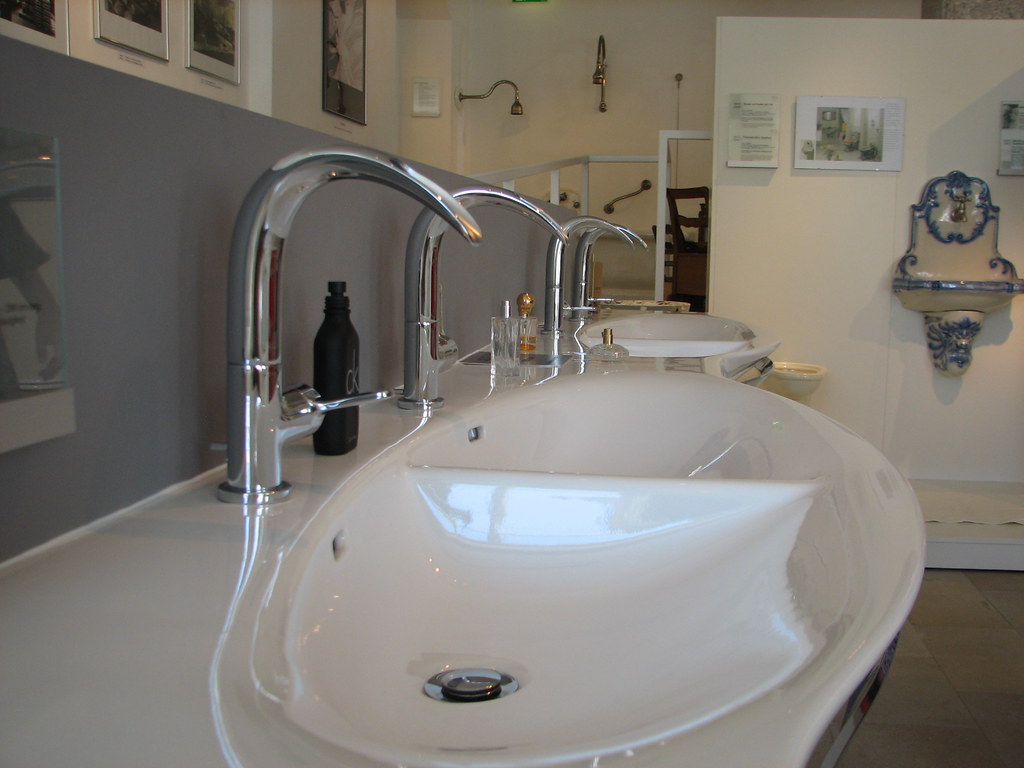
Sanitaryware combines two challenges that rarely meet in one product: heavy, brittle ceramic (toilets and basins) and precise metalwork under water pressure (faucets and valves). A mistake in either does not show in the showroom; it shows as a leak in your customer's bathroom months later, or as a crack in a toilet broken in transit. And in Saudi Arabia specifically, water is a precious resource, and water-use efficiency has become a regulatory requirement, not an option.
Why Import Sanitaryware from China
China manufactures a vast spectrum of sanitaryware, from economy to pieces that rival European brands, at a large price gap. It excels in complete suites (toilet + basin + faucets + accessories) in a unified design, and in the ability to private-label with your own brand. For building-material traders and contractors in the Gulf, that means a healthy margin with variety covering every price tier.
Where to Buy in China
- Chaozhou, Guangdong: China's sanitary-ceramics capital. A global hub for toilets, basins and complete bathroom suites.
- Kaiping and Heshan, Guangdong: the "faucet capital," a massive hub for brass bath and kitchen taps and fittings.
- Foshan: strong in bathroom cabinets, mirrors, acrylic bathtubs and shower enclosures.
Inspection: Ceramic and Metal Together
Inspect each part by its own standard:
- Faucet material: demand full-body brass, not the cheap zamak (zinc alloy) that corrodes and cracks. A simple magnet helps with a first-pass check. Chrome must be tightly plated without flaking.
- Cartridge: demand a 35–40 mm ceramic cartridge from a trusted supplier, as it determines the faucet's lifespan and drip resistance.
- Sanitary ceramic: smooth, even glaze with no pores or specks; test the flushing system with actual water; and check it seats firmly on the floor without wobble.
- Water efficiency: verify faucet flow rate (preferably ≤ 6 L/min) and toilet cistern capacity (dual-flush 3/6 L). This is not a luxury but a Saudi requirement.
- Hidden accessories: fill valves, siphons, soft-close toilet seats, which are the most neglected and the most likely to fail.
Certification and Compliance (Water Efficiency Is Central)
Sanitaryware faces dual oversight in Saudi Arabia:
- Conformity via SABER: PCoC then SCoC, mandatory before clearance.
- Water efficiency: faucets, toilets and showers fall under Saudi water-use efficiency standards and need a water-efficiency label. A product exceeding the permitted flow limit can be rejected, so confirm the factory manufactures to Saudi limits, not just its own country's standards.
- Any faucet with an electrical component (instant heaters, electronic bidets) triggers additional electrical requirements.
Confirm the product model is registered and the water-efficiency label is valid before shipping. Fixing compliance after the container arrives is costly and delays clearance.
Shipping and Breakage-Proof Packaging
The challenge here is compound: ceramic is heavy and brittle, while faucets are small, valuable and prone to theft and damage. Specific points:
- Sanitary ceramic is heavy (like tile), so you may hit the weight limit before the container fills. Each piece needs an individual box with molded foam, and corner and neck breakage is most common.
- Faucets are small but valuable, loaded in tight master cartons. Verify the count, as shortages are common.
- Distribute weight in the container: heavy ceramic on the bottom, light cabinets and accessories on top.
- Request desiccants to protect chrome and metal parts from staining during the humid sea voyage.
The usual gateways are Jeddah Islamic Port and King Abdulaziz Port in Dammam, around 30–40 days.
MOQ, Cost and Common Mistakes
Minimums vary by category: toilets are often by the container, faucets may start at 500–1,000 units per model. The most common mistakes: focusing on the faucet's looks without checking its internal material, ignoring the water-efficiency label so the shipment is held, not testing the flushing system, and forgetting to order spare cartridges and accessories that wear out first. Factor 15% VAT and duties into your pricing.
Suite Matching, Spares and Warranty
White is not one color: a toilet, basin and bathtub from different factories often clash in shade under bathroom lighting. Buy the full suite from one maker, or at least match the white tone across pieces in person. Stock fast-wearing spares with every order, cartridges, flush valves, fill valves and soft-close seat hinges, since these fail years before the ceramic and are agony to source piecemeal. Negotiate a written warranty on cartridges and chrome plating, and confirm rough-in dimensions (such as the toilet's S-trap or P-trap spacing) match Saudi plumbing before you commit to a container.
At Terrace International our team visits factories in Chaozhou and Kaiping, inspects brass quality, cartridge, flushing system and water efficiency on the ground, and ensures individual packaging and proper weight distribution while clearing SABER and the water-efficiency label before shipment. Contact us to import sanitaryware that clears customs safely and never leaks in your customers' bathrooms.
Related Articles
Product Import Guides
Importing Tablets and E-Readers from China to Saudi Arabia
Jul 16, 2026

Product Import Guides
Importing Car Dash Cams and In-Car Electronics from China to Saudi Arabia
Jul 14, 2026
Product Import Guides
Importing EV Chargers and Charging Stations from China to Saudi Arabia
Jul 12, 2026