Importing Scented Candles & Home Fragrance from China to Saudi Arabia
Apr 10, 2026
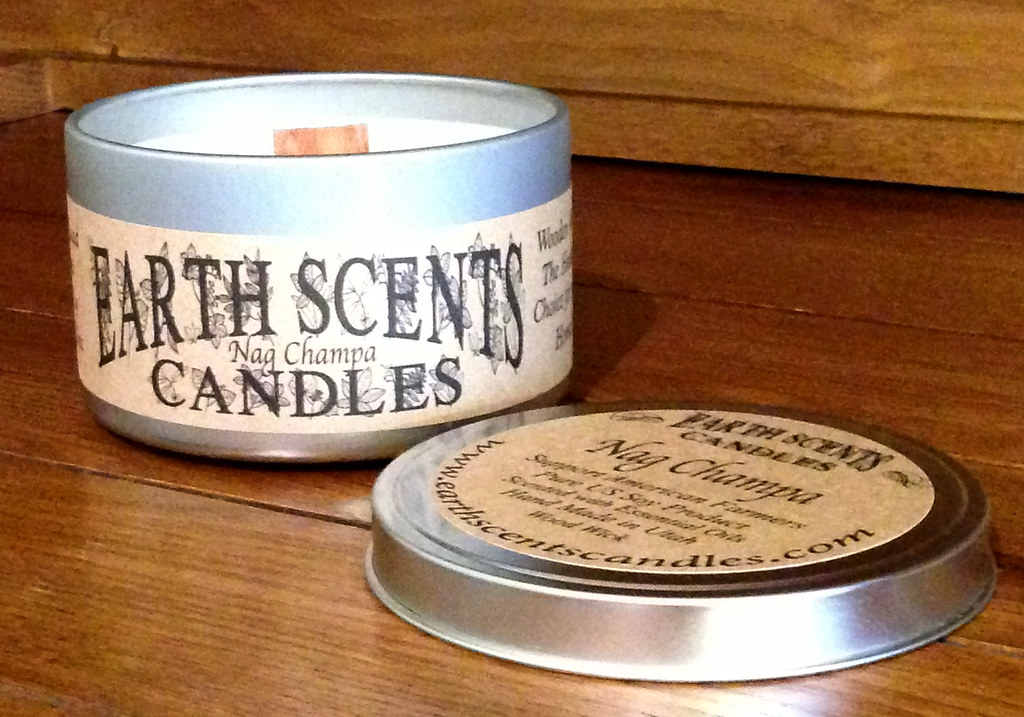
Scented candles and home fragrance are a fast-growing category in Saudi Arabia and the Gulf, driven by a strong hospitality culture, attention to the ambience of the home, and the link between scent, occasions, and relaxation. From candles in glass jars to reed diffusers and wax melts, the product range keeps widening, and China offers it at prices and variety that give retailers attractive margins, though it is a category that demands special attention to safety and shipping.
Why import from China?
China owns an integrated ecosystem for candles and fragrance: from wax (soy, paraffin), wicks, and fragrance oils to glass jars, lids, and packaging. This integration lowers cost and gives you flexibility to design a private label and choose scents and a look that suit a Gulf market focused on luxury and detail.
Where to buy inside China
Yiwu and Guangzhou: range and packaging
The Yiwu and Guangzhou markets are ideal for building a complete range of candles, diffusers, jars, and accessories, with flexible MOQs and enormous variety in design.
Shandong: the major candle factories
Shandong province, especially around Qingdao, is one of China's largest candle manufacturing and export hubs, and the best choice for large orders and private labels at direct factory prices.
The most common quality pitfalls
Candle quality is measured by a burn test. Always request samples and run a full burn test to confirm the absence of black soot, no tunnelling that leaves wax on the walls, a stable flame, and real scent throw in the room. Make sure the fragrance load is sufficient, and that the wick is lead-free and firmly centred.
With glass jars, check that the glass withstands heat without cracking, and with reed diffusers confirm a tight seal to prevent oil leaking in transit. Also ensure scents comply with IFRA safety standards and that the supplier provides a Material Safety Data Sheet (MSDS) for each fragrance.
Certifications, compliance and dangerous-goods shipping
These products require a SABER certificate of conformity against the relevant SASO standards for clearance at Jeddah and Dammam. The most important and most overlooked point is that fragrance oils and reed diffusers are often classified as dangerous goods due to flammability, which requires an MSDS, a flashpoint classification, and special shipping documentation. Solid candles are less sensitive but remain flammable materials subject to customs scrutiny. Ignoring these requirements is the number-one cause of held shipments in this category.
Shipping, MOQ and costs
Candles ship by sea without major issues, but reed diffusers and oils need dangerous-goods handling and paperwork, so plan for them early with a freight agent experienced in this category. Bear in mind that high heat inside containers can soften wax on long voyages, so choose wax with a suitable melt point and packing that protects the shape. MOQs start at small quantities for stock items in Yiwu, while private label typically starts from 500 to 1,000 pieces.
Fold the 15% VAT, SABER fees, and the additional dangerous-goods freight cost for oils and diffusers into your final landed cost to reach realistic pricing that protects your profit.
Mistakes to avoid
- Ignoring the dangerous-goods classification for oils and diffusers and being surprised by a held shipment.
- Judging scent cold without running a full burn test.
- Neglecting the seal on oil bottles so they leak in transit.
- Choosing wax with a low melt point that softens in container and warehouse heat.
At Terrace International, our on-the-ground team in Guangzhou visits the candle factories in Yiwu and Shandong, runs burn and scent tests, verifies IFRA compliance and MSDS sheets, and manages dangerous-goods shipping and clearance to Saudi ports safely. Talk to us to import a luxurious, safe candle and home-fragrance range that sells with confidence.
Related Articles

Product Import Guides
Importing Tablets and E-Readers from China to Saudi Arabia
Jul 16, 2026
Product Import Guides
Importing Car Dash Cams and In-Car Electronics from China to Saudi Arabia
Jul 14, 2026
Product Import Guides
Importing EV Chargers and Charging Stations from China to Saudi Arabia
Jul 12, 2026