Importing School Furniture and Supplies from China to Saudi Arabia
Apr 29, 2026
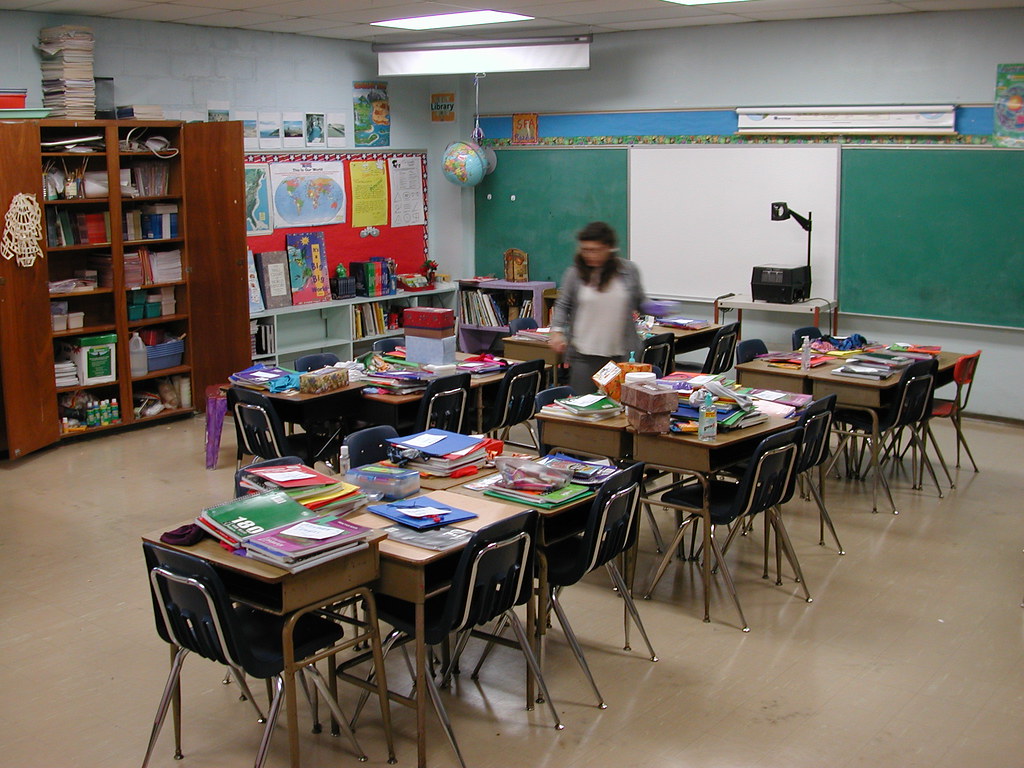
Private and international education in Saudi Arabia expands year after year, driven by population growth and deliberate encouragement of private-school investment under the Kingdom's targets for raising private education's share. Every new school means hundreds of desks and chairs, dozens of classrooms with whiteboards and storage, plus laboratories, libraries, and activity halls. The opportunity cuts both ways: a school owner who imports fit-out directly saves a serious slice of the establishment budget, while an educational equipment trader finds public and private demand renewing every summer before the school year. China manufactures the largest share of the world's school furniture — you just need to know how to buy it right.
The Product Map
- Classroom furniture: single and double desks with height adjustment, and chairs sized by school stage.
- Boards: magnetic whiteboards, interactive boards, and smart teaching screens.
- Storage: metal student lockers, classroom cabinets, and library shelving.
- Laboratories: chemical-resistant lab benches, high stools, and safety cabinets.
- Facilities: library and meeting furniture, auditorium and sports seating, and canteen tables.
- Kindergarten: colourful furniture with safe edges, educational toys, and rubber flooring.
Where School Furniture Is Made in China
- Luoyang (Henan): the steel furniture capital — student lockers and metal frames at unbeatable prices.
- Foshan and Guangzhou (Guangdong): classroom and library furniture with higher finishes, and the base for consolidating mixed containers.
- Zhejiang and Jiangsu: moulded plastic seats and high-volume plastic-metal combination furniture.
- Hebei: economy school furniture factories for price-sensitive tenders.
Quality Specifications That Protect Your Reputation
- Steel tube thickness: the difference between a desk that serves ten years and one that wobbles within a term is tube gauge and weld quality — put the thicknesses in the contract.
- Virgin PP plastic, not over-recycled material: poor plastic cracks under students' rough daily use.
- Edge safety: rounded corners and smooth edges, especially for lower grades and kindergarten.
- Low-emission materials: for wooden surfaces demand boards with a documented low formaldehyde emission class backed by test reports — this is an enclosed children's environment.
- Age-based heights: adopt a size chart per school stage instead of one size for everyone.
- Colour fastness: powder coating and UV-resistant materials for furniture near windows and courtyards.
Approve one finished sample set per item before mass production, and inspect the batch against it before loading — with hundreds of identical units, a single specification error multiplies by the whole order.
Certification and Customs
School furniture generally clears under standard conformity procedures, and you should verify SABER registration requirements per item classification, while interactive screens, smart boards, and any electrical devices fall under SASO electrical regulations with mandatory conformity certificates before shipping. Schools themselves are subject to Ministry of Education and Civil Defense requirements for buildings and fit-out, so material and emission test reports strengthen your file with every authority. Add customs duty of roughly 5% and 15% VAT when pricing.
Realistic Costs and Quantities
- Student desk and chair set: approximately USD 16–50 ex-factory depending on material and stage.
- Plastic classroom chair on metal frame: approximately USD 7–20.
- Large magnetic whiteboard: approximately USD 27–80.
- Interactive teaching screen, 65–86 inch: approximately USD 670–2,400.
- Multi-door metal locker unit: approximately USD 80–210.
- Chemical-resistant lab bench: approximately USD 210–670.
MOQs typically run 100–500 sets for classroom lines and lower for labs and libraries. A complete 20-classroom school usually fills one 40-foot container or two. Sea freight to Jeddah Islamic Port or King Abdulaziz Port in Dammam takes approximately 18–30 days — plan arrival at least three months before the school year starts to absorb any delay.
Common Mistakes
The most common: buying from photos and receiving thinner tube than agreed, ignoring the age-size chart so desks arrive wrong for the grade, skipping emission reports on wooden surfaces, compressing the timeline until the opening season is missed, forgetting spare parts (feet, castors, hinges) in the shipment, and importing interactive screens without SABER registration so the entire container gets held.
Golden rule: plan your season backwards — school opening date minus a month for installation, minus a month for shipping and clearance, minus a month for production and inspection: that is your last order-confirmation date, and every delay past it gambles with the whole school year.
Terrace International manages the whole file through its field team in Guangzhou and Shenzhen: shortlisting the right school furniture factories, negotiating specifications and prices, inspecting samples and batches before shipment, and consolidating containers and clearing customs to your school gate on schedule. Contact us and have your school or supply project ready before the first bell.
Related Articles
Product Import Guides
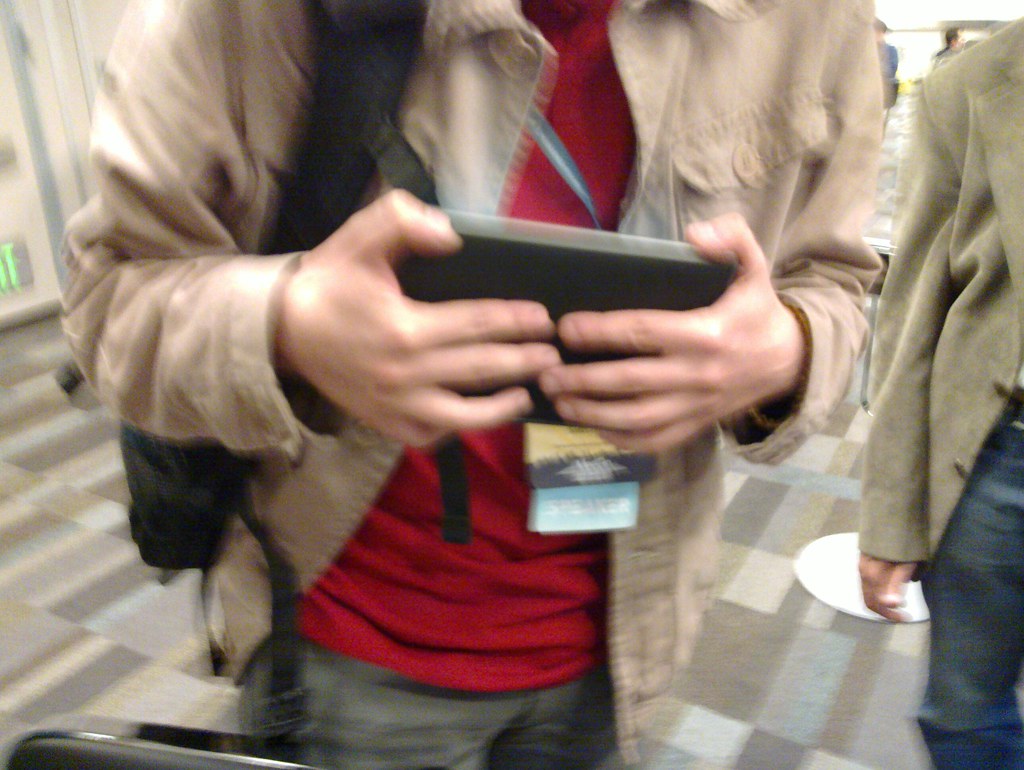
Importing Tablets and E-Readers from China to Saudi Arabia
Jul 16, 2026
Product Import Guides
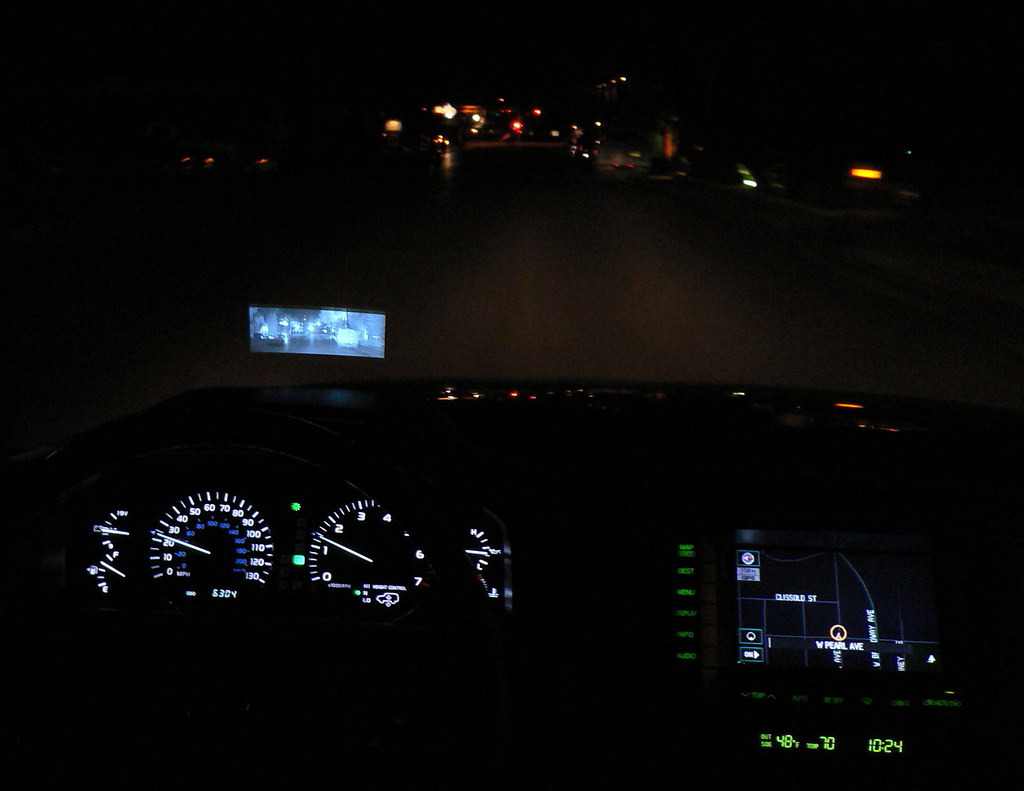
Importing Car Dash Cams and In-Car Electronics from China to Saudi Arabia
Jul 14, 2026
Product Import Guides
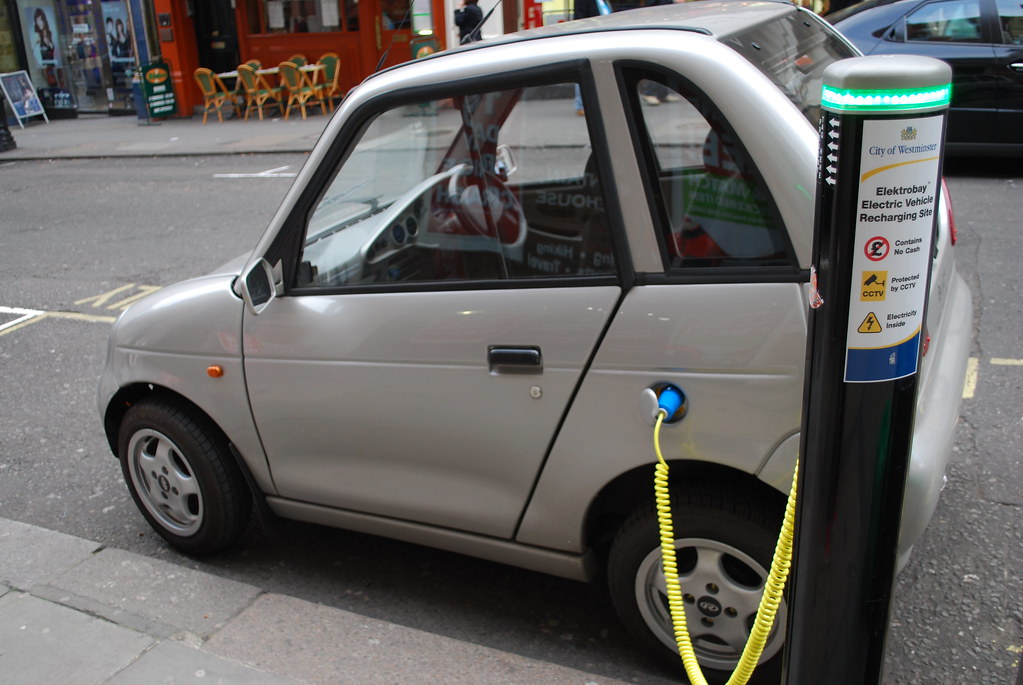
Importing EV Chargers and Charging Stations from China to Saudi Arabia
Jul 12, 2026