Importing Sewing & Embroidery Machines from China: A Guide for Factories & Workshops
Apr 04, 2026
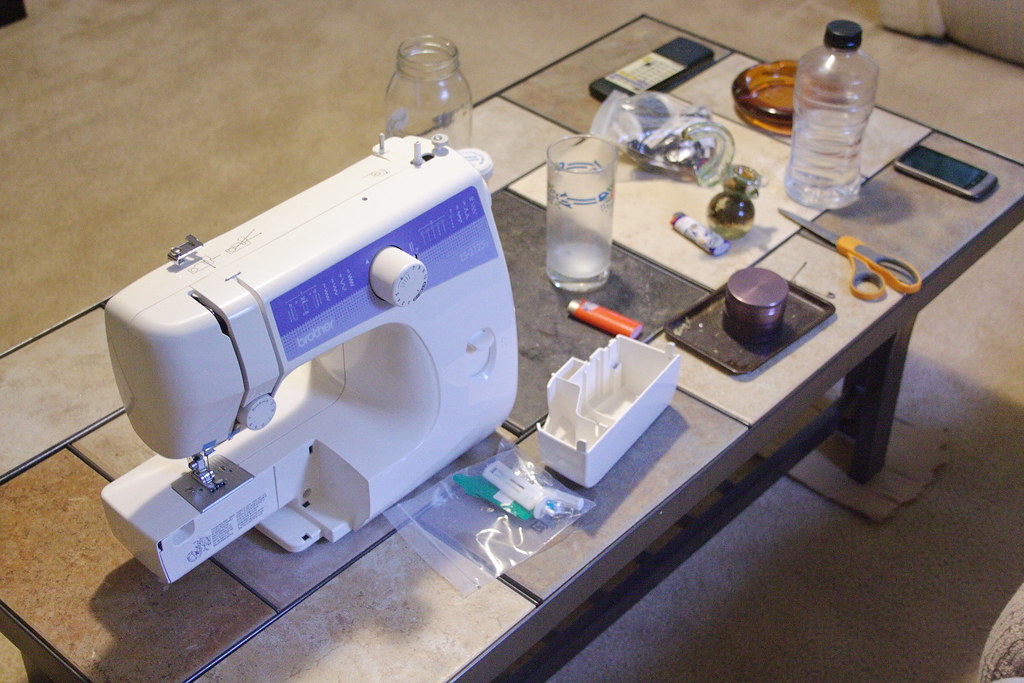
As Saudi Arabia's garment, textile, and uniform industries grow, demand for industrial sewing and embroidery machines has risen sharply. Whether you are setting up a small sewing workshop or a full factory, choosing the right machine determines your productivity and product quality. China is the world's leading source for these machines, from overlock and lockstitch machines to computerized multi-head embroidery machines. This guide explains how to import smartly and avoid the mistakes that cost a workshop downtime and losses.
Why Import from China?
China dominates the global industrial sewing machine market and produces an enormous range suited to every fabric type and product. The price gap is very large compared with Japanese or German brands, with machines featuring automatic trimming and energy-saving servo motors available at prices within reach of small workshops. Computerized embroidery machines are also available in various head counts (from single-head up to 20 heads), letting you scale with your business size.
Where in China? Manufacturing Clusters
Sewing and embroidery machine manufacturing is concentrated in specific regions:
- Zhejiang Province and the Taizhou area: The world's largest cluster of industrial sewing machines, home to the most famous domestic brands.
- Guangdong Province (Guangzhou/Dongguan): Strong in computerized embroidery machines, accessories, and spare parts.
- Jiangsu Province: Specialized machines for heavy products like leather and upholstery.
Having a field team in the region lets you test the machine hands-on with the exact fabric you work with before buying.
Specs and Common Technical Mistakes
Watch these details that separate a productive machine from a troublesome one:
- Motor type: Choose machines with a servo motor rather than a traditional clutch motor, as it is quieter, more energy-efficient, and more precise in control.
- Voltage: Ensure the machine is compatible with the Saudi grid (220V single-phase or 380V 3-phase depending on the machine). Check the frequency too.
- Stitch type and application: Precisely define your product type (shirts, jeans, upholstery, leather) because each needs a different machine, needle, and presser foot.
- For embroidery machines: Watch stitching speed (stitches/minute), number of colors, embroidery area, and the control system's compatibility with common design software (such as Wilcom).
- Build quality: Request machines from manufacturers known for the quality of internal metal parts, not merely the cheapest.
Tip: Request a test run on your actual fabric and record a video, checking noise level, vibration, and stitch straightness before confirming the order.
Certification and Compliance in Saudi Arabia
Sewing and embroidery machines are electrical equipment subject to Saudi Standards (SASO) requirements via the SABER platform, and need a Certificate of Conformity and CE certificate before clearing the ports of Jeddah or Dammam. Request technical documentation and the operating/maintenance manual from the factory. Factor customs duties and 15% VAT into the project's final cost.
Warranty, Spare Parts, and Training
A stopped machine means stopped production and daily loss. So agree on a warranty of at least one year, and request a package of fast-wear spare parts: needles, bobbins/hooks, belts, and precision embroidery parts. Ensure remote technical support and a clear maintenance manual are available. For computerized embroidery machines, verify that software training is offered, as operating them requires skill. It is best to work with a supplier that stocks spare parts and support inside the Kingdom.
Quantities and Rough Costs
The minimum order quantity (MOQ) is often a single unit, but pricing improves when ordering several machines to equip a production line. As a rough reference: a servo-motor lockstitch machine starts around SAR 1,200 to 2,500, an overlock machine from SAR 1,500 to 3,500, and a single-head computerized embroidery machine from SAR 15,000 to 40,000 depending on specs and head count. Sea freight is best suited, factoring in insurance and clearance.
Terrace International, with its team in Guangzhou and Riyadh, handles factory selection suited to your product type, hands-on machine testing before purchase, verifying electrical compatibility and certifications, securing spare parts and technical support, and managing shipping and clearance. Contact us to equip your workshop or factory with reliable machines that support your business growth.
Related Articles
Product Import Guides
Importing Tablets and E-Readers from China to Saudi Arabia
Jul 16, 2026
Product Import Guides
Importing Car Dash Cams and In-Car Electronics from China to Saudi Arabia
Jul 14, 2026
Product Import Guides
Importing EV Chargers and Charging Stations from China to Saudi Arabia
Jul 12, 2026