Importing Shopping Trolleys & Baskets from China: A Supermarket Guide
May 14, 2026
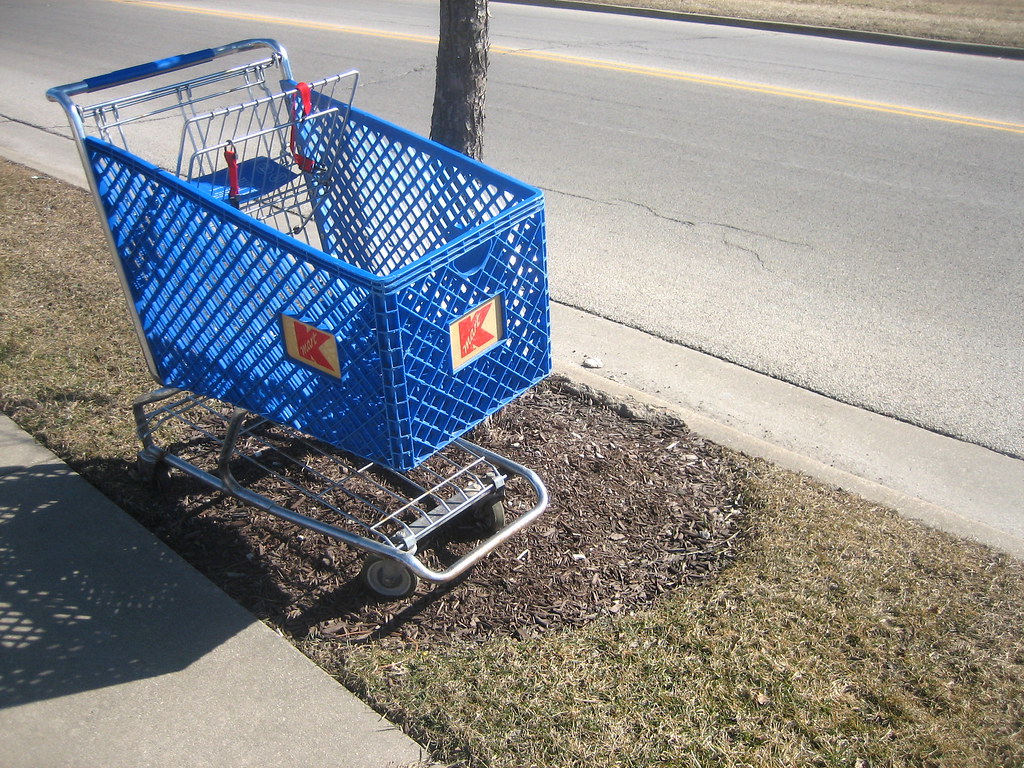
The shopping trolley is the one tool every customer touches when entering a supermarket or hypermarket, and its quality reflects directly on the store's image and on customer safety. Metal trolleys, heavy-duty plastic carts, hand baskets, and rolling baskets all require high durability, because they operate daily under heavy loads and sometimes in humid environments. China is the world's largest source for these carts, and this guide shows you how to import smartly and avoid trolleys that rust or lose their wheels within months.
Why Import from China?
Chinese factories produce shopping trolleys at massive scale on automated welding lines that ensure a consistency hard to match locally. The price gap is significant, especially when ordering by the full container, with customization available: cart capacity (in liters), paint or plastic color, store logo on the handle, and wheel type. Multiple nesting-cart options are also available, saving considerable space both in the store and in the container during shipping.
Where in China? Manufacturing Regions
Shopping trolley manufacturing is concentrated in specific regions:
- Hebei Province and the Tangshan area: One of the world's largest hubs for metal carts and wire products.
- Guangdong (Guangzhou/Foshan): Strong in modern plastic carts, baskets, and integrated retail solutions.
- Shandong Province: Large factories for supermarket equipment including trolleys and material-handling gear.
Inspecting the production line firsthand reveals welding and galvanizing quality, decisive factors in a cart's lifespan in the Gulf environment.
Specs and Common Technical Mistakes
These are the points that separate a good cart from a poor one:
- Rust protection: Request double treatment, zinc plating followed by powder coating or electro-dipping, essential for resisting the humidity and salinity in cities like Jeddah and Dammam.
- Wheel quality: Wheels are the first thing to fail. Request quiet, wear-resistant TPR or PU wheels with high-quality bearings, and dynamic load testing.
- Wire thickness and load: Specify wire diameter and maximum load (in kilograms). Cheap carts warp under heavy weight.
- Customer safety: Ensure a child seat with a safety belt and safely folded edges with no sharp protrusions.
Tip: Request a test sample and run it in real conditions under maximum loads for several days before confirming the quantity. Wheels and welds reveal their weakness under use, not in a quick inspection.
Certification and Compliance in Saudi Arabia
Shopping trolleys and baskets fall under Saudi Standards (SASO) requirements via the SABER platform and need a Certificate of Conformity before clearing the ports of Jeddah or Dammam. Request a material report and load/safety test reports from the factory. Although these are non-electrical products and simpler to certify, child-seat safety requirements must be verified. Do not forget to factor in customs duties and 15% VAT.
Shipping, Quantities, and Rough Costs
The great advantage of shopping trolleys is nesting, allowing a large number to load into a single container and noticeably lowering per-unit freight. The minimum order quantity (MOQ) usually starts at 100 to 200 carts and 200 to 500 baskets. As a rough reference: a 100-liter metal shopping trolley starts around SAR 180 to 350 depending on specs and wheels, and a plastic hand basket from SAR 15 to 40. Load the container efficiently, because these products, despite nesting, remain bulky.
Sea freight is the optimal option from China's ports to Jeddah or Dammam, allowing roughly 20 to 35 days for arrival and clearance.
Terrace International, with its field team in Guangzhou and Riyadh, handles specialized factory selection, real-world sample testing, galvanizing and wheel quality verification, container-load optimization, and shipping and clearance to your store's door. Contact us to equip your store with trolleys that last for years at the best cost.
Related Articles

Product Import Guides
Importing Tablets and E-Readers from China to Saudi Arabia
Jul 16, 2026

Product Import Guides
Importing Car Dash Cams and In-Car Electronics from China to Saudi Arabia
Jul 14, 2026
Product Import Guides
Importing EV Chargers and Charging Stations from China to Saudi Arabia
Jul 12, 2026