Importing Shower Enclosures and Bathtubs from China to Saudi Arabia
Jun 16, 2026
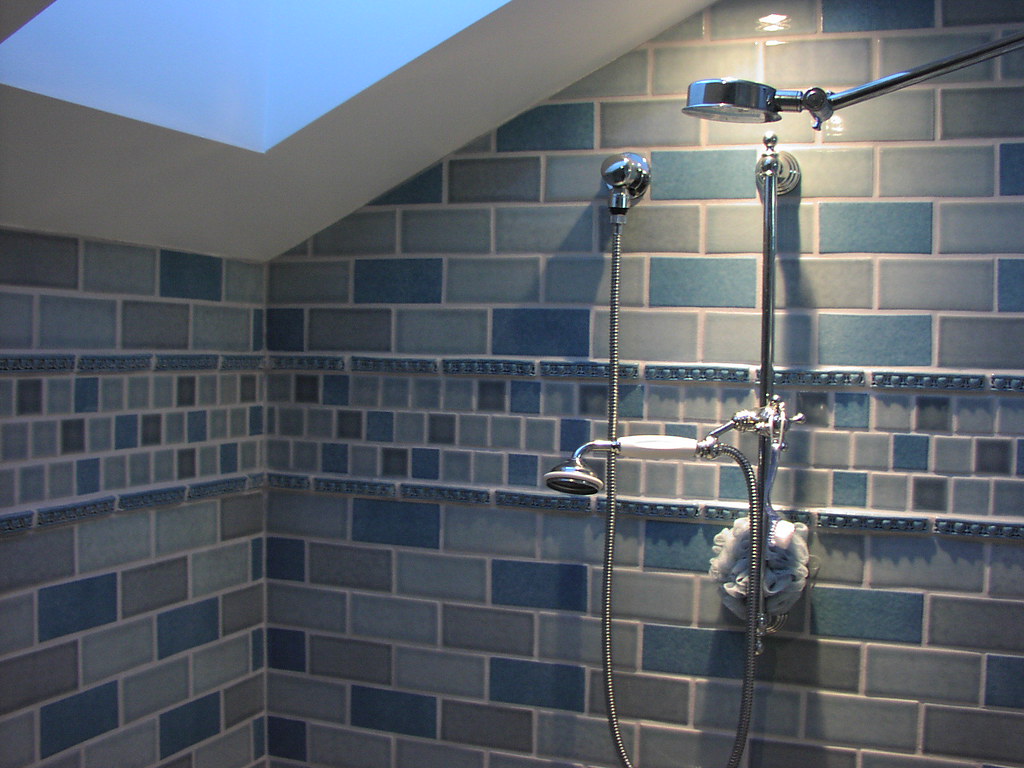
With Saudi Arabia's construction boom — housing programs, villa developments, and a fast-growing hotel pipeline — glass shower enclosures and bathtubs have become some of the most demanded finishing products in the market. Developers want a modern look at controlled cost, villa owners want hotel-grade bathrooms, and sanitary-ware shops need suppliers with wide selection at competitive prices. Direct import from China delivers all of that, but this category punishes mistakes harshly: the product is heavy, fragile, and any failure in quality or packaging turns straight into losses. Done right, however, unit values are high and competition is thinner than in small goods.
Why China for This Category
Foshan in Guangdong is the global heart of sanitary-ware manufacturing, together with Zhongshan and Jiangmen — hundreds of factories specialized in tempered-glass enclosures, acrylic bathtubs, and whirlpool massage tubs. The supply chain there is complete: tempered glass, aluminum and stainless framing, acrylic sheets, and control systems, enabling an enormous range from simple sliding enclosures to full steam-shower cabins at prices impossible to match locally. Factories are also flexible on custom sizes for hotel and palace projects, which is exactly where Gulf demand is heading.
Where to Source and How to Verify
Start at Foshan's specialized sanitary-ware exhibitions or the Canton Fair, and compare factories on technical grounds, not just price. For enclosures: verify tempered-glass certification and thickness (typically 6 to 10 mm depending on design), the quality and rust resistance of hinges and rollers, and the fit of water-seal strips. For bathtubs: ask about acrylic sheet thickness, the fiberglass reinforcement layer, and the strength of the steel support frame. Inspect ongoing production for other customers if you can, and confirm the factory has genuine Gulf export experience — proper seaworthy packaging is a culture, not a contract clause, and factories that ship to the region regularly already know what survives the voyage to Jeddah.
The Most Common Quality Pitfalls
- Glass that is not genuinely tempered or lacks proper certification marks — a real safety hazard.
- Cheap hinges and rollers that rust fast in bathroom humidity and loosen within months.
- Thin acrylic that cracks or yellows over time.
- Poor seal strips that let water escape the enclosure.
- Weak packaging that lets breakage rates in sea freight consume the entire margin.
Certification, Shipping, and Customs Notes
Shower enclosures and bathtubs fall under Saudi conformity requirements with product registration on the SABER platform under the relevant technical regulations, and the critical documents are tempered-glass certificates and material test reports. For shipping, insist on wooden crates or reinforced frames for glass panels with protective separators for every sheet, and marine insurance that explicitly covers breakage. Sea freight from Shenzhen or Guangzhou to Jeddah Islamic Port or King Abdulaziz Port in Dammam takes approximately 18 to 30 days, with customs duty of approximately 5% plus 15% VAT on the CIF value. Open and inspect the container immediately on arrival and photograph any breakage on the spot for the insurance claim.
Costs, MOQs, and Lead Times
Approximate ex-factory pricing: simple two-panel sliding enclosures USD 80 to 180, complete cabins with base and columns USD 150 to 350, and integrated steam-shower rooms USD 400 to 900. Acrylic bathtubs run USD 90 to 250, and whirlpool tubs approximately USD 350 to 900 depending on fittings. MOQs are usually a consolidated container or 20 to 50 pieces per model, and because the product is bulky, a container holds a limited count — profit here rides on high unit value, not volume. Production commonly takes 25 to 40 days. Plan a disciplined range of the sizes most demanded in Saudi bathrooms rather than a random assortment, and reserve part of the container for spare hinges, rollers, and seals.
Common Mistakes Importers Make
The costliest: economizing on packaging and turning the container's profit into broken glass, ignoring spare parts such as hinges, rollers, and seals, importing sizes that do not fit local bathroom dimensions, skipping pre-shipment inspection on a product that cannot be repaired after arrival, and contracting a trader with no factory so accountability evaporates at the first problem.
The golden rule: in enclosures and bathtubs, packaging is not a cost but insurance — spend more on the wooden crate and save multiples of it in breakage.
The Terrace International field team in Guangzhou and Shenzhen audits Foshan factories in person, negotiates pricing and reinforced seaworthy packaging, supervises loading and pre-shipment inspection, and manages SABER procedures until your goods arrive intact. Get in touch and enter the premium finishing market with confidence.
Related Articles
Product Import Guides
Importing Tablets and E-Readers from China to Saudi Arabia
Jul 16, 2026
Product Import Guides
Importing Car Dash Cams and In-Car Electronics from China to Saudi Arabia
Jul 14, 2026
Product Import Guides
Importing EV Chargers and Charging Stations from China to Saudi Arabia
Jul 12, 2026