Importing Smartwatches and Wearables from China to Saudi Arabia
Jul 01, 2026
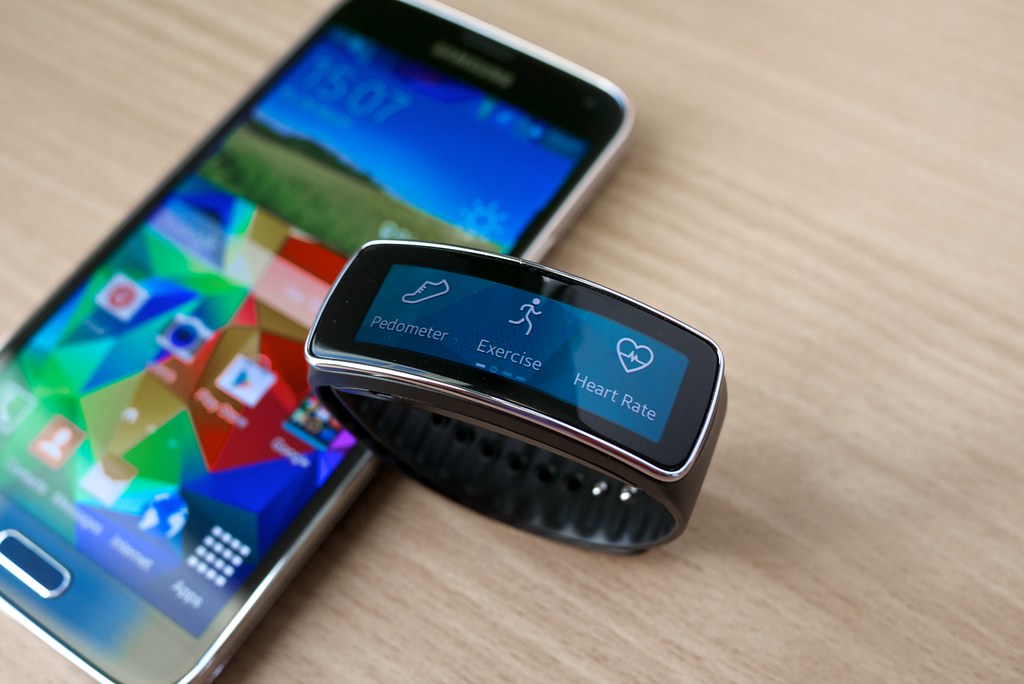
The market for smartwatches and wearables in Saudi Arabia and the Gulf is expanding at a striking pace, driven by a young, health-conscious population, a growing fitness culture, and rising disposable income spent on personal devices. But real margins only appear when you import intelligently, straight from the source, while avoiding the quality and compliance mistakes that leave stock stranded at the port or drive a return rate that eats your profit. This guide is written specifically for this product category, not for generic importing.
Why China for This Category
China produces more than 80% of the world's wearables and controls a vertically integrated supply chain: from processing chips and AMOLED displays to heart-rate and oxygen sensors and lithium batteries. That integration means competitive pricing no other country can match and real flexibility. You can choose full private label (OEM) with your own design, or a ready product rebranded for you (ODM) with limited tweaks to the interface and packaging. Intense competition among thousands of factories works in your favour on price, speed of innovation, and the variety of models refreshed every season.
Where to Source in China
The beating heart of this industry is Shenzhen in Guangdong province. The Huaqiangbei district is the largest electronics market on earth, and areas such as Longhua and Bao'an host factories that specialise in smartwatches and fitness bands.
- Shenzhen: high-spec smartwatches, displays, and private-label software solutions.
- Dongguan: high-volume assembly and manufacturing at competitive cost.
- Guangzhou: export offices, final assembly, packaging, and clearance.
Having a team on the ground in Guangzhou and Shenzhen gives you the advantage of direct negotiation and factory visits before you commit, and the ability to tell a real manufacturer from a middleman who raises the price with no added value. Always ask to see the production line and the factory's own certifications before any commitment.
The Most Common Quality Pitfalls
Failures in this category rarely show up in the first sample; they appear in bulk production when the factory swaps a component for a cheaper one. Focus on:
- Claimed vs actual battery life: demand battery testing under real usage with the screen and sensors active, not standby mode alone.
- Sensor accuracy: heart-rate, step, and oxygen sensors must be validated against a certified reference device.
- Water resistance: verify the real IP rating (IP67/IP68) with a test report, not a claim printed on the box.
- Arabic language support: the system interface and companion app must fully and correctly support Arabic with right-to-left text. This is the single most overlooked detail.
- Connection stability: reliable Bluetooth pairing with both iPhone and Android without dropouts.
- Display quality: distinguishing a genuine AMOLED panel from a cheap TFT, and its readability under the harsh Gulf sun.
Always request a pre-production sample and physically test it in Saudi Arabia before confirming the full order, and keep a golden reference sample to check every batch against.
Required Certifications and Approvals
A smartwatch is a wireless device containing a lithium battery, which means two layers of regulatory requirements in Saudi Arabia:
- SASO / SABER: product registration plus a Product Certificate (PC) and Shipment Certificate (SC) are mandatory for customs clearance; the shipment cannot enter without them.
- CST approval: any device emitting radio frequencies (Bluetooth/Wi-Fi) needs approval from the Communications, Space and Technology Commission before market sale.
- Battery certification UN38.3 and IEC 62133: essential for safe air freight and to prove lithium battery safety against heat and rupture.
- RoHS: to confirm the product is free of hazardous substances and heavy metals.
Shipping, Costs, and Minimum Order
Because these devices are high value and lightweight, air freight is often the best fit for its speed and protection of working capital, keeping in mind that lithium batteries are classified as dangerous goods and require special packaging and documentation. Larger orders can move by sea through Jeddah Islamic Port or King Abdulaziz Port in Dammam to cut per-unit cost.
- MOQ: typically 100 to 500 units per model, sometimes lower for a ready model without customisation.
- Rough factory cost: SAR 30 to 150 per unit depending on specs (display, sensors, processor).
- Do not forget to factor in 15% VAT and customs duty when calculating your margin and final retail price.
Common Mistakes Importers Make
The biggest ones: ignoring CST approval so the shipment gets held, skipping the Arabic language test, chasing the cheapest price without checking chip and display quality, failing to document battery certification before air freight, and relying on factory photos without a physical inspection. Each of these can turn a profitable deal into a direct loss.
The golden rule: never pay the final balance before an on-site quality inspection at the factory.
At Terrace International, our on-the-ground team in Guangzhou and Shenzhen handles factory selection, negotiation, pre-shipment quality inspection, and manages your SASO, SABER, and CST approvals on your behalf. Talk to us and import your smartwatches with confidence, without surprises at the port.
Related Articles

Product Import Guides
Importing Tablets and E-Readers from China to Saudi Arabia
Jul 16, 2026
Product Import Guides
Importing Car Dash Cams and In-Car Electronics from China to Saudi Arabia
Jul 14, 2026

Product Import Guides
Importing EV Chargers and Charging Stations from China to Saudi Arabia
Jul 12, 2026