Importing Stationery & Office Supplies from China
Jun 18, 2026
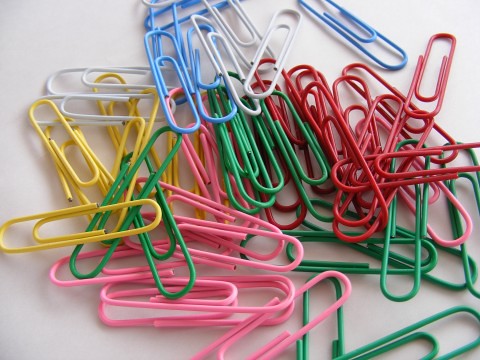
Stationery and office supplies never sleep: schools, universities, companies, and the back-to-school season that creates a massive annual demand peak across Saudi Arabia and the Gulf. Margins in this category are healthy when you import smartly, because per-unit value is low but sales volume is large and repeat. China is the world's number-one stationery factory, and understanding its manufacturing map saves you costly mistakes. Here is the practical guide.
Where to source stationery in China
Unlike many categories, stationery concentrates in a clearly defined industrial cluster:
- Ningbo, Zhejiang: The undisputed global capital of stationery. Home to thousands of factories for pens, notebooks, files, office tools, and art supplies — and located near China's largest ports, which lowers shipping cost.
- Yiwu: The world's largest wholesale market for small commodities, ideal for assembling a varied range from multiple suppliers in smaller quantities, especially seasonal and office-gift items.
- Wenzhou: Strong in pens, metal writing instruments, and leather office portfolios.
The rule of thumb: Ningbo for the specialized factory and large volumes, Yiwu for assembling a diverse range with more flexibility on quantities. A practical strategy many successful importers use is to anchor their core best-sellers (pens, notebooks, files) with a dedicated Ningbo factory for consistency and price, then top up seasonal or novelty items from Yiwu where you can mix dozens of SKUs without committing to a huge run on each. This hybrid approach protects your margins on volume lines while keeping your catalog fresh.
Stationery-specific quality pitfalls
Low per-unit value tricks importers into compromising on quality, and the result is returns and lost wholesale clients:
- Pens: Test ink flow, drying, and leakage under heat. Saudi heat exposes poor pens fast, so request samples and test them in similar conditions.
- Notebooks and paper: Check paper weight (GSM) and whiteness. Thin paper bleeds ink through and ruins the writing experience.
- Children's supplies: Scissors, crayons, glue, and clay are aimed at children and face strict safety standards (non-toxic materials, safe edges).
- Printing and packaging: Cover colors may differ from the sample. Lock a documented Pantone color file into the production contract.
Certifications and safety
Most ordinary stationery is a low-risk category, but be careful: products aimed at children (crayons, clay, glue, art supplies) face stricter safety requirements and may need non-toxic material testing and conformity with standards such as Europe's EN71 or equivalent. In Saudi Arabia your shipments pass through the SABER platform, and electrical office products (calculators, electric sharpeners, desk lamps) require conformity with SASO standards. Ask your supplier for test reports up front to avoid port delays.
Minimum order quantities and costs
Stationery features reasonable order minimums compared to other categories:
- MOQ: typically 1,000–5,000 pieces per design at specialized factories, but in the Yiwu market you can start with far smaller quantities per item.
- Total shipment value matters more than per-piece price — fill the container efficiently because stationery is light and consumes volume.
- Sea freight is the best fit; stationery usually isn't urgent, so low cost matters more than speed.
- Always add 15% VAT and customs duty to calculate your true landed cost and realistic margin.
Because individual items are cheap, the smart lever in stationery is consolidation: combining many SKUs into full containers so freight cost per unit drops to a few halalas. Importers who ship half-empty containers or rush small air shipments often find freight wiping out their thin per-unit margin. Plan your assortment around container efficiency, not just product appeal.
Common mistakes when importing stationery
- Focusing only on price and neglecting ink and paper quality, then losing retailers who return goods.
- Ignoring back-to-school seasonality — order early (3–4 months ahead) to avoid production crowding and shipping delays at peak.
- Skipping localization: Gulf customers sometimes prefer products with local designs or covers. A simple customization differentiates your brand.
- Ordering too wide a range at the start instead of testing best-sellers first.
The secret to profit in stationery isn't the cheapest pen — it's the best balance of acceptable quality, low shipping cost, and timing that beats the seasonal peak.
How Terrace International helps
At Terrace International, we have an on-the-ground team in China that moves between Ningbo's factories and the Yiwu market to assemble your range from trusted sources, inspects ink and paper quality, verifies children's-product safety, and manages SABER procedures and shipping to Jeddah and Dammam. We help you start with trial quantities then scale with confidence. Contact Terrace International today to build a profitable, stable stationery import line.
Related Articles
Product Import Guides
Importing Tablets and E-Readers from China to Saudi Arabia
Jul 16, 2026
Product Import Guides
Importing Car Dash Cams and In-Car Electronics from China to Saudi Arabia
Jul 14, 2026
Product Import Guides
Importing EV Chargers and Charging Stations from China to Saudi Arabia
Jul 12, 2026