Importing Steel & Wooden Doors from China to Saudi Arabia
May 10, 2026
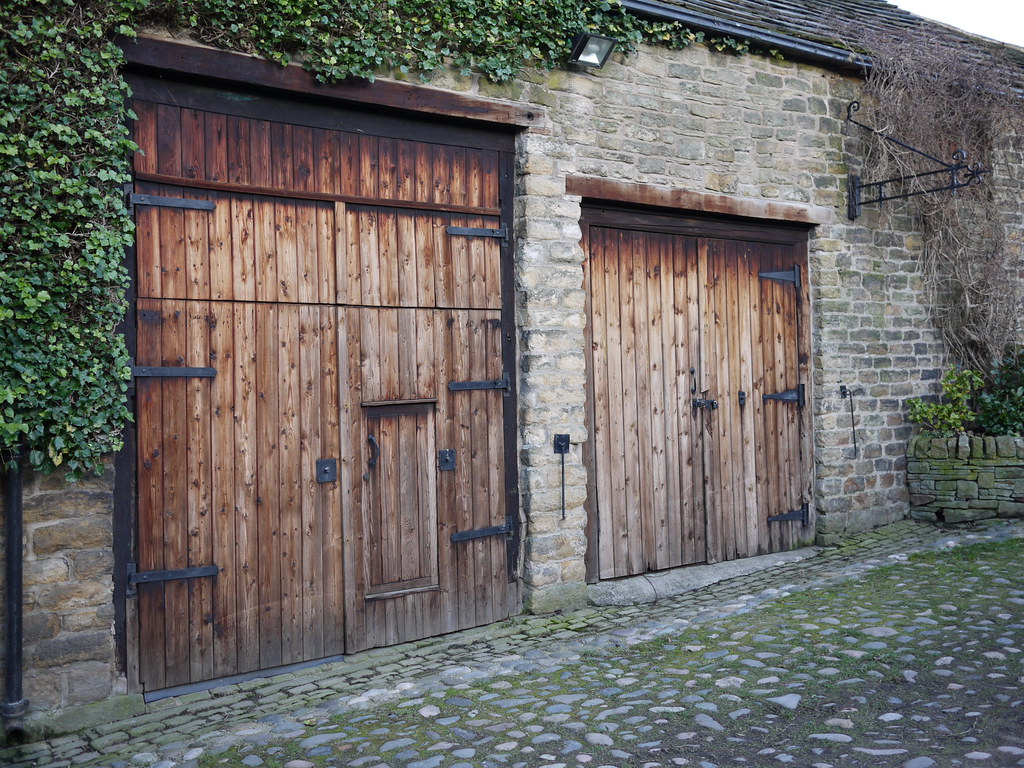
Doors are one of the highest-volume items on any Saudi project, from thousands of interior doors in a residential compound to heavy security entrances for villas and steel fire doors for stairwells. China dominates global door manufacturing across both steel and timber, offering custom sizes, decorative finishes and price points that suit everything from affordable housing to luxury fit-out. The key for Gulf importers is specifying for humidity, sun and Saudi door dimensions before the first set is built.
Why Import Doors from China?
Chinese factories produce doors at a scale and variety no regional supplier can match: security steel doors, interior moulded and veneer doors, WPC and PVC doors, and certified fire doors, all in the exact leaf sizes a Saudi project needs. Direct sourcing typically lands a complete door at 30% to 50% below imported European product, and factories will cut bespoke widths, heights and swing directions to match the drawings, which is invaluable on large repeat-unit projects.
Where to Buy: China's Door Clusters
- Zhejiang (Yongkang): known as China's hardware capital and the global hub for steel security doors, armoured entrances and metal fire doors.
- Chongqing: the country's largest wooden-door base, strong for moulded, veneer and solid-timber interior doors.
- Guangdong (Foshan) and Jiangsu: higher-end veneer and lacquer doors and aluminium door systems.
- Shandong: value WPC and composite doors suited to humid and wet-area use.
Buy steel and fire doors from Yongkang, interior timber doors from Chongqing, and moisture-tolerant WPC from Shandong. For a mixed project you can consolidate all three across factories in the same region, but keep one supplier accountable for the whole package so quality and cutting lists stay aligned across door types.
Specifications & Quality Pitfalls
Doors are where hidden cost-cutting hurts most, so specify tightly:
- Steel doors: confirm steel skin gauge (0.8mm to 1.2mm for security), frame gauge, and filler, rockwool for fire and sound rather than cheap honeycomb. Avoid heat-transfer "wood-look" finishes on exterior doors; they fade and peel under Gulf UV, so specify powder coating.
- Locks and hinges: demand a multi-point lock on security doors and quality hinges; the ironmongery fails long before the leaf.
- Wooden doors: a hollow particleboard core warps in coastal humidity, so use solid or engineered cores for exterior and wet-adjacent openings, and confirm low-formaldehyde (E1/E0) boards.
- Fire doors: require a certified core, intumescent seals and valid fire test reports, not just a "fire door" label.
Confirm Saudi leaf sizes and handing on a signed cutting list, and require sealed sample doors before mass production. A one-set approval sample costs little and prevents an entire container of wrong-sized or wrong-swing doors that cannot be used and cannot be economically returned from the port.
SASO, SABER & Fire Certification
Doors fall under Saudi conformity, so each shipment needs SABER registration with Certificates of Conformity against the relevant SASO standards. Fire doors additionally require valid fire-rating test reports and clear marking of the rating (for example 60 or 90 minutes). Ask for the factory ISO 9001 certificate and formaldehyde-emission reports for timber doors. Missing paperwork means doors sit at Jeddah or Dammam customs while your handover date slips.
Shipping, MOQ & Rough Costs
Doors are heavy and moisture-sensitive, so they must be palletised, foam-edged and shipped with desiccant, wooden doors especially warp if a container sweats on the sea leg. MOQ is often set per design (commonly 50 to 100 sets for timber doors), while steel security doors can start lower. As a rough guide, interior wooden doors run about 20 to 60 USD per set and steel security doors 30 to 90 USD per set FOB, before freight and 5% duty and 15% VAT at ZATCA. Order matching frames, architraves and ironmongery in the same load.
Common Mistakes to Avoid
- Using hollow-core doors in humid coastal projects.
- Accepting heat-transfer finishes on sun-exposed steel doors.
- Shipping timber doors without desiccant and getting warped leaves.
- Ordering the wrong swing or handing against the drawings.
- Treating "fire door" as a claim rather than a certified, tested product.
A door is judged after its first humid summer and its thousandth open-and-close, not on the showroom sample.
At Terrace International, our on-the-ground team in China audits door factories in Yongkang, Chongqing and Shandong, checks cores, locks and finishes, approves sealed samples, supervises moisture-safe packing and pre-shipment inspection, and manages SABER conformity so your doors reach Jeddah or Dammam ready to hang. Contact us today to source your project's doors from China.
Related Articles

Product Import Guides
Importing Tablets and E-Readers from China to Saudi Arabia
Jul 16, 2026
Product Import Guides
Importing Car Dash Cams and In-Car Electronics from China to Saudi Arabia
Jul 14, 2026
Product Import Guides
Importing EV Chargers and Charging Stations from China to Saudi Arabia
Jul 12, 2026