Importing Textiles & Fabrics (incl. Abaya Fabric) from China
May 26, 2026
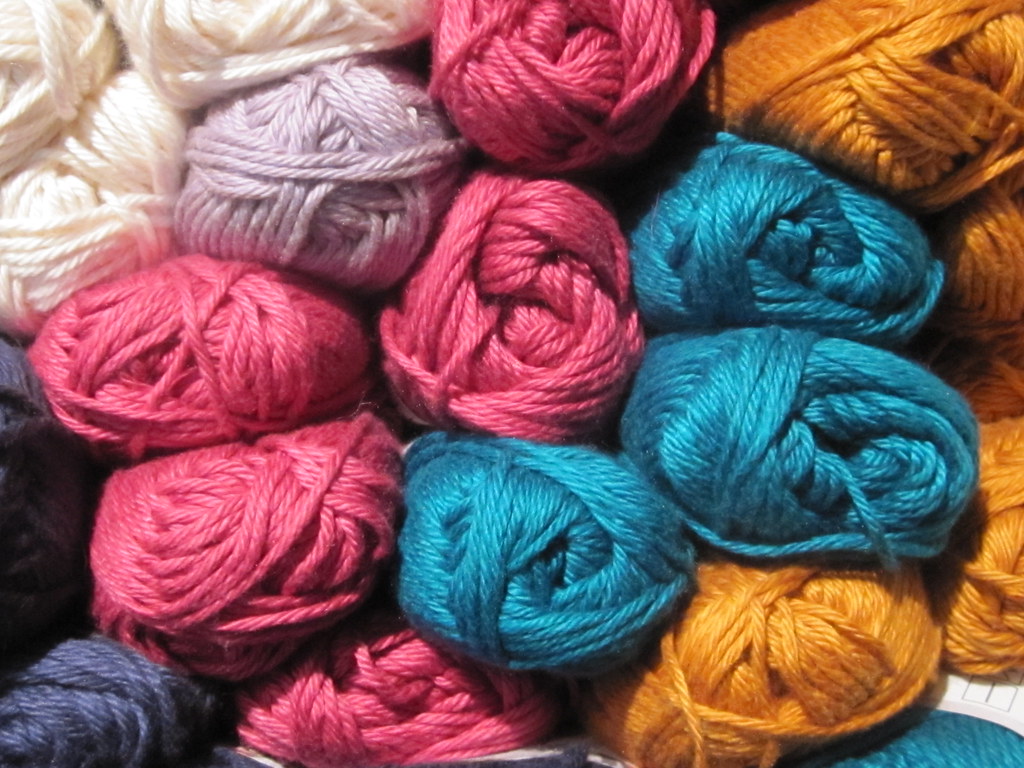
Textiles are one of the most profitable import categories for the Saudi and Gulf market, especially with steady year-round demand for abaya fabric, thobe cloth and home furnishings. China produces most of the world's fabric in every fibre, weight and finish. But your success depends on a precise understanding of the cloth and its source — fabric is a field where quality is hard to judge from a photo alone, and small differences in weight and colour make a big difference in whether your customer accepts the goods.
Why China for Fabrics
The range is unmatched: polyester, cotton, blends and rayon, in countless weights, colours and finishes. This lets you find cloth that exactly matches Saudi market taste — especially in black abaya fabric, where colour depth, hand feel, weight and drape all matter. China also lets you mix economy and premium sources under one market roof, and supports finishing services such as printing, dyeing to a custom colour, and coating, so you can develop a private-label fabric line rather than reselling a generic stock cloth that every competitor already carries.
Where Exactly to Source in China
Geographic specialisation dictates the fabric type and your price:
- Keqiao in Shaoxing, Zhejiang — the largest fabric market in the world (China Textile City); tens of thousands of woven and printed fabric suppliers in every weight.
- Guangzhou — the Zhongda fabric market, the best source for fashion fabrics, womenswear cloth and high-quality abaya fabric.
- Nantong — the hub for home textiles, towels, bedding and mattress fabrics.
- Zhongshan and Foshan for knitted and sportswear fabrics.
For abaya fabric specifically, look for suppliers of "Nidah", "Korean fabric" and "Formal black" — many are in Guangzhou and Keqiao and know the Gulf market's requirements inside out.
Quality Pitfalls Specific to Fabrics
These are the most costly mistakes in textiles:
- Colourfastness: a black that fades or bleeds when washed or exposed to sweat is a disaster in abayas. Request colourfastness tests for washing, rubbing and perspiration.
- Fabric weight (GSM): a supplier may ship a lighter weight than agreed to cut costs. Specify GSM in writing and verify against the sample and on the scale at receipt.
- Width: a different roll width changes your metre consumption and directly affects the cost of the finished garment.
- Shrinkage after washing and pilling in low-quality blended fabrics.
- Dye-lot matching: insist the whole order comes from the same dye lot to avoid colour variation between rolls.
In fabrics, the signed sealed sample is your legal reference. Keep a piece signed by the supplier to match against the goods you receive in any dispute.
Saudi Standards & Certification
Textiles fall under SASO requirements and the SABER platform — the key ones being:
- Labeling requirements: fibre type and percentages, country of origin, care instructions — mandatory and in Arabic.
- Restrictions on banned chemicals (such as formaldehyde and azo dyes) in skin-contact fabrics.
- Children's products and underwear carry additional, stricter safety requirements.
Make sure the supplier applies correct labeling before shipping to avoid customs rejection or re-labeling at your own expense.
Common Mistakes Importers Make
Beware these recurring errors:
- Ordering from a phone photo without a physical, hand-held sample.
- Not specifying GSM and width in writing, so lighter or narrower cloth arrives.
- Skipping a colourfastness test before the large quantity.
- Mixing rolls from different dye lots in the same order.
Shipping, Costs & MOQ
Fabrics are relatively light and compressible, so sea freight by container is very economical, while air freight is viable for samples and rush orders. MOQ usually starts from a few thousand metres per colour or design, though some suppliers accept smaller quantities at higher prices, and stock-service fabrics can ship in days while custom dyeing takes weeks. Factor 15% VAT, customs and inland freight into your final cost per metre, and always confirm the roll length and any defects-per-roll allowance before you commit.
How Terrace International Helps
Terrace International's team in China visits the Keqiao and Guangzhou markets, pulls fabric samples and tests weight and colourfastness, negotiates prices on your behalf, and manages quality inspection and labeling before shipping. Whether you're importing abaya fabric or home textiles, talk to us before your next order to buy with confidence and consistent quality.
Related Articles
Product Import Guides
Importing Tablets and E-Readers from China to Saudi Arabia
Jul 16, 2026
Product Import Guides
Importing Car Dash Cams and In-Car Electronics from China to Saudi Arabia
Jul 14, 2026
Product Import Guides
Importing EV Chargers and Charging Stations from China to Saudi Arabia
Jul 12, 2026