Importing Trucks and Heavy Vehicles from China to Saudi Arabia
Mar 12, 2026
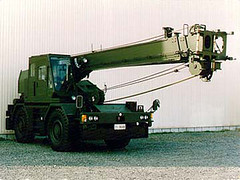
Saudi Arabia's transport and construction sectors are in an unprecedented boom, powered by giga-projects, e-commerce growth, and an expanding logistics industry — and demand for trucks, tractor heads, and tippers keeps climbing. The Chinese truck is no longer a marginal choice: brands like Sinotruk (HOWO), Shacman, Foton, and Dongfeng are a daily sight on Saudi highways, priced roughly 30–40% below European and Japanese equivalents while quality and parts availability have improved dramatically. This guide explains how to import heavy vehicles from China in a way that is both legally sound and commercially profitable.
Why Chinese Trucks, and Why Now
China is the world's largest heavy-truck producer, and its factories build engines and drivetrains developed through well-known global partnerships. For the Saudi buyer the advantage is threefold: a clearly lower purchase price, high flexibility in configuring the build (tipper, tractor head, tanker, crane truck), and local spare-parts networks that have expanded rapidly through dealers and independent importers.
Where They Are Built and the Key Brands
- Jinan (Shandong): home of Sinotruk, maker of the HOWO series — the most widespread Chinese truck in the Gulf.
- Xi'an (Shaanxi): home of Shacman, strong in tippers and construction trucks.
- Beijing, Changchun, and Wuhan: Foton, FAW, and Dongfeng respectively.
You buy either from the factory directly or through export companies it authorises — and this is precisely where fraudsters offering unrealistically cheap trucks concentrate. Field verification of the selling entity before transferring any deposit is your first line of defence.
Gulf Specification: Do Not Buy the Domestic-China Build
- Heat package: enlarged radiator, auxiliary transmission cooling, and a high-output air conditioner — a truck built for China's domestic market can struggle through a Dhahran summer.
- Dust and sand: dual air filtration and raised intakes for desert operating conditions.
- Fuel and emissions: match the engine's emissions system to what is approved in Saudi Arabia and to locally available fuel.
- Driving position and lighting: confirm left-hand drive and Gulf-compliant lighting and reflectors.
Regulation, Conformity, and Registration
New trucks require conformity certification through the SABER platform under Saudi vehicle regulations, with a VIN that is consistent across every document. Used trucks are subject to specific age limits that vary by vehicle category — verify the current rules before committing to any used deal. After customs release come periodic inspection and registration with the competent authorities, so demand a complete document file from the seller: certificate of origin, attested invoice, conformity certificate, and the technical specification sheet.
Shipping and Approximate Costs
- Shipping methods: RoRo vessels are the natural choice for complete trucks, with flat-rack containers used in some cases; the voyage takes approximately 20–35 days to Jeddah or Dammam.
- Approximate ex-factory prices: a new 6x4 tractor head runs roughly USD 37,000–64,000; an 8x4 tipper roughly USD 43,000–75,000 depending on configuration.
- Add freight, insurance, customs duty of approximately 5%, and 15% VAT to reach the true pre-registration landed cost.
- Spare parts: allocate roughly 3–5% of deal value to a first parts order shipped with the trucks — a decision that saves months of waiting later.
Common Mistakes in Truck Deals
Wiring large deposits to an unverified seller; buying a tempting domestic-spec unit and discovering cooling problems in service; ignoring used-vehicle age limits and having the truck refused at clearance; leaving spare parts and warranty out of the contract; and skipping a loaded road test before shipment. Any one of these can wipe out the price advantage that motivated the deal.
Golden rule: with heavy vehicles, inspect before shipment with a genuine loaded test run, and match the VIN yourself across the truck, the invoice, and the bill of lading — mistakes here cannot be fixed once the vessel sails.
Terrace International and its field team in Guangzhou and Shenzhen walk with you from factory verification and Gulf-spec negotiation to pre-shipment inspection, conformity paperwork, and sea freight management through to the arrival port. Talk to us before you sign any truck deal — one consultation can save you hundreds of thousands.
Related Articles

Product Import Guides
Importing Tablets and E-Readers from China to Saudi Arabia
Jul 16, 2026

Product Import Guides
Importing Car Dash Cams and In-Car Electronics from China to Saudi Arabia
Jul 14, 2026
Product Import Guides
Importing EV Chargers and Charging Stations from China to Saudi Arabia
Jul 12, 2026