Importing Vending Machines from China
Apr 26, 2026
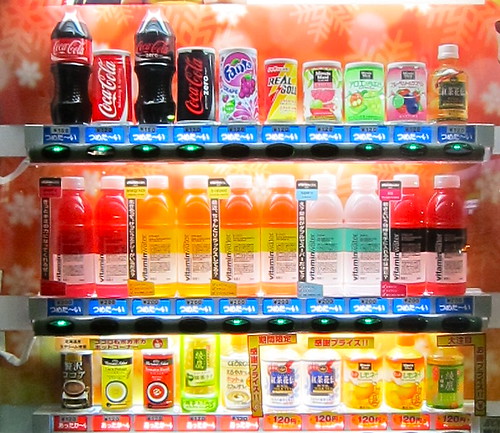
Automated retail is growing fast in Saudi Arabia. Vending machines now sell far more than soft drinks — coffee, fresh food, electronics, PPE, and pharmacy items — and they run unattended in malls, offices, hospitals, universities, and metro stations. For an operator, the machine is a 24/7 shop with no staff cost, but only if it is reliable, locally payment-enabled, and compliant. Importing directly from China gives you the capacity and features you need at a viable capital cost, provided you handle payment integration and certification correctly.
Choose the machine type and mechanism
Vending machines are defined by how they dispense. Spring-coil (spiral) machines are the classic snack-and-drink workhorses — cheap and flexible but occasionally drop items. Belt-conveyor machines handle fragile or fresh items gently and are better for food. Elevator/lift machines lower products to the tray and suit high-value goods like electronics and cosmetics. Refrigerated and frozen machines vend chilled drinks, dairy, and ice cream — essential in the Gulf climate and requiring the same high-ambient refrigeration discipline as any cooler. There are also fresh-brew coffee machines and locker-style smart fridges with camera or weight sensing. Match the mechanism to your product, and if you vend perishables, insist on a high-ambient compressor and reliable temperature control.
Where in China to source
China dominates vending-machine manufacturing. Guangdong — Guangzhou, Shenzhen, and Zhongshan — is the leading cluster for smart, camera-based, and refrigerated machines, and it is where Terrace's Guangzhou office can audit factories directly. Hunan (Changsha) is home to some of the largest specialist vending manufacturers, and Fujian and Zhejiang add further capacity. Because vending machines combine refrigeration, electronics, and software, choosing an established specialist — not a general appliance factory — matters a great deal.
Payments, software and Arabic localisation
This is where most import projects fail. A vending machine that cannot take local payment is useless. Your machine must integrate mada, Apple Pay, and contactless/NFC, ideally through a payment terminal certified for the Saudi market — a generic Chinese card reader will not work with mada. Insist on:
- Payment hardware that supports mada and NFC, and confirm which acquirer/terminal the machine is compatible with.
- Arabic-language UI and right-to-left display support on the touchscreen.
- Cloud/telemetry software for remote stock, pricing, and fault monitoring — and clarify whether it is a one-off licence or a subscription, and whether it supports ZATCA-compliant e-invoicing where required.
- SAR pricing and coin/note handling if you keep cash payment, configured for Saudi denominations.
Get a written commitment on payment integration before ordering; retrofitting a compliant terminal after the machines land is expensive and slow.
Certification, warranty, shipping and cost
Vending machines are electrical (and often refrigeration) equipment, so register on the SABER platform, obtain the Product Certificate of Conformity and per-shipment certificate, and meet SASO electrical-safety and energy requirements; refrigerated models also fall under energy rules. Machines must run reliably on 230V/60Hz. Negotiate at least a 12-month warranty and, critically, a stock of spare parts — payment modules, motors, control boards, compressors, and touchscreens — plus remote software support, because a downed machine earns nothing. Vending units are bulky; they typically ship as full-container-load by sea to Jeddah or Dammam over three to five weeks, and you should budget ZATCA duties and 15% VAT on the landed value. MOQ can be as low as one to five units for standard models, making vending accessible for pilots, though better pricing and customisation come with larger orders. As a rough guide, standard snack/drink machines land in the low-to-mid four figures in US dollars each, refrigerated and smart camera machines higher, and premium fresh-food or coffee robots higher still.
Common mistakes to avoid
- Importing machines that cannot process mada or Apple Pay — an instant deal-breaker in Saudi Arabia.
- Ignoring Arabic UI and confusing customers at the screen.
- Buying refrigerated units with standard-ambient compressors that fail in summer.
- Overlooking telemetry, so you cannot see stock-outs or faults remotely.
- No spare payment modules or boards, turning a small fault into weeks of lost revenue.
Terrace International sources vending machines built for the Saudi market. Our teams in Riyadh and Guangzhou vet specialist factories, verify mada/Apple Pay and Arabic-UI capability, confirm high-ambient refrigeration and 230V/60Hz safety, manage SABER and SASO certification, and ship to Jeddah or Dammam with spares and software support. Contact us before you order and launch automated retail that actually gets paid.
Related Articles
Product Import Guides
Importing Tablets and E-Readers from China to Saudi Arabia
Jul 16, 2026
Product Import Guides
Importing Car Dash Cams and In-Car Electronics from China to Saudi Arabia
Jul 14, 2026
Product Import Guides
Importing EV Chargers and Charging Stations from China to Saudi Arabia
Jul 12, 2026