Importing Walkie-Talkies and Communication Devices from China to Saudi Arabia
Jul 02, 2026
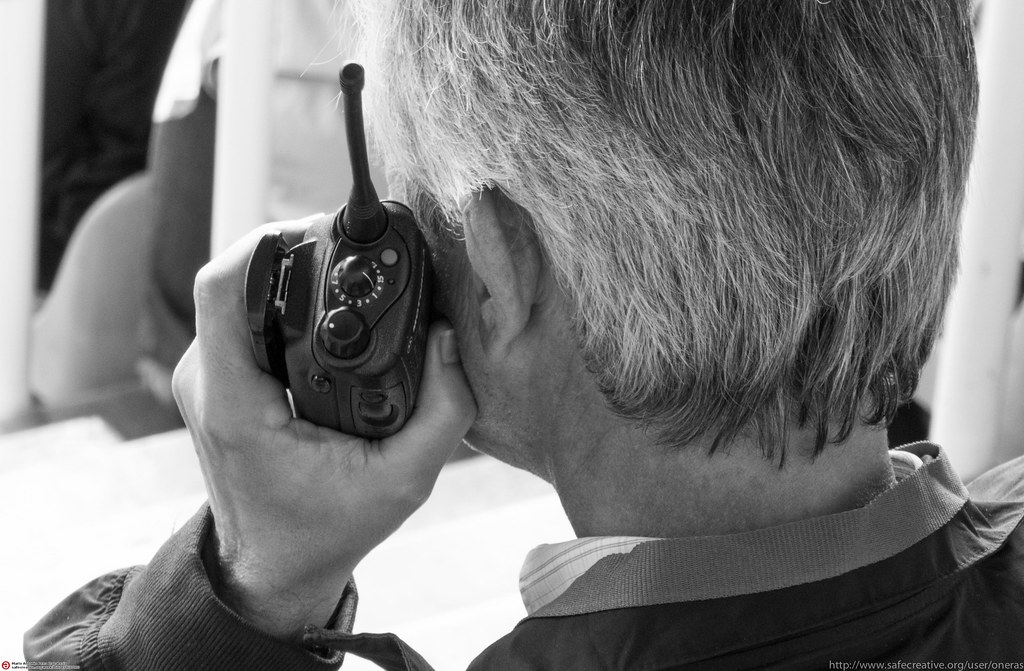
Two-way radios are a real, recurring market in Saudi Arabia: security companies, contractors on job sites, factories and warehouses, hotels, and the Kingdom's mega-events — from entertainment seasons to Hajj and Umrah operations — plus desert-trip and hunting enthusiasts, all need reliable walkie-talkies. China is the world's factory for these devices, with prices starting from a few dozen riyals. But pay close attention: this category differs fundamentally from other electronics, because devices that transmit on radio frequencies are strictly regulated by the Communications, Space and Technology Commission (CST), and ignorance of these rules means confiscation of the entire shipment — not just a delay.
Understand the Regulation Before You Look at Prices
Radio spectrum in Saudi Arabia is a sovereign resource managed by CST. The essentials:
- Device approval and import clearance: importing radio transmitters requires CST approval; unapproved devices are seized at customs.
- Permitted bands: requirements differ between short-range, low-power devices and professional high-power radios, which may require a frequency-use licence.
- Corporate use: large security and contracting firms often hold their own licensed frequencies — a genuine B2B opportunity if you supply radios programmable to their licensed channels.
- Before any order, verify the latest CST requirements for the specific model, band, and power output — never rely on a Chinese factory's claim of "global compatibility".
Where They Are Made in China
- Quanzhou, Fujian province: the de facto capital of China's walkie-talkie industry, home to globally known two-way radio brands.
- Shenzhen: advanced devices, network radios (PoC) running over SIM data, and accessories.
- Guangzhou: assembly, export offices, and wholesale markets.
Device Types and What to Import
- Budget analogue radios: the cheapest and most widespread for small sites and recreational use.
- Digital DMR radios: cleaner audio, encryption, better range — the rising choice for business users.
- PoC network radios: unlimited range over cellular data, ideal for fleets and security, requiring cellular-device approvals.
- Accessories: earpieces, batteries, multi-unit chargers — excellent margins and repeat sales.
Quality Checks at Inspection
- Real transmit power: demand actual wattage measurement — advertised figures are heavily inflated.
- Realistic range: "10 km range" in the catalogue usually means 1–3 km in urban environments. Field-test it.
- Battery: genuine capacity lasting a full 8-hour shift, with UN38.3 certification for shipping.
- Durability: dust and drop resistance are essential for Gulf work sites; IP54 or better for field use.
- Audio clarity in noise: test in a loud environment simulating a real job site.
Prices and Costs
- Budget analogue unit: approximately USD 7 to 16 (SAR 25–60) ex-factory, retailing at SAR 90–180.
- Digital DMR unit: approximately USD 24 to 67 (SAR 90–250) depending on tier.
- PoC network radio: approximately USD 32 to 80 (SAR 120–300).
- MOQ: usually 100 to 500 units, lower for ready-made models.
Add sea freight via Jeddah Islamic Port or King Abdulaziz Port in Dammam (approximately 18 to 30 days), customs duty around 5%, 15% VAT, and the cost of approvals and permits in your landed-cost calculation.
Mistakes That End in Confiscation
Importing radios on bands not permitted in the Kingdom; assuming SABER alone is enough and skipping CST clearance; falling for imaginary range and power claims; shipping batteries without UN38.3 documentation and having the carrier reject them; and selling high-power radios to individuals without explaining the regulatory requirements for use. In this category, compliance work done before the order is what makes the profit possible after it.
Golden rule: with radio equipment, regulatory approval comes before the deal — confirm the specific model can be cleared into Saudi Arabia before paying the factory a single riyal.
This category above all needs a partner who knows the road from both ends. The Terrace International field team in Guangzhou and Shenzhen verifies the factory, the technical specs, and the frequency bands, then manages pre-shipment inspection, approval files, and customs clearance step by step. Talk to us before your first order so your shipment arrives without surprises.
Related Articles

Product Import Guides
Importing Tablets and E-Readers from China to Saudi Arabia
Jul 16, 2026
Product Import Guides
Importing Car Dash Cams and In-Car Electronics from China to Saudi Arabia
Jul 14, 2026
Product Import Guides
Importing EV Chargers and Charging Stations from China to Saudi Arabia
Jul 12, 2026