Importing Electric and Solar Water Heaters from China to Saudi Arabia
Jun 06, 2026
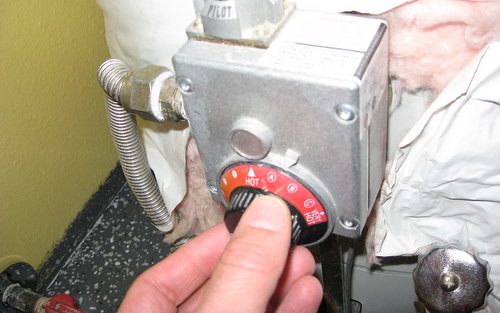
Water heaters are a staple product in every Saudi and Gulf home, with steady year-round demand that spikes sharply in winter and grows alongside new housing projects. As the Kingdom pushes energy efficiency under Vision 2030, demand for solar water heaters and efficient instant units is climbing fast. The opportunity for a smart importer is real, but this category is tightly regulated for good reason: it combines electricity, water, and pressure in one appliance. Any shortcut on certification or quality means a shipment stuck at the port, or worse, a liability problem no trader wants. This guide walks you through the category the way a specialist would, not a generic importing checklist.
Why China Leads This Category
China is the largest producer of water heaters on earth across every technology: electric storage, instant (tankless), solar thermal, and heat pumps. The supply chain is fully integrated, from enamel-lined and stainless tanks to heating elements, thermostats, and evacuated solar tubes. That integration delivers pricing no other country matches and full customisation flexibility: capacity, colour, branding, packaging, and even a digital control panel with an Arabic interface for your private label.
Where It Is Made: Cities and Clusters
- Foshan and Zhongshan (Guangdong): the heartland of electric storage and instant water heaters, with hundreds of factories offering full OEM programmes.
- Haining and Jiaxing (Zhejiang): the global capital of solar water heaters, both evacuated-tube and flat-plate systems.
- Ningbo: heating elements, thermostats, valves, and spare parts.
- Guangzhou: export offices, consolidation, packaging, and shipping through its nearby ports.
A physical factory visit instantly separates a manufacturer with a real enamel-coating line for tanks from a trader assembling cheap components in a small workshop. Ask to see the tank production line and pressure-testing station before committing.
Quality Standards That Protect Your Capital
- The inner tank: proper enamel coating or 304 stainless steel determines the heater's lifespan in the Gulf's hard, saline water. Request a corrosion test report.
- The magnesium anode rod: the sacrificial element that protects the tank from rust. Its absence or an undersized rod is the most common cost-cutting trick in cheap heaters.
- Pressure and safety valve: must handle local operating pressure with a safety margin; testing is non-negotiable.
- Thermal insulation: polyurethane foam density drives electricity consumption and your energy-efficiency rating.
- Electrical compatibility: Saudi Arabia runs on 220-230V at 60Hz, while many factories default to 50Hz production. Put the Gulf specification in writing on every order.
- For solar systems: evacuated-tube quality, frame resistance to wind and dust, and the ability to survive extreme summer heat without excessive losses.
Certification and Regulatory Requirements in Saudi Arabia
Water heaters fall under mandatory technical regulations. The essentials:
- SASO and SABER: product registration on the SABER platform with a Product Certificate of Conformity and a Shipment Certificate issued before loading. No clearance without them.
- The Saudi energy-efficiency label: mandatory for electric storage water heaters, requiring accredited laboratory testing of standing heat loss.
- Electrical safety testing: according to the relevant GSO standards, with reports from a recognised laboratory.
- Budget for 15% VAT and customs duty of approximately 5% (it varies by HS code) in your landed-cost calculation.
Costs, MOQs, and Shipping
- Electric storage heater, 50-80 litres: approximately USD 40-110 factory cost depending on tank and insulation quality.
- Instant water heater: approximately USD 20-70 depending on power rating.
- Complete residential solar system: approximately USD 160-550 depending on capacity and collector type.
- MOQ: typically 100-300 units for electric heaters; solar systems can start at 20-50 sets.
- Shipping: this heavy category moves entirely by sea, roughly 18-30 days to Jeddah Islamic Port or King Abdulaziz Port in Dammam, with packaging engineered to protect tanks from transit impact.
Common Mistakes Importers Make
The classics: skipping the energy-efficiency label and having the shipment rejected; accepting a poorly enamelled tank that perforates within a year in hard Gulf water; ignoring the 60Hz specification; buying solar heaters with plain steel frames that rust in coastal humidity instead of aluminium or properly galvanised steel; and never inspecting a sample from each production batch against a golden reference unit.
Golden rule: in water heaters, the inner tank you never see is what builds or destroys your reputation. Never ship without an independent inspection that opens and tests the tank.
The field team at Terrace International in Guangzhou and Shenzhen visits water-heater factories in person, negotiates the correct Gulf specification, and supervises pre-shipment inspection along with SASO, SABER, and energy-label procedures until your goods reach the port. Get in touch and import your water heaters with confidence.
Related Articles

Product Import Guides
Importing Tablets and E-Readers from China to Saudi Arabia
Jul 16, 2026
Product Import Guides
Importing Car Dash Cams and In-Car Electronics from China to Saudi Arabia
Jul 14, 2026
Product Import Guides
Importing EV Chargers and Charging Stations from China to Saudi Arabia
Jul 12, 2026