SASO/SABER Conformity by Product Type: Which Products Need What
Jun 15, 2026
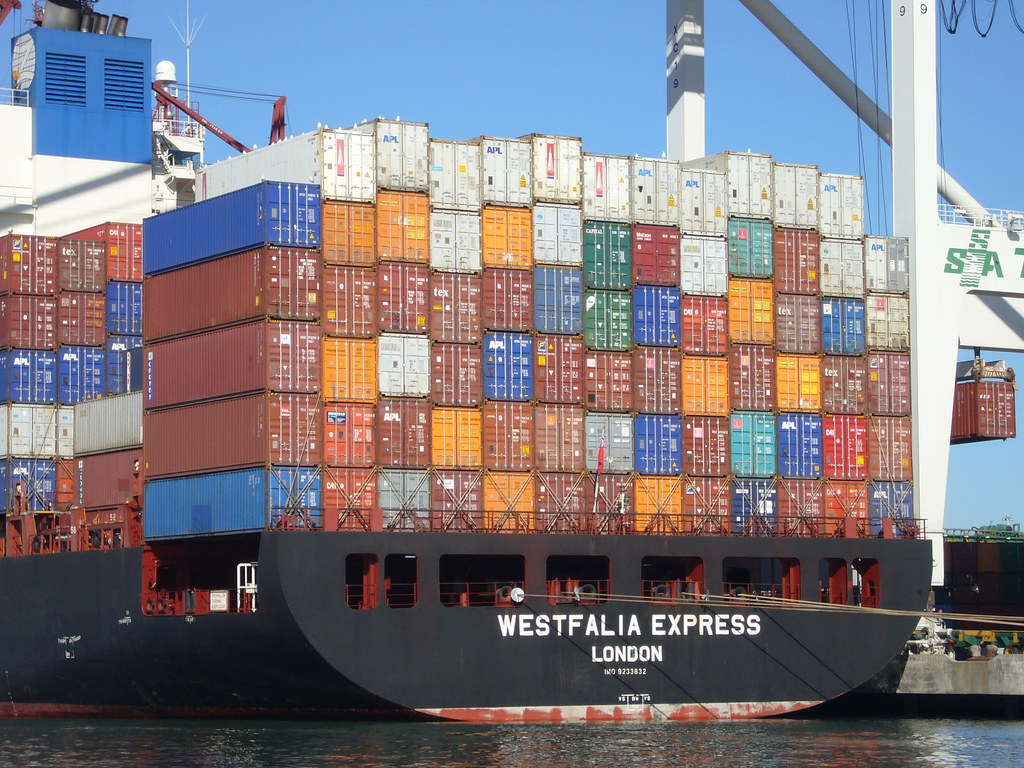
Saudi Arabia's product-safety system rests on the Saudi Standards, Metrology and Quality Organization (SASO) and is enforced at the border through the SABER platform. Many importers only discover the problem after the container has sailed: the certificate they paid for does not match their product category, or their goods fall under a technical regulation they never checked. This reference maps the product types Gulf buyers most often import from China to the specific conformity requirements that apply to each one.
Regulated vs. standard products: the first fork
SABER splits every shipment into two routes. Products covered by a specific technical regulation (such as electrical equipment, toys, or tires) need a Certificate of Conformity (CoC) issued by a SASO-approved certification body, followed by a Shipment Certificate (SC) for each consignment. Everything else moves on the standard products track, requiring only a Product Certificate of Conformity (PCoC) and an SC. The decisive question is therefore not whether you need SABER — almost everything does — but which technical regulation, if any, governs your HS code. Get that wrong and the approved body will reject your file or test against the wrong standard.
Electronics, electricals and chargers
This is the most heavily regulated category and the one that catches importers most often. Most plug-in goods fall under the Low-Voltage Electrical Equipment and Appliances technical regulation, which demands evidence of electrical safety (the IEC 60335 family) and electromagnetic compatibility (EMC). Large appliances — air conditioners, refrigerators, washing machines, water heaters — additionally require a SASO energy-efficiency label, and registration is often rejected without correct Arabic energy data. Chargers, adapters and power banks need safety testing, while products containing lithium batteries are treated as dangerous goods for shipping and should meet IEC 62133 and UN 38.3. Always confirm the factory can supply test reports against the IEC standard, not just a generic CE sticker.
Toys and children's products
Toys fall under the Saudi Toys Technical Regulation, broadly aligned with international toy-safety standards (ISO 8124 and EN 71). Approval covers mechanical and physical safety (small parts, sharp edges), flammability, and limits on heavy metals and phthalates. Packaging must carry an age-grading warning and importer details in Arabic. From a Chinese supplier, ask specifically for EN 71-1/-2/-3 reports; many factories default to documentation aimed at the US market (ASTM F963), which is not the reference Saudi labs expect.
Textiles, garments and footwear
Apparel, home textiles and footwear are governed by the textile technical regulation. The core requirements are a correct fiber-composition label in Arabic, country of origin, care instructions, and compliance with limits on formaldehyde and azo dyes. These goods rarely need lab-heavy testing, but mislabeled fiber content is a frequent rejection reason — confirm the composition with the factory before printing labels.
Building materials, tires and automotive
Construction inputs are tightly controlled: steel rebar, cement, electrical cables, tiles, sanitary ware, paints and insulation each sit under their own technical regulations, and structural products such as rebar usually require batch quality certificates. Tires have a dedicated regulation with mandatory labeling and an end-of-life component. Automotive parts, lubricants and batteries each have specific routes. Because these categories carry higher liability, insist on mill or factory test certificates up front.
What SABER does not cover
Two important categories sit outside SABER. Cosmetics, personal-care and food products are regulated by the Saudi Food and Drug Authority (SFDA) through its own platforms (such as GHAD for cosmetics), not SABER. Medical devices likewise go through the SFDA. Treating these as ordinary SABER goods is a common and costly mistake. Before you order, settle these steps:
- Identify your HS code and check whether it maps to a SASO technical regulation or the standard track.
- Ask the factory for test reports against the exact IEC/ISO/EN standard Saudi labs require, not a generic report.
- Confirm Arabic labeling needs early — energy labels, fiber content, age grading, importer name.
- Engage your approved certification body before production, so non-compliant goods are caught before they ship.
- For SFDA categories, register on the correct platform — not SABER.
Matching the right certificate to the right product category is where most border delays and re-tests are born. Terrace International, with teams on the ground in Guangzhou and Riyadh, audits your supplier's documentation against the correct Saudi technical regulation before you pay, coordinates testing with approved bodies, and clears your SABER file so your container lands without surprises. Talk to us before you place your next order from China.