Sea Freight vs Air Freight: Cost, Speed & When to Choose
Jun 21, 2026

Every importer buying from China faces the same fork in the road: ship by sea or fly it in? The answer is rarely about preference and almost always about math — the relationship between your product's value, weight, volume and how fast you genuinely need it on the shelf. Get this decision right and you protect your margin; get it wrong and a single shipment can wipe out the profit on an entire order.
The real difference: chargeable weight, not just price per kg
The most common mistake is comparing the sea price-per-kg directly against air. Airlines bill on chargeable weight, calculated by dividing the volume in cubic centimetres by 6000. So if your goods are light but bulky — think furniture or plastic homeware — you may pay for three times their actual weight by air.
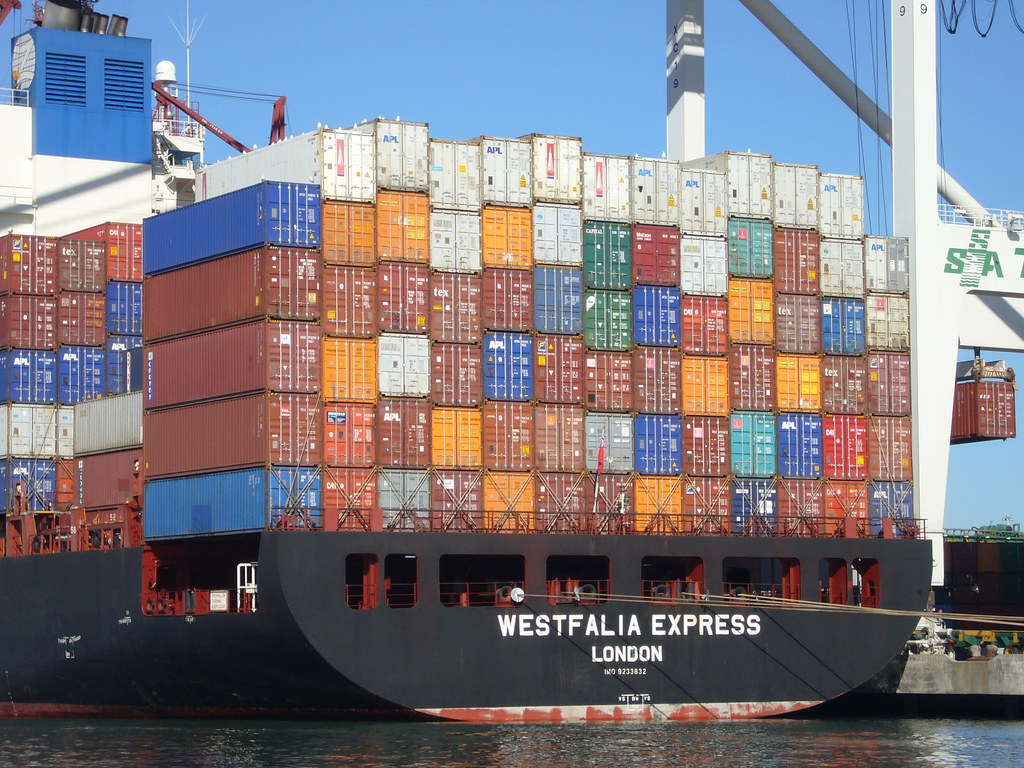
Sea freight, by contrast, is priced by full container load (FCL) such as 20ft or 40ft, or by consolidated cargo (LCL) per cubic metre. The golden rule: sea loves volume and weight, air loves small, high-value goods.
When sea freight wins
Sea freight from Guangzhou and Shenzhen to Jeddah Islamic Port or King Abdulaziz Port in Dammam typically takes 18 to 30 days depending on the shipping line. It is the smart choice when:
- Your quantity is large enough to fill a 40ft container or more.
- Speed is not critical — regular replenishment stock, for example.
- Goods are heavy or bulky relative to their value, such as tiles, furniture and equipment.
A full 40ft container can cost USD 1,500 to 3,500 depending on the rate season, and that cost is fixed whether you fill it or not — so using every cubic metre dramatically lowers your per-unit cost.
When air freight earns its premium
Air freight from China to Riyadh or Jeddah usually takes 5 to 8 days, and express courier even less. But it is billed on chargeable weight and can run USD 4 to 8 per kg depending on season. Choose it when:
- Goods are high-value and light — electronics, accessories, samples.
- You face a stockout that threatens sales, or must hit a launch date.
- The value of time exceeds the cost gap, as with seasonal products.
The practical rule: if the air premium over sea is smaller than the margin you would lose to a stockout, air is genuinely the cheaper decision.
A simple three-step decision framework
- Calculate shipment density: total weight divided by volume in cubic metres. High density leans sea; low density leans air or signals you should rethink packaging.
- Compare total landed cost per unit: add freight to the product price and divide by the number of pieces in each method. Never compare totals — compare the cost of one piece at your door.
- Price the time: what does each week of delay cost you in lost sales or tied-up capital? Put that number into the equation.
Hidden costs many importers forget
Whatever the method, the SABER conformity requirement still stands — it is identical for sea and air. Sea also carries the risk of demurrage and port storage fees if clearance is slow, while air adds airport handling charges. Always cost the shipment all the way to your warehouse door, not just to the port — that is where profit is actually decided.
LCL, FCL and express: the options in between
The sea-versus-air choice is not always binary. If your volume is below 15 cubic metres, consolidated LCL shipping lets you share a container and pay only for the space you use, though it adds handling time at both ends. Once you regularly exceed that volume, a full FCL container almost always wins on per-unit cost. On the air side, standard air freight moves airport-to-airport and still needs clearance, while express courier services handle door-to-door including clearance for smaller parcels — faster but pricier per kg. Matching the exact mode to each order, rather than defaulting to one, is where experienced importers protect their margins.
At Terrace International we have an on-the-ground team in China and an office in Riyadh. We weigh sea against air for each shipment individually, and manage booking, customs clearance and SABER requirements so your goods reach your warehouse at the lowest cost and shortest time possible. Contact us today to plan your next shipment together.