Receiving Quality Control at Your Saudi Warehouse: The Last Line of Defense
Oct 29, 2025
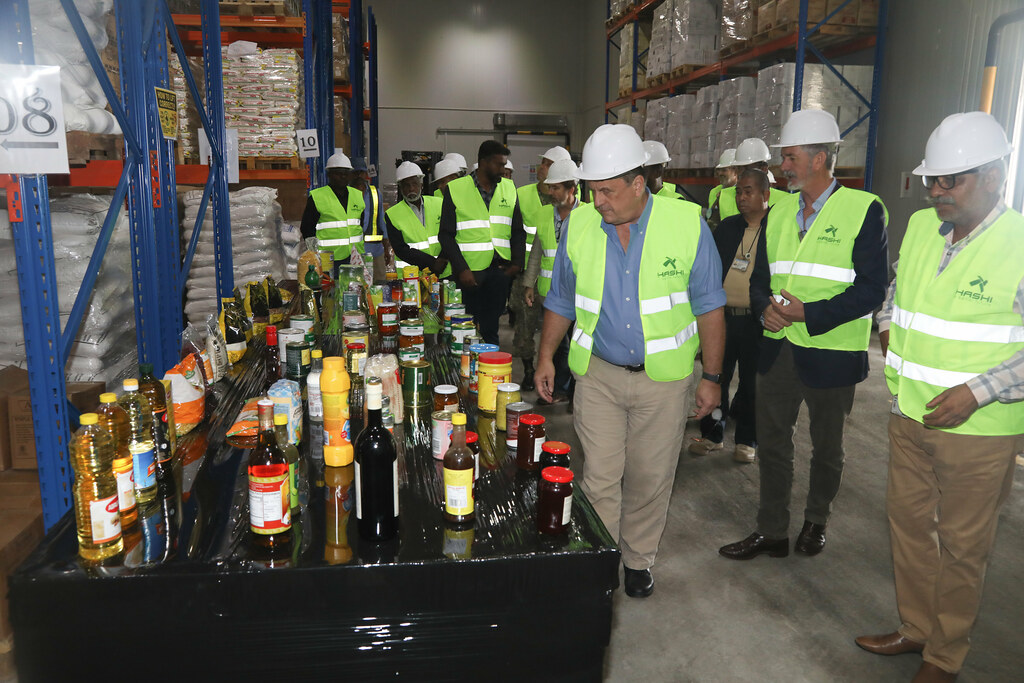
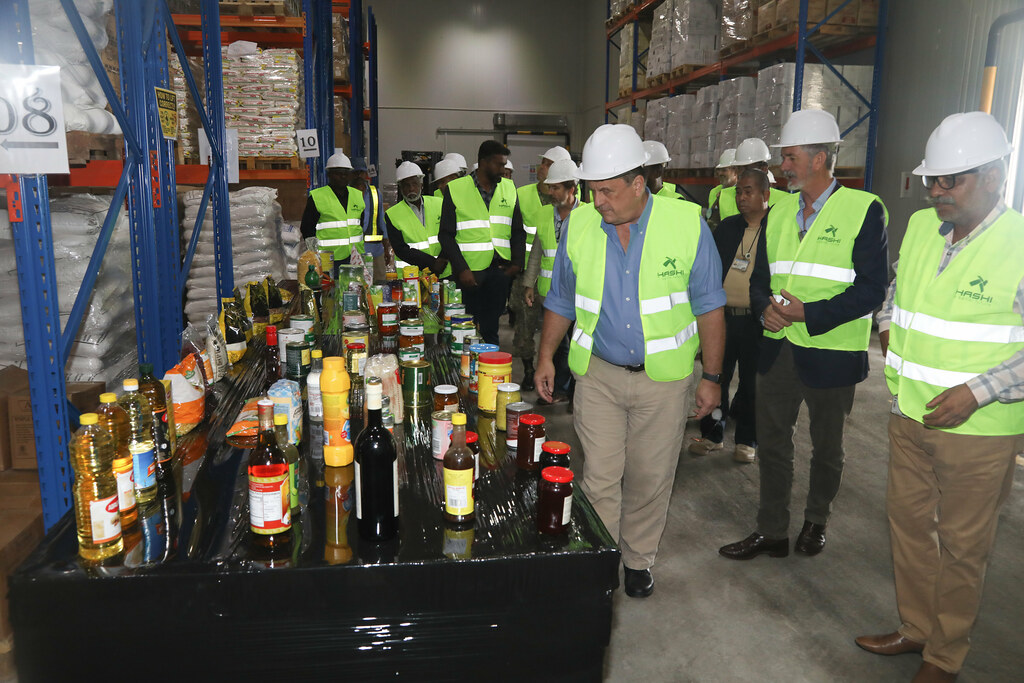
Many importers assume quality control ends with the pre-shipment inspection at the Chinese factory. In reality, your goods then face a sea voyage of roughly 18 to 30 days to Saudi Arabia, repeated handling at ports, customs clearance, and a final truck leg to your warehouse. Every one of those stages can create new damage or reveal defects that never showed up earlier. Receiving QC at your Saudi warehouse is the last line of defense before products reach your customers, and it is also your only real evidence in any claim against the supplier, the freight forwarder, or the cargo insurer. This guide walks through how to build a professional receiving process even with a small team.
Why Pre-Shipment Inspection Alone Is Not Enough
A pre-shipment inspection (PSI) is normally done on a statistical sample of cartons, meaning most pieces are never individually checked. Transit damage, by definition, happens after the inspector leaves: container condensation during the humid Gulf summer, poor stuffing and load shifting inside the box, shocks during loading and discharge, and cartons opened by customs for examination. There is also the uncomfortable possibility that a dishonest factory swaps inspected goods for cheaper stock after the inspector signs off. Receiving QC closes all of these gaps and gives you a final, documented picture of what you actually paid for.
Before Opening the Container: Document Everything
The most important moment of receiving happens before the seal is broken. Follow this sequence:
- Photograph the container number and the seal number, and compare them against the bill of lading. A mismatched seal number is a serious red flag that the container was opened in transit.
- Photograph the exterior: door condition, dents, rust streaks, and any signs of water ingress.
- Record one continuous video of the seal being cut, the doors opening, and the first view of the cargo exactly as it arrived. That single clip is powerful evidence in claims.
- Before unloading a single carton, check for musty odors, visible moisture, or mold, which point to condensation damage.
Sampling Plan: Inspect Thoroughly Without Paralyzing Your Warehouse
Checking every piece in a large shipment is rarely practical, so borrow the logic of the internationally recognized AQL sampling approach:
- Pull sample cartons from the front, middle, and rear of the container, never just the first accessible row.
- For shipments up to about 1,000 pieces, inspect roughly 80 units; scale the sample up for larger lots following standard AQL tables.
- Classify defects as critical (shipment-level rejection), major, and minor, and agree acceptable limits for each class with your supplier in the purchase contract, before the goods ship.
- Compare each batch against the approved golden sample you retained when the order was confirmed.
What Exactly to Check
Focus on six areas: quantity reconciliation against the packing list; conformity of models, colors, and sizes against the purchase order; condition of inner and outer packaging; core product function through an actual power-on or usage test; correctness of Arabic labeling and SASO/SABER-related markings where applicable; and moisture or breakage damage. Set up a permanent receiving bench with good lighting, a scale, a tape measure, and a basic electrical tester if you deal in electronics. A fixed station with a checklist beats improvised inspections on the loading dock every time.
Documentation and Claims: Your Window Is Short
Most carriers and cargo insurers require visible damage to be reported within a short period after delivery, typically somewhere between 3 and 14 days depending on the contract, so review your policy and inspect immediately on arrival. A strong claim file contains: seal and container photos, the opening video, damage photos with a measuring reference in frame, a written and dated inspection report, and an itemized list of affected units. For claims against the Chinese supplier, send the report with photos within days and negotiate either a discount on the next order or free replacement pieces added to it; in practice, this is the remedy suppliers accept most readily, far more than cash refunds.
Golden rule: never release goods to customers or branches before receiving QC is complete and documented. Once stock leaves your warehouse, your right to claim on it is usually gone.
Turn Receiving Data into Supplier Scorecards
Create a simple file per supplier recording each shipment's inspection outcome: defect rate, quantity accuracy, packaging quality, and labeling errors. After three or four shipments you will hold real performance data you can use to negotiate prices and payment terms, decide who earns bigger orders, and identify who must be replaced. This data is worth more than any promise a supplier makes on WeChat.
And if you want the loop closed from the China side as well, Terrace International operates a field team in Guangzhou and Shenzhen that inspects goods at the factory before shipment, supervises and photographs container loading, and manages negotiation, freight, and customs on your behalf, so that receiving QC at your Saudi warehouse becomes a final confirmation rather than an unpleasant surprise. Get in touch and let us build a complete quality chain from the factory gate to your warehouse door.