Avoiding Demurrage & Port Storage Fees: A Practical Guide
Apr 28, 2026
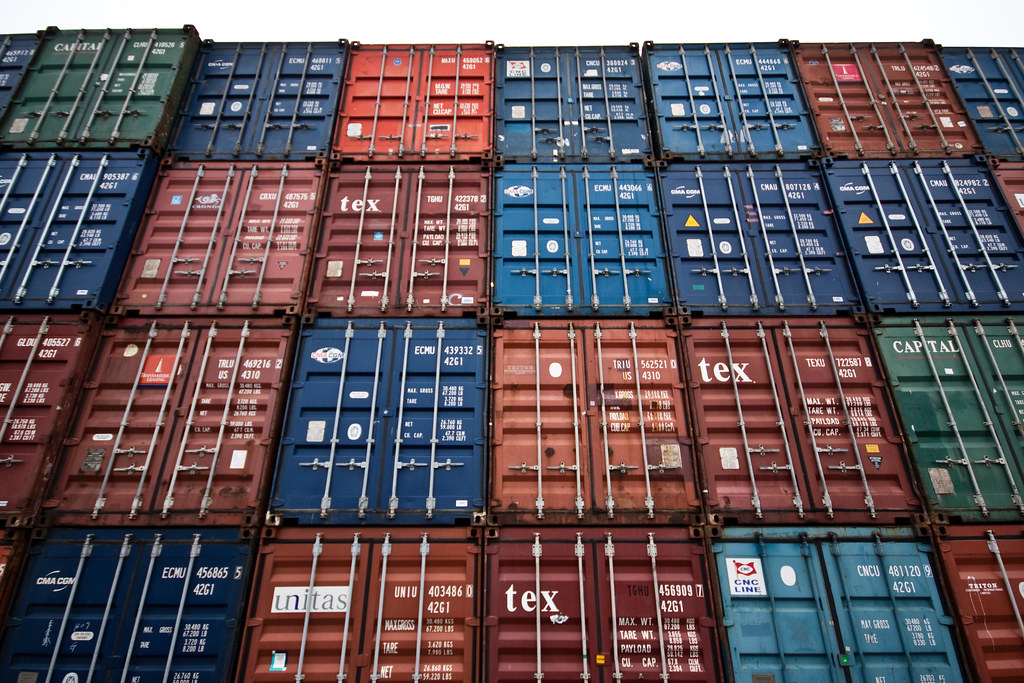
Few charges surprise and anger importers like demurrage and storage fees. Your goods arrived intact, but they are stuck at the port, and the meter ticks every day in hundreds — even thousands — of riyals. The good news is that these fees are mostly entirely avoidable, because they are not fate but the result of a delayed step that could have been done earlier.
Three terms everyone confuses
Proper understanding starts by distinguishing three completely different charges:
- Demurrage: charged by shipping lines when the container stays inside the port beyond the free days — that is, you were late getting it out of the port.
- Detention: charged when you take the container out of the port and are then late returning it empty to the shipping line.
- Storage: charged by the port operator itself for goods remaining in its yards beyond the free period.
The practical difference: demurrage and storage are about goods staying at the port, while detention is about returning the empty container late. More than one charge can hit you at the same time.
Why do these fees pile up?
Shipping lines and ports grant you free days, often 5 to 7, starting from the vessel's arrival. The problem is the meter starts whether you are ready or not. The most common reasons for exceeding this period are:
- Incomplete clearance documents or mismatched figures between them.
- Delayed SABER certificate issuance until after the shipment arrives.
- Late payment of customs duty and VAT.
- The shipment being selected for physical inspection without preparation.
- Failing to arrange a truck to move the container as soon as it is released.
Practical steps to avoid the fees
- Prepare documents before sailing: check that the invoice, packing list and bill of lading match before the vessel leaves China, not after it arrives.
- Issue SABER early: before shipping, not after — it is one of the most common causes of holds.
- Have liquidity ready: calculate duty and VAT before arrival and keep funds ready for immediate payment.
- Start the customs declaration before arrival: the declaration and documents can be filed before the vessel berths to get ahead of the clock.
- Arrange transport in advance: book the truck to be ready the moment of release, instead of looking for one afterwards.
- Negotiate longer free days: when booking freight with a line, extra free days can be negotiated into the contract.
What to do if fees have already accrued
If fees do hit, do not ignore them — they compound daily and the tariff can escalate after certain periods. Contact the shipping line or its agent immediately; some lines accept a settlement or reduction, especially for regular clients. More importantly, analyse the cause of the delay and record it so it does not repeat on the next shipment — recurring fees are usually symptoms of a fixed flaw in preparation.
Free time at Saudi ports in practice
Free time is negotiable and varies by line and contract, but a realistic baseline at Jeddah Islamic Port and King Abdulaziz Port in Dammam is around five to seven combined free days before charges begin, and the daily rate often steps up in tiers — the longer you wait, the more each extra day costs. During peak seasons, after long holidays, or amid port congestion, yards fill and inspections slow, so the same delay that cost little in a quiet month can be punishing in a busy one. Build a buffer into your planning for high-traffic periods, and never assume last shipment's timeline will repeat. Treat free time as a deadline you manage actively, not a grace period you hope is enough.
Avoiding these fees takes no luck, just a team that tracks the shipment moment by moment and starts procedures before arrival. At Terrace International we coordinate documents, SABER, clearance and local transport in parallel with the shipment's journey, so your container leaves Jeddah or Dammam within the free days at the lowest possible cost. Contact us to protect your profit from fees you can avoid.