Importing Cars from China to Saudi Arabia: A Practical Guide
Jun 05, 2026
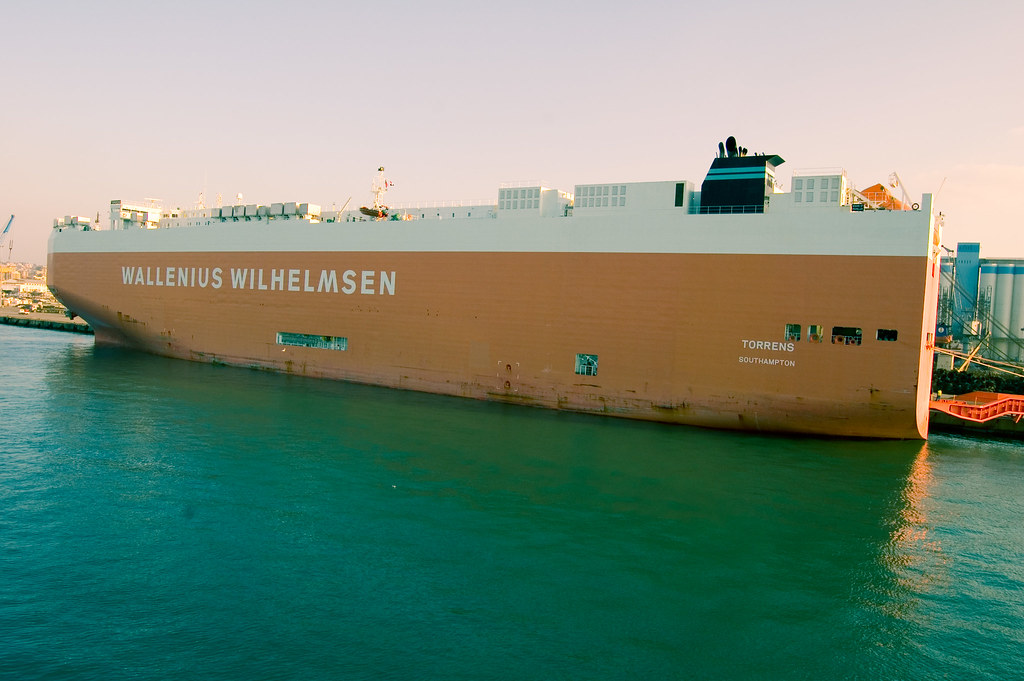
Chinese cars are no longer what they were ten years ago. Brands like MG, Chery, Geely, and BYD are now a strong presence on Saudi roads, and Chinese electric vehicles compete globally on price and technology. This has opened a door for dealers and individuals to import directly at an attractive margin. But importing a car from China to Saudi Arabia is not as simple as buying an ordinary product; there are GCC specifications, customs regulations, and strict technical requirements that can block your car's registration if you ignore them. This guide shows you the correct path from start to license-plate registration.
GCC Spec: The Most Important Rule
This is where most new importers fail. The Saudi market requires GCC-spec vehicles, which are engineered to withstand high heat and differ from Chinese-domestic or European specs in several fundamental ways:
- Cooling system: a stronger radiator and AC to handle summer temperatures above 50°C.
- Odometer: kilometers, not miles.
- Display and system language: Arabic support is preferred and sometimes required for after-sales service.
- Fuel compatibility: and the emission standards approved in the Kingdom.
A Chinese-domestic-spec car may not be registrable in Saudi Arabia or may face problems with service and warranty. Always get written confirmation that the car is GCC Spec before paying any amount.
Customs Regulations and Vehicle Age
Before any step, check the requirements of the Zakat, Tax and Customs Authority and the Saudi Standards Organization. Key points:
- New cars: the easiest to import, requiring a conformity certificate via the SABER platform.
- Used cars: there are restrictions on operating age, and some categories and models are banned from import, so check the updated list before buying.
- Customs duties: usually calculated as a percentage of the vehicle value including freight and insurance (CIF), plus VAT on the total value.
Electric Vehicles: An Opportunity With Conditions
China is the world's leading EV manufacturer, and factory prices are attractive compared with other markets. But before you import an electric car, watch for the following:
Infrastructure and Charging
Confirm the charging port matches the standards approved in Saudi Arabia, and that a charging network exists in your city and along your travel routes.
Battery and Warranty
The battery is the most expensive component in an EV and represents a large share of its value. Demand a clear warranty on it (usually 8 years or a set mileage) and document the battery's State of Health on receipt with a technical report.
Calculating the True Landed Cost
The factory price is only the beginning. The total cost to your garage, ready to drive, includes:
- The car price from the factory or showroom.
- Sea freight, usually via dedicated RoRo vessels or inside containers.
- Cargo insurance against transit damage.
- Customs duties and VAT.
- Conformity certificate and periodic technical inspection fees.
- Inland transport, registration, and plate issuance.
Calculate all of these before deciding, because the gap between the advertised price and the final cost can reach 30 percent or more — enough to turn a profitable deal into a losing one.
Common Mistakes to Avoid
- Paying in full to an unknown dealer without verifying the trade license and reputation.
- Skipping a physical inspection before shipping, as photos and videos can hide defects.
- Ignoring spare-parts cost and brand availability inside Saudi Arabia.
- Not confirming registrability before purchase, especially for older or non-approved models.
The Documents You Will Need
Clearance and registration cannot be completed without correct, matching paperwork, and any gap holds your car at the port. Prepare in advance:
- Commercial Invoice: with the car's true value, since manipulating it is a customs violation.
- Bill of Lading: and certificate of origin documents.
- SABER conformity certificate: tied to the car's actual chassis number (VIN).
- Proof of ownership: and the manufacturer's technical specification card.
Make sure the chassis number matches across all these documents and the physical car; any discrepancy stops the whole process.
Choose Trustworthy Over Cheapest
The biggest risk in car importing comes from dealing remotely with a party you don't know. Having someone physically inspect the car in China — confirming the chassis number, specs, and condition before shipping — protects you from losing tens of thousands of riyals on a car that doesn't match what was ordered.
At Terrace International, our team in China inspects the car on the ground, confirms GCC-spec compliance, and manages shipping, clearance, and conformity until your car arrives ready to register. Contact us before you wire your first riyal and spare yourself the risks and surprises.