Private Label vs White Label: Sourcing Your Own Brand
May 12, 2026
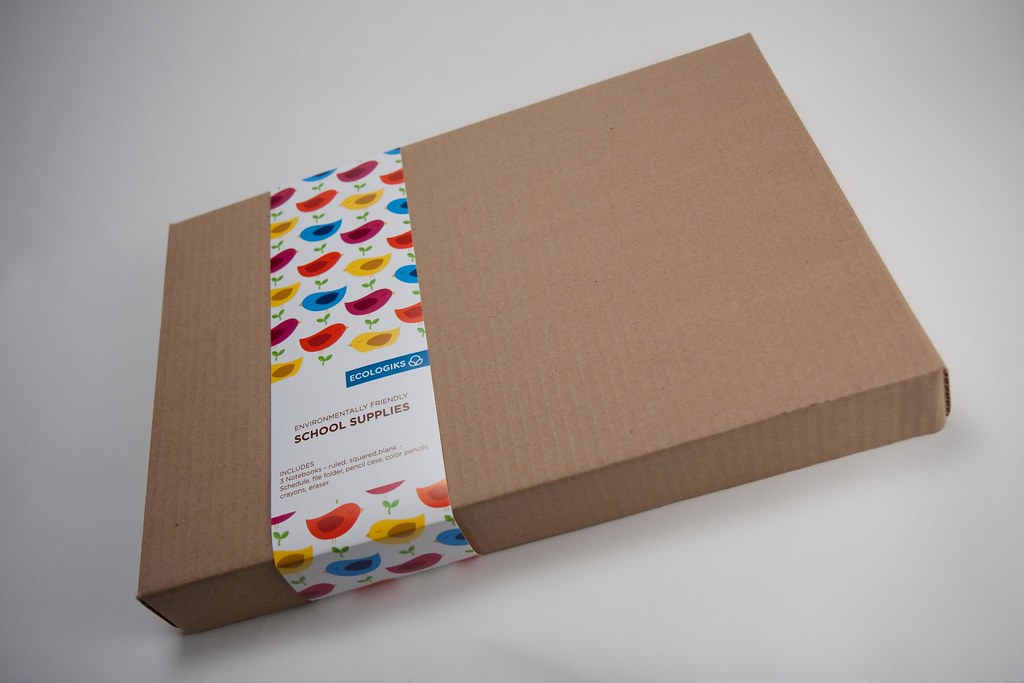
You want to launch your own brand, and you've heard of "private label" and "white label," but you may use them as if they were the same thing. This common confusion can cost you a wrong decision that affects your profit margins and your differentiation in the market over the long term. The difference between the two models is fundamental, especially when you build your brand through products imported from China. Let's clarify each and when to choose it based on the nature of your project.
What is White Label?
In the white-label model, the factory makes one standard product and sells it to several merchants, each placing their own brand and packaging on it. The same product exists under different names in the market. Think of a generic product like a standard Bluetooth speaker, a power bank, or a supplement with a ready-made formula.
- Speed to launch: very high; the product is almost ready to ship right after printing your brand.
- Upfront cost: low; no development, tooling, or research.
- Differentiation: weak; your competitors may sell the same product under a different brand at a lower price.
What is Private Label?
In the private-label model, the product is made exclusively for you, with specifications, a formula, or a design you modify, and it is not sold to others in the same form. Here you control packaging, ingredients, quality, and sometimes the product's functions and form.
- Speed to launch: slower; it needs development, samples, and approvals.
- Upfront cost: higher, and may require a larger minimum order.
- Differentiation: strong; a product your competitors don't own with the same specs and identity.
Simple rule: white label sells an existing product under your name; private label sells a product designed for you. The first is faster, the second more defensible long term and harder to copy.
Which Suits Your Project?
Choose white label if
- You want to test the market fast with the least possible capital.
- You build your strength on marketing, distribution, and service more than the product itself.
- The product is a general consumer category that doesn't require technical differentiation.
Choose private label if
- You plan to build a long-term brand with a clear identity and customer loyalty.
- You want to protect your margin from direct price competition on the same product.
- You have a vision for a product better than or different from what's currently available.
Risks to Watch For
In both models, importing from China carries risks that must be managed smartly so a promising brand doesn't turn into a loss:
- Inconsistent quality: the first sample is excellent but bulk production may decline. Pre-shipment inspection is essential on every batch.
- Brand theft: in private label especially, register your trademark early in China and Saudi Arabia and sign an NNN agreement.
- Saudi market conformity: products like food, cosmetics, and electronics need conformity certificates via the SABER platform. Confirm this before ordering, not after the shipment arrives.
- Packaging and regulatory requirements: Arabic labeling, usage instructions, expiry date, and the importer company's details on the package.
Margin and Cost: See the Full Picture
Don't compare the two models on the factory per-piece price alone. White label has a lower upfront cost but its margin erodes quickly as competitors enter selling the same product. Private label costs more at first (development, tooling, larger quantities), but it lets you command a higher price and build customer loyalty that protects your margin long term. Calculate the true unit cost including freight, customs, conformity, and packaging before setting your selling price, then decide which model delivers sustainable profit for your project, not a one-time win.
How to Start the Right Way
Begin by studying your target market and decide whether differentiation is essential or speed matters more at your current stage. Then request samples from more than one supplier, compare quality, cost, and lead time, and negotiate the minimum order and exclusivity rights. Never build a brand on a product you haven't seen and tested with your own hands; a photo doesn't reveal true quality.
At Terrace International, we help you choose the right model for your brand, find a trustworthy factory, secure real samples, and handle negotiation, quality, shipping, and conformity from China to your warehouse in Saudi Arabia. Contact us to build a brand that endures and grows in the market.