Importing Industrial Equipment & Production Lines from China
Jun 17, 2026
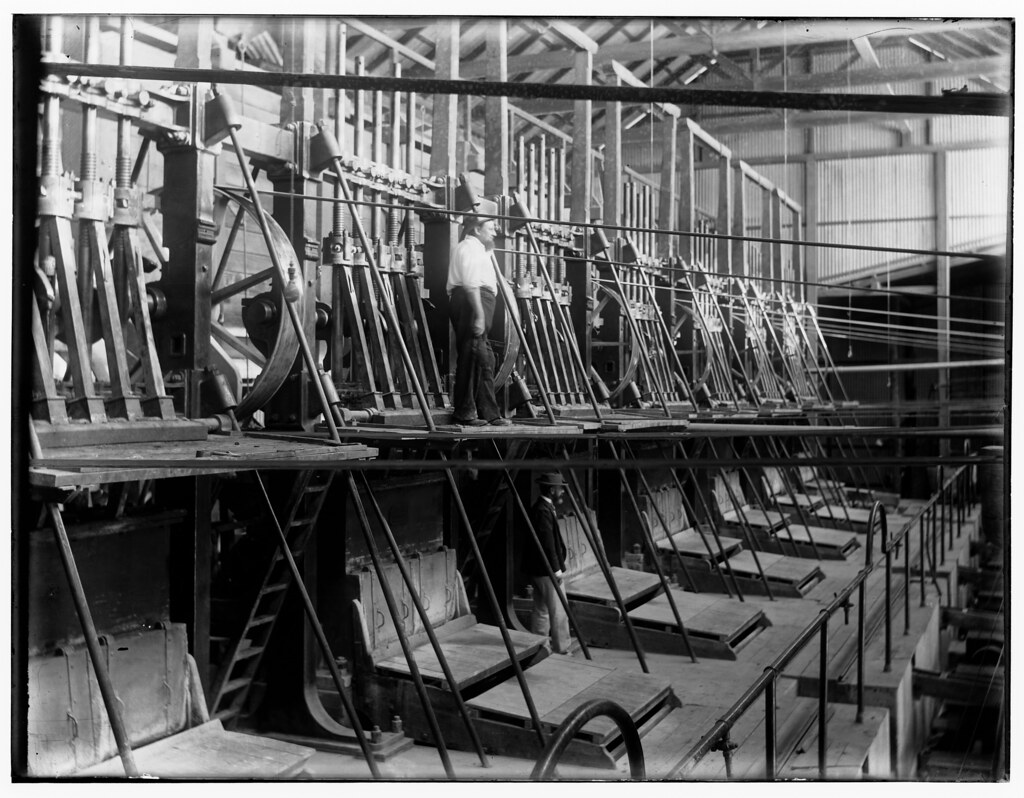
Importing a single machine is one thing; importing a complete production line is a different challenge entirely. When you are talking about hydraulic presses, plastic injection machines, packaging lines, or metal fabrication equipment, you are dealing with an investment that can reach hundreds of thousands of riyals — equipment that must run reliably for years inside your facility in Riyadh, Dammam, or Jeddah. One mistake in selection or inspection can mean production downtime and daily losses that exceed the price of the machine itself. This guide explains how to import industrial equipment from China professionally while protecting your capital and securing your operational continuity.
Define Your Technical Specs Before Searching for a Supplier
The biggest mistake importers make is asking "what is the price?" before defining the specifications. A Chinese factory will give you the price you ask for, but it may quietly offer a lower-spec machine to fit your budget. Write a technical spec sheet that covers at least:
- Required output capacity: pieces per hour or tons per day, in precise numbers, not vague phrases.
- Electrical supply: Saudi Arabia runs on 380V / 60Hz, while much Chinese equipment is built for 50Hz. Confirm compatibility or request a documented factory modification.
- Named key components: specify Schneider or Siemens for the electrical system, and known brands for motors and bearings, rather than leaving the choice to the factory.
- Acceptance criteria: allowed reject rate, final-product accuracy, noise level, and power consumption.
Choose the Factory, Not the Middleman
Many advertisers on online platforms are trading companies, not factories. The price is higher because of a hidden margin, and accountability is weaker when something goes wrong. To confirm you are dealing with a real manufacturer:
- Request the Chinese Business License and verify its scope of activity actually includes manufacturing.
- Ask for a live video of the production line running, not stock photos that may belong to another factory.
- Request references of past Gulf clients and contact them about their experience.
- Ask for a CE or ISO 9001 certificate tied to the factory's own name, not a middleman's.
Golden rule: never wire a large deposit before a neutral on-the-ground team has visited the factory and verified that it exists and can actually produce. Paying upfront to a phantom factory is the single most common form of fraud.
Factory Acceptance Test (FAT) Before Shipping
Heavy industrial equipment is not inspected after it arrives — it is tested before it ships. A Factory Acceptance Test means running the machine at the factory with your representative or an independent inspector present, ideally using your real raw materials. During the test, verify:
- Dimensions and weight match the specifications agreed in the contract.
- All functions work and the declared output rate holds under real load, not a quick demo.
- Quality of welds, assembly, electrical systems, and control panels.
- Fast-wearing spare parts and English-language technical manuals are included.
Request a documented report with video and photos of every step; it is your reference if a dispute arises later.
Shipping, Customs & Conformity
Industrial equipment usually ships in containers or as Out-of-Gauge cargo for large machines. Plan early for the following:
Sea Freight
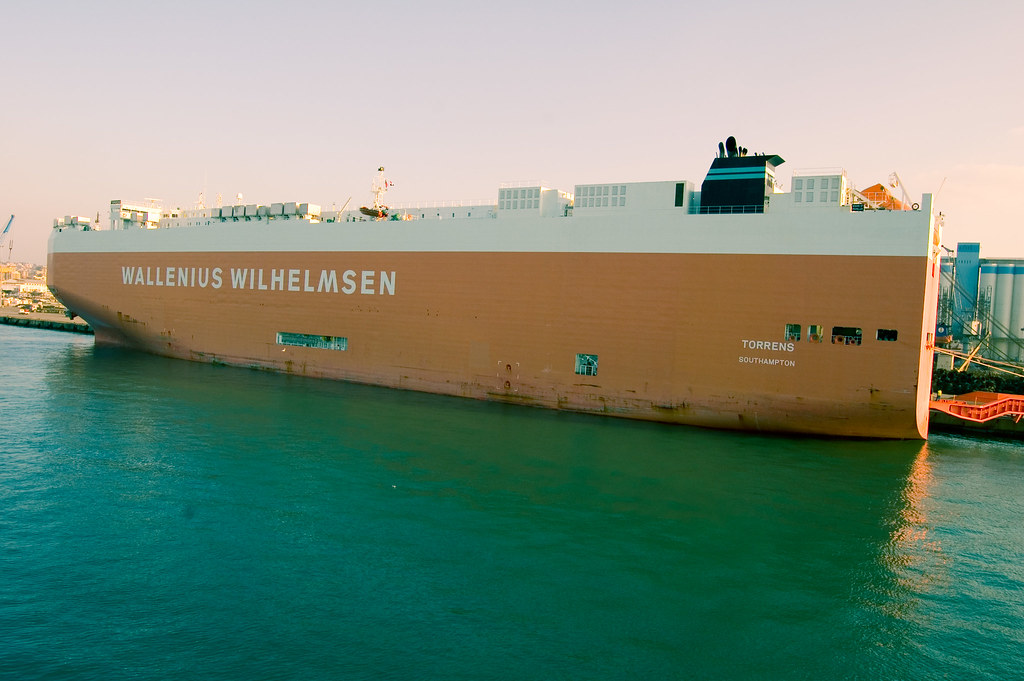
This is the economical option via Jeddah Islamic Port or King Abdulaziz Port in Dammam. Oversized machines may need special lifting equipment at the port and abnormal-load inland permits, so factor these costs into your budget.
Conformity & Clearance
Most industrial equipment requires a conformity certificate through the SABER platform under the approved regulatory programs. Start the conformity process with an accredited body early, because cargo held at the port awaiting conformity means costly daily demurrage that can pile up over weeks.
Calculate the Total Cost to Commissioning
The factory price is only part of the equation. The true cost to running the machine includes: sea freight and insurance, customs duties and VAT, conformity fees, inland transport and crane unloading, plus installation and the electrical and mechanical groundwork at your site. Add all of these together before deciding so you know the real cost per unit of production.
Installation, Commissioning & Warranty
Agree from the start that the factory will send an engineer to supervise installation, trial operation, and training of your team in operation and maintenance. Define clearly in the contract: the warranty period (at least one year), availability of fast-wearing spare parts for years, and remote technical support with a set response time. These clauses protect your investment long term and reduce the risk of production downtime.
At Terrace International, our on-the-ground team in Guangzhou visits factories, manages acceptance tests, and follows shipping and conformity all the way to installing and commissioning the machine in your plant. Contact us to import your production line from China with confidence and minimal risk.