Importing Fish Farming (Aquaculture) Equipment from China to Saudi Arabia
Feb 20, 2026
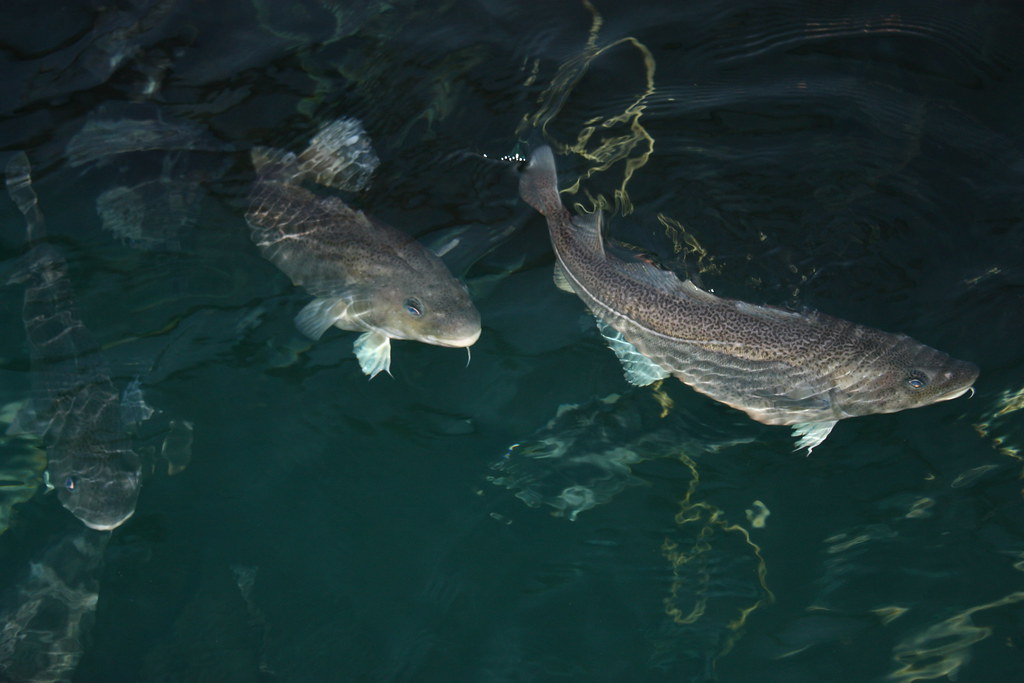
Aquaculture is one of the fastest-growing agricultural sectors in Saudi Arabia, backed by ambitious national targets to scale up local fish and shrimp production under Vision 2030 programs, flagship projects along the Red Sea and Arabian Gulf coasts, and a wave of inland farms built on recirculating systems. All of that expansion needs equipment: tanks, pumps, aeration and oxygenation systems, biofilters, feeders, and sea cages. China is by far the world's largest producer of farmed fish, which has also made it the largest and most cost-effective source of equipment for this industry.
Why China for Aquaculture Equipment
More than half of global aquaculture output comes from China, and that scale has matured an equipment industry serving every production system: earthen ponds, circular tanks, closed recirculating aquaculture systems (RAS), and floating cages. In China you can source everything from a USD 100 paddle aerator to a complete RAS installation worth hundreds of thousands, with high customization flexibility and prices approximately 30-50% below equivalent European or American equipment.
Where It Is Made: The Cluster Map
- Guangdong (Guangzhou, Zhongshan, Jiangmen): air pumps, paddle-wheel aerators, feeders, and pond equipment — conveniently close to a field team based in Guangzhou.
- Fujian (Xiamen and Fuzhou): floating HDPE sea cages and marine farming systems.
- Shandong (Qingdao): RAS systems, biofilters, and intensive-farming equipment, supported by strong research institutions.
- Zhejiang: nets, ropes, floats, and plastic consumables.
Core Equipment and Realistic Prices
- Paddle-wheel aerators: approximately USD 150-400 for a 1.5 kW unit — the backbone of pond farming.
- Roots blowers: approximately USD 300-1,500 depending on capacity.
- Circular HDPE or PVC-liner tanks with galvanized frames: approximately USD 500-3,000 depending on volume (10-100 cubic metres).
- Oxygen generators and nano-bubble diffusers: from hundreds to thousands of dollars by capacity.
- Automatic feeders: approximately USD 100-600 per unit.
- Complete RAS packages: priced per project, commonly USD 200-800 per cubic metre of rearing volume depending on technology level.
Production lead time is usually 20-45 days, and sea freight to Jeddah Islamic Port or King Abdulaziz Port in Dammam takes approximately 18-30 days. Budget customs duty of approximately 5% on most lines (check agricultural exemptions) plus 15% VAT.
Quality in a Harsh, Saline Environment
Most Saudi aquaculture runs on seawater or brackish well water, and salinity devours cheap equipment:
- Corrosion resistance: specify 316 stainless steel shafts and fasteners for marine equipment and hot-dip galvanizing for frames; cheap 201 stainless rusts within months.
- Virgin HDPE floats and liners: recycled plastic cracks under intense UV exposure.
- Motor protection: require IP55 or higher with insulation suited to salty humidity, and confirm 60Hz specification for the Saudi grid instead of China's default 50Hz.
- Spare parts: paddles, membranes, and sensors are consumables; order 10% extra with every shipment.
- Run testing: inspect equipment running at the factory and measure actual power draw against the claimed rating.
Regulatory Requirements and Clearance
Electrical equipment — pumps, aerators, panels, oxygen generators — requires SABER platform registration and SASO conformity certificates. Aquaculture projects themselves are licensed by the Ministry of Environment, Water and Agriculture, so make sure your farm licensing is in order before the hardware lands. Never slip veterinary treatments or feed additives into an equipment shipment; those follow separate registration tracks and can hold up the entire container.
Common Mistakes in This Category
The most expensive ones: designing a RAS around the seller's own calculations with no independent expert review; buying temptingly cheap aerators whose motors burn out in the first summer; ignoring the electrical frequency difference; forgetting backup stock of consumables; and mixing multiple suppliers in one integrated system with no single party accountable for integration — which is exactly where warranties evaporate at the first failure.
Golden rule: in fish farming, a few hours of equipment downtime can wipe out an entire crop — buy reliability and spare parts before you buy price.
The Terrace International field team in Guangzhou and Shenzhen works hands-on with aquaculture equipment factories across Guangdong and Fujian: we visit the plant, run-test the machines, negotiate warranty and spares, and manage freight, SABER, and customs clearance to your farm site. Send us your project concept and let our team secure a system that runs and keeps running.