Importing Frozen Seafood from China to Saudi Arabia
Mar 02, 2026
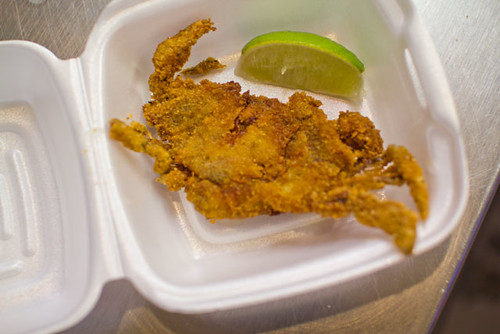
Seafood consumption in Saudi Arabia is growing steadily with urban expansion and the wave of new restaurant chains and hotels, and local production cannot cover demand — making imports a structural pillar of the market. China is among the world's largest seafood producers and processors, supplying farmed shrimp, tilapia, white fish fillets, squid, and processed shellfish at competitive prices with massive value-adding capacity (peeling, portioning, private-label packing). But this is also the highest-operational-risk category there is: a sensitive product, a cold chain that forgives no mistakes, and strict SFDA oversight. Success here is achievable and profitable — with total discipline.
What to Import from China
- Farmed vannamei shrimp: the most requested item among restaurants and catering companies, in multiple sizes and grades.
- Tilapia and white fillets: the economical, high-volume choice for restaurants and canteens.
- Squid, octopus, and processed shellfish: growing categories as Asian cuisine spreads.
- Value-added products: peeled and deveined shrimp, breaded items, and ready-to-cook assortments.
Where It Is Farmed and Processed
- Zhanjiang (Guangdong): China's shrimp capital and a huge farming and processing hub, close to our field team.
- Fujian (Xiamen and Zhangzhou): fish, squid, and processed products.
- Shandong (Qingdao and Yantai): the largest reprocessing and export centre for white fish.
- Hainan: shrimp and tilapia farming.
SFDA Requirements: The Decisive File
- Confirm that the Chinese exporting establishment is approved and accepted for export to Saudi Arabia under SFDA requirements — this is a foundational condition before any price negotiation.
- Require an official health certificate for every shipment from the competent Chinese authorities, plus perfectly matching certificates of origin and invoices.
- The Arabic food label is mandatory: product and scientific name, country of origin, production method (farmed or wild-caught), net weights and glazing percentage, dates, and storage conditions.
- Shipments are inspected and sampled on arrival, and are rejected for temperature abuse or failed microbiological analysis.
- Budget customs duty of approximately 5% (varies by item) plus 15% VAT.
The Cold Chain: Where the Deal Is Won or Lost
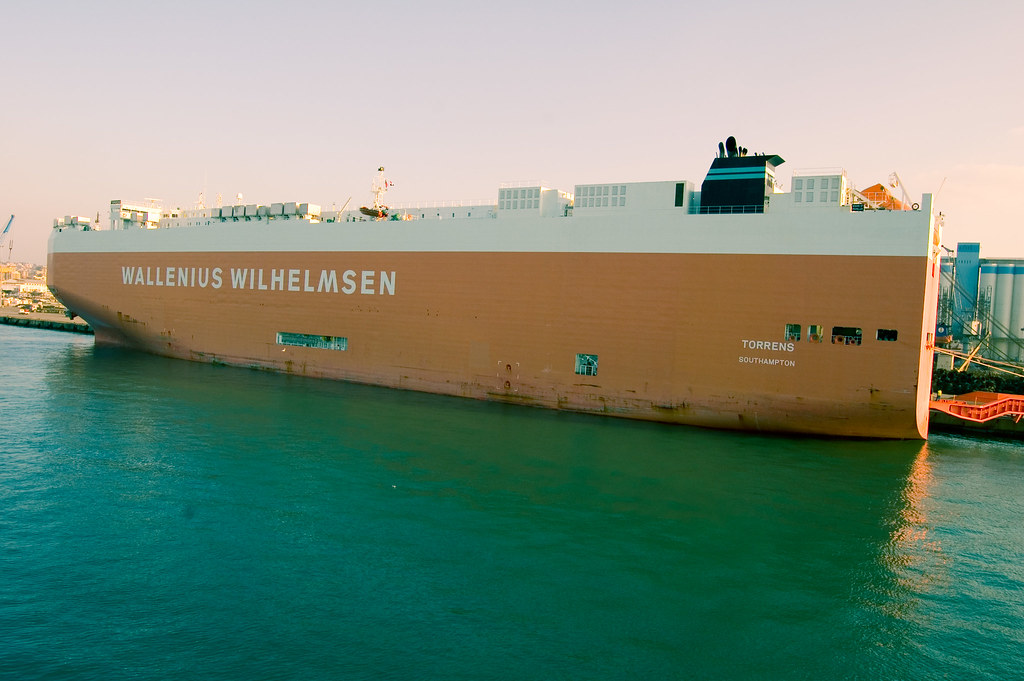
Frozen cargo ships in reefer containers at −18°C or colder for the whole voyage of approximately 18–30 days to Jeddah or Dammam. Contractually require temperature data loggers inside the container, and verify the factory uses rapid freezing (IQF for individual pieces) rather than slow freezing that ruins texture. Watch the glazing percentage in the contract — some suppliers inflate it to sell water at shrimp prices; a proper pre-shipment inspection weighs samples before and after deglazing to confirm the true net weight.
Prices and Minimums
- Frozen vannamei shrimp: approximately USD 4.8–9.5 per kilogram at origin depending on size and processing.
- Tilapia fillets: approximately USD 3.2–6 per kilogram.
- Squid and squid products: approximately USD 4–8 per kilogram.
- MOQ: typically one full reefer container (roughly 24–26 tonnes), with some exporters accepting mixed items in a single box.
- Reefer freight costs noticeably more than dry freight — build it into your pricing from day one.
Mistakes That Destroy Frozen-Seafood Deals
Contracting an establishment not approved for export to Saudi Arabia; accepting an undocumented glazing percentage; skipping the temperature logger so carrier liability can never be proven after damage; scheduling arrival without a pre-booked cold store; and competing purely on the lowest price in a product whose quality is measured in a laboratory, not by eye.
The golden rule in frozen seafood: do not buy a price, buy a documented cold chain — from the farm pond to your warehouse door.
The Terrace International field team in Guangzhou and Shenzhen sits close to the processing hubs of Zhanjiang and Fujian, verifying establishment approvals, inspecting and weighing samples before loading, and tracking clearance documents and the cold chain through to arrival. Contact us and enter the frozen seafood market on solid foundations from your very first container.