Importing Greenhouse Equipment from China to Saudi Arabia: The Agri-Investor's Guide
Feb 26, 2026
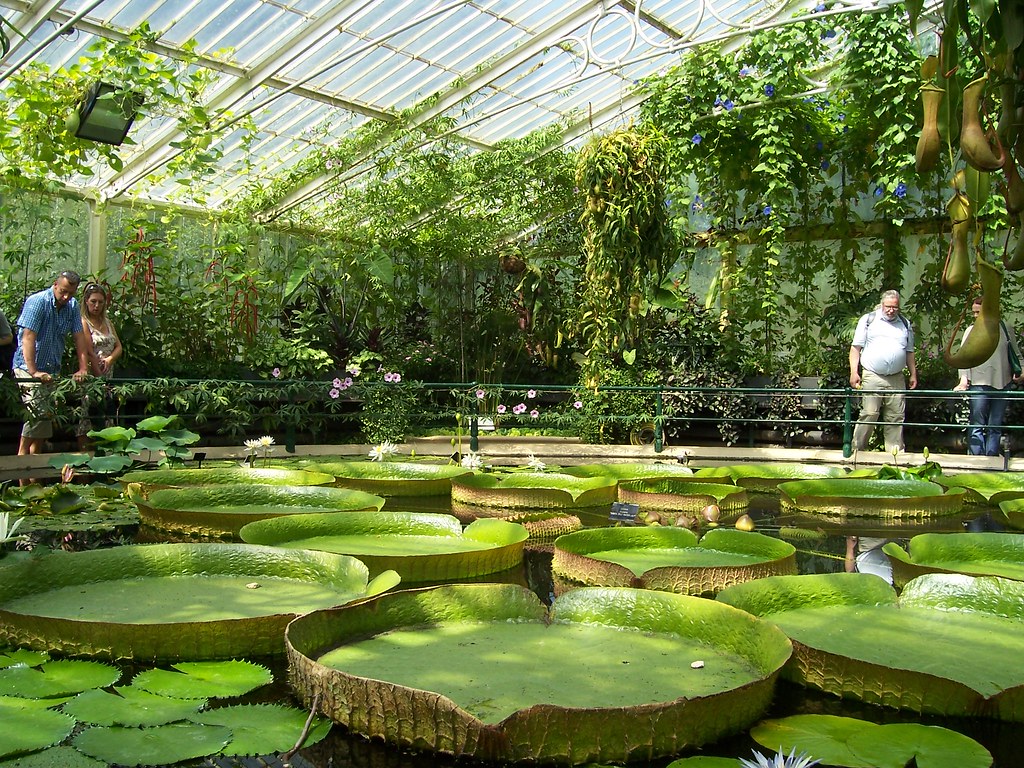
Protected agriculture in Saudi Arabia is no longer a niche experiment; it is a pillar of the Kingdom's food-security strategy under Vision 2030. With a harsh desert climate and scarce water, cooled and climate-controlled greenhouses have become the most viable way to grow leafy greens, tomatoes, cucumbers, and strawberries locally all year round. The opportunity for agricultural investors and equipment traders is clear: demand for greenhouse systems is growing every year, and China is the world's largest producer of this equipment, with prices often 40-60% below European alternatives and very acceptable quality — provided you select and inspect carefully.
Why China for Greenhouse Equipment
China operates the largest area of protected agriculture on the planet, and that domestic scale has built a complete manufacturing ecosystem for every component of the system: hot-dip galvanized steel structures, UV-stabilized polyethylene films and polycarbonate sheets, pad-and-fan evaporative cooling systems, shade nets, and full hydroponic (NFT and Dutch bucket) growing systems. This vertical integration means you can equip an entire project from one or two suppliers instead of coordinating ten vendors across different countries.
Where It Is Made: Cities and Clusters
- Shouguang, Shandong province: known as China's vegetable capital, surrounded by the country's densest cluster of greenhouse and climate-control manufacturers, with a dedicated annual horticulture technology expo.
- Weifang and Qingzhou, Shandong: industrial ventilation fans and evaporative cooling pads.
- Tianjin and Hebei: galvanized steel pipe and structural framing.
- Jiangsu and Zhejiang: polycarbonate sheets and high-grade agricultural plastic films.
Greenhouse Types and Realistic Price Ranges
Prices vary dramatically with type and specification. As indicative ex-factory ranges:
- Simple tunnel greenhouse: approximately USD 3-8 per square metre — suitable for trials and seasonal crops.
- Multi-span greenhouse with plastic film cover: approximately USD 10-20 per square metre with basic ventilation and cooling.
- Polycarbonate or glass greenhouse with full climate control and hydroponics: approximately USD 25-60 per square metre depending on automation level.
On top of that, budget for sea freight (structures are heavy and bulky, so full containers are the norm), customs duty of approximately 5% on some tariff lines — with certain agricultural equipment potentially exempt — plus 15% VAT. Consult a customs broker on the exact HS codes before you buy; the difference between one classification and another can reshape your business case.
Quality Specifications That Protect Your Investment
A greenhouse is expected to survive 10-15 years under Saudi sun, wind, and sandstorms. This is where factories truly differ:
- Galvanization: insist on hot-dip galvanizing with adequate zinc coating weight, not cheap electro-galvanizing that rusts within two years in salty, humid conditions.
- Wind-load rating: require a structure engineered for wind speeds of at least 120 km/h, and put that figure in the contract.
- Film lifespan: UV-stabilized films are sold with claims of 3-5 years of life; the gap between claim and reality is the real percentage of UV stabilizers. Ask for the factory's test certificate.
- Cooling pads: low-grade pads disintegrate within a single season when run on Saudi Arabia's high-salinity water.
- Electrical compatibility: Saudi Arabia runs on 60Hz while China runs on 50Hz. Fans, pumps, and motors ordered with the wrong specification will underperform or burn out. This is the single most repeated technical mistake in this category.
Certification and Customs Clearance
Electrical components — fans, control panels, pumps, motors — require SABER platform registration and SASO conformity certificates before the shipment arrives at Jeddah Islamic Port or King Abdulaziz Port in Dammam. Steel structures and covers are simpler from a regulatory standpoint but still need accurate HS-code documentation. Sea freight from Chinese ports takes approximately 18-30 days, and production lead time for mid-size projects is typically 25-45 days.
Common Mistakes That Cost Investors Dearly
The classics: buying a greenhouse designed for China's temperate climate and expecting it to survive a Riyadh summer; skipping spare parts (always order 5-10% extra film, pads, and fittings with the shipment); ignoring installation supervision; and comparing supplier quotes on price alone without normalizing the spec sheet — pipe wall thickness, zinc coating weight, cover type, and fan capacity must be identical before prices mean anything.
Golden rule: write one unified technical specification sheet, send it to every supplier, compare quotes line by line against the same specs — and never pay a deposit to a factory nobody has physically inspected.
The Terrace International field team in Guangzhou and Shenzhen visits greenhouse factories in Shandong on your behalf, negotiates specifications and pricing, inspects galvanizing and components before loading, and manages SABER registration and customs clearance all the way to your farm gate. Talk to us before wiring a deposit to a factory no one has actually seen.