Importing Spices and Herbs from China to Saudi Arabia: Packaging and SFDA Compliance
Feb 16, 2026
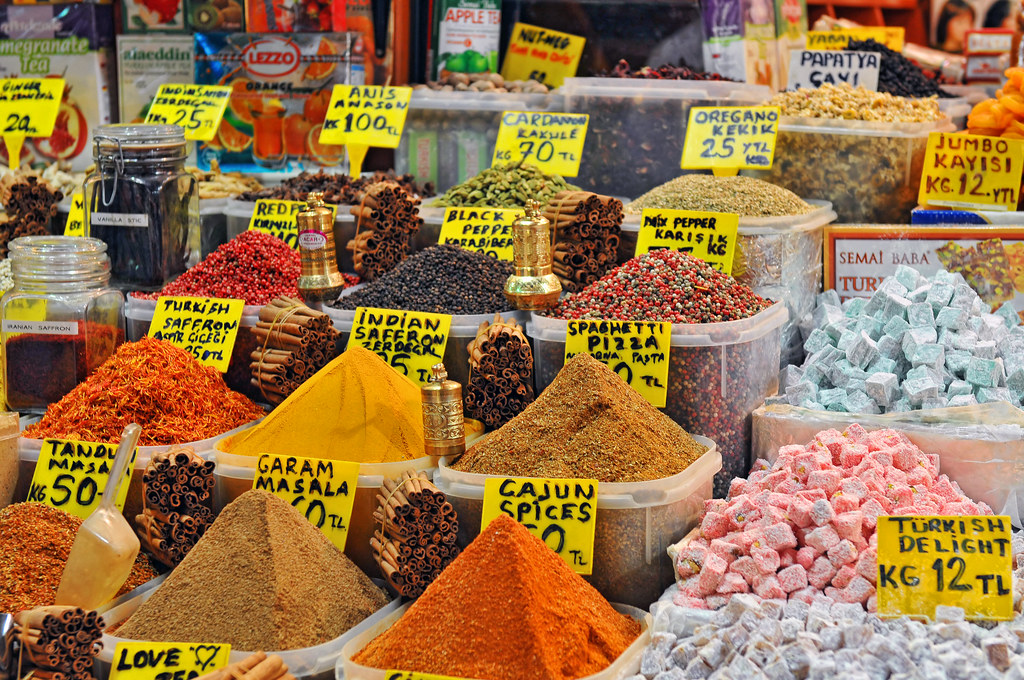
Spices and herbs are a trade as old as the Silk Road, yet today they are a thoroughly modern category with excellent margins for importers who master two things at once: food quality and regulatory compliance. Saudi and Gulf consumers are among the world's highest per-capita spenders on spices, and local restaurants and food factories need steady supply at competitive prices. While India and Vietnam lead in some products, China remains a top global origin for specific items where it wins on both quality and price — with the added advantage of modern private-label packing capability.
Where China Genuinely Excels
- Ginger: China is the world's largest exporter — fresh, dried, and ground — mostly from Shandong.
- Garlic: Jinxiang in Shandong is the garlic capital of the world, supplying fresh bulbs, flakes, and powder.
- Star anise: Guangxi province grows the bulk of global production.
- Cassia cinnamon: from Guangxi and Guangdong, in sticks and ground form.
- Dried and ground chili: Henan, Guizhou, and Xinjiang, across heat levels and color grades.
- Herbs and botanicals: fennel, goji berries from Ningxia, and various medicinal herbs — watch their regulatory classification carefully.
SFDA Requirements: The Heart of This Trade
Spices are food, and food entering Saudi Arabia is regulated by the Saudi Food and Drug Authority (SFDA). Before any container moves, put your paperwork in order:
- Importer and product registration: register your facility and food products in the SFDA's electronic systems before shipping.
- Arabic food label: mandatory data including product name, ingredients, country of origin, net weight, production and expiry dates, and importer details — printed or properly affixed in Arabic.
- Shipment certificates: certificate of origin, a health/analysis certificate from an accredited body, and a phytosanitary certificate for unprocessed botanical products.
- Laboratory testing: food shipments are subject to sampling at the port. The critical contaminants in spices are pesticide residues, aflatoxin, banned synthetic dyes such as Sudan colorants in chili, and excess moisture.
A failed lab test means rejection or destruction of the shipment at your cost — so test before shipping from China, not after arrival.
Packaging: Where the Margin Is Made
Your first strategic decision: bulk or retail-packed?
- Bulk (10-25 kg bags): lowest cost, right for selling to local packers and restaurants, keeping final packing in Saudi Arabia.
- Private-label retail packing in China: the larger spice exporters run modern lines — stand-up zipper pouches, jars with built-in grinders, and portion sachets for food service. Private-label MOQs typically run 3,000-10,000 units per SKU.
- Protective packaging: specify multi-layer moisture-barrier bags; spices absorb humidity during the sea voyage and cake or mold without them.
Realistic Prices and Commercial Considerations
- Dried ginger: approximately USD 2-4 per kg FOB depending on grade and season.
- Garlic powder: approximately USD 1.5-3.5 per kg.
- Star anise: approximately USD 3-8 per kg, with sharp seasonal swings.
- Dried chili: approximately USD 1.5-4 per kg by variety and color grade.
Shipping is mostly by sea (18-30 days to Jeddah Islamic Port or Dammam), with ventilated or reefer containers preferred for some products. Customs duty is approximately 5% on many food lines with variations by item, plus 15% VAT. Agricultural prices are seasonal, so lock pricing in a clear contract and buy around harvest windows.
Spice Quality: How to Inspect Before Shipment
- Moisture: write a maximum moisture percentage into the contract (typically 8-12% by product) and verify it with a meter.
- Purity: check foreign matter, stems, and dust levels, and specify machine cleaning and washing grade.
- Color and volatile oils: a spice's strength lives in its essential oils; request ASTA color analysis for chili and volatile-oil content for aromatic products.
- Sealed reference sample: keep a contract-approved sample and grade every shipment against it.
Common Mistakes
The most frequent: buying on a generic description with no defined quality grade; neglecting the Arabic label and losing days at the port; skipping pre-shipment residue testing; mixing herbs with medicinal uses into a food shipment and triggering a different regulatory track; and signing with middlemen who own no factory and hold no food-export records.
Golden rule: in food, a pre-shipment certificate of analysis is worth more than any price discount — a shipment rejected at the port is a total loss no discount can repair.
The Terrace International field team in Guangzhou and Shenzhen works with licensed spice exporters in Shandong and Guangxi: we verify food-export registrations, arrange pre-shipment lab testing, review Arabic labeling and packaging, and manage freight and clearance. Tell us your target products and we will build you a spice supply line that clears the port without surprises.