Importing Tea from China to Saudi Arabia: From Fujian Gardens to the Gulf Market
Mar 04, 2026
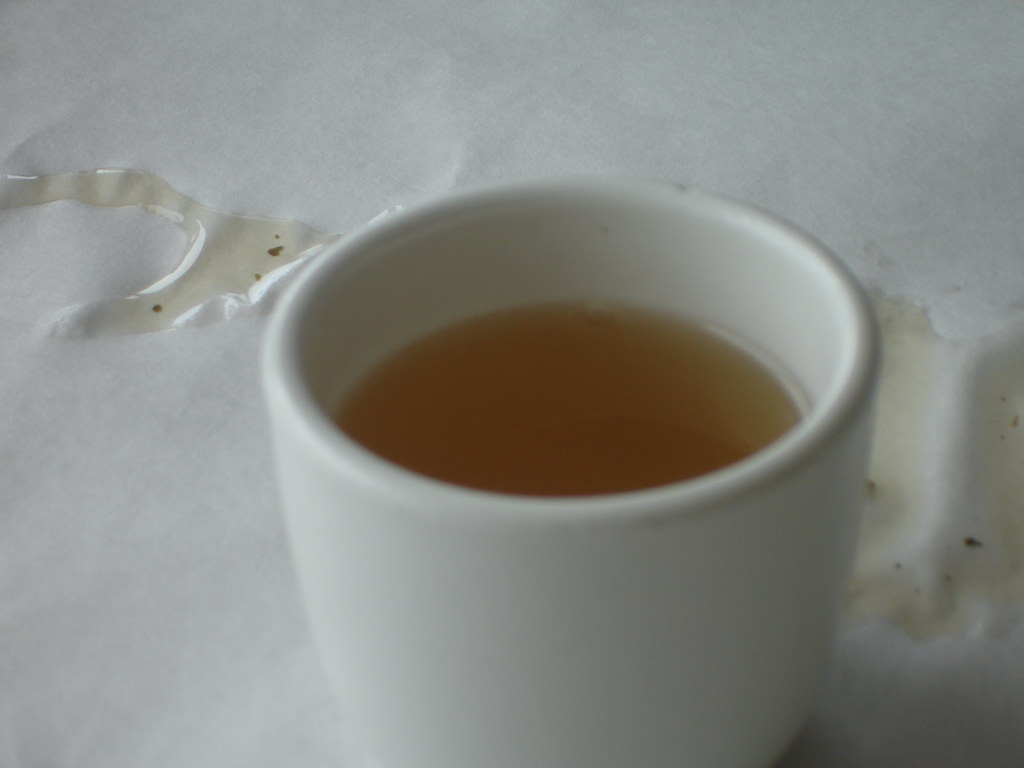
Tea is the Gulf's favourite drink after coffee, and the Saudi tea market is huge, stable, and recession-proof. With the rise of green tea, speciality tea, and modern tea houses across Riyadh and Jeddah, traders are turning to the world's original source: China — the birthplace of tea and its largest producer. Importing Chinese tea directly from the growing regions gives you better quality and far better pricing than buying through repacking middlemen, but it requires understanding quality grades and the SFDA requirements that treat tea as a fully regulated food product.
The Chinese Tea Map: What to Import and From Where
- Zhejiang (Hangzhou): the green tea capital and home of the famous Longjing; large volumes of commercial green tea grades are exported from here.
- Fujian: oolong, white tea, and jasmine tea — varieties gaining popularity in Gulf speciality tea shops.
- Yunnan: aged pu-erh and high-quality black tea.
- Anhui, Hunan, and Guangxi: commercial grades for packing and blending at competitive prices.
Define your audience first: wholesale to grocery and spice shops calls for economical commercial grades, while cafes and speciality retailers pay a premium for whole-leaf teas with documented harvests.
Quality Grades and How to Buy Intelligently
Tea sells in grades whose prices differ radically by picking season (the first spring flush is the most expensive), leaf style (whole, broken, fannings for tea bags), and processing method. Never buy from a catalogue. Request samples from the exact lot that will ship, and evaluate them in a real cupping session: liquor colour, aroma, taste, and how the flavour holds across repeated infusions. Serious factories provide analysis reports per lot — make that a contractual condition.
SFDA Requirements
- Tea is a food product regulated by the Saudi Food and Drug Authority: importer registration, health documentation, and a complete Arabic food label on the final packaging.
- Pesticide residues: the most important technical file in tea importing. Require recent accredited lab analyses for every lot and work with gardens that comply with Gulf-accepted maximum residue limits — a non-compliant shipment is rejected in full.
- Verify harvest and packing dates, shelf life, and remaining-shelf-life requirements at arrival.
- Budget customs duty of approximately 5% and 15% VAT.
Packaging and Shipping: Tea's Enemies Are Moisture and Odour
Tea absorbs humidity and smells fast, and the sea voyage to Jeddah or Dammam takes approximately 18–30 days through hot, humid conditions. Specify moisture-proof multi-layer packaging (aluminium-lined bags inside reinforced cartons), clean dry containers that have not previously carried strong-smelling cargo, and desiccant bags inside the container. For premium grades, consider temperature-controlled shipping or air freight for small high-value quantities.
Prices and Minimum Orders
- Commercial packing grades: approximately USD 2.5–8 per kilogram at origin depending on type and grade.
- Mid and good grades: approximately USD 8–24 per kilogram.
- Speciality lots (spring flushes, fine oolong): from roughly USD 27 per kilogram upward.
- MOQ: roughly 500 kg to 3 tonnes per variety with serious exporters, with pricing improving at container volume.
- After local packing under your own brand, retail-channel margins can comfortably exceed 100%.
Common Tea-Import Mistakes
Buying on the strength of an excellent sample and receiving a different lot; skipping pesticide analyses and losing the shipment at inspection; cheap packaging that soaks up sea moisture; spreading a first order across too many varieties before learning the market's palate; and neglecting to register your trademark before building a name in the market.
Golden rule: buy tea by the lot, not the catalogue — an approved sample from the same lot, a residue analysis of the same lot, and a pre-shipment inspection of the same lot.
The Terrace International field team in Guangzhou and Shenzhen stands between you and China's tea exporters: vetting suppliers, collecting and judging samples, reviewing analyses and food labels, inspecting the shipment before it sails, and managing its arrival. Write to us and let us help you build a tea brand that competes on genuine quality.