RoRo Shipping: How to Move Vehicles and Machinery from China
Oct 13, 2025
With the remarkable rise of Chinese cars in the Saudi market and growing imports of trucks, buses, and heavy machinery from China, understanding RoRo shipping has become essential for every vehicle trader and every contractor importing his own equipment. The name explains the idea: cargo rolls onto the vessel on its own wheels and rolls off at destination, no cranes and no containers. This guide explains when RoRo is your best option, what it roughly costs, the Saudi import requirements for vehicles and machinery, and the traps that catch first-time importers.
How RoRo Actually Works
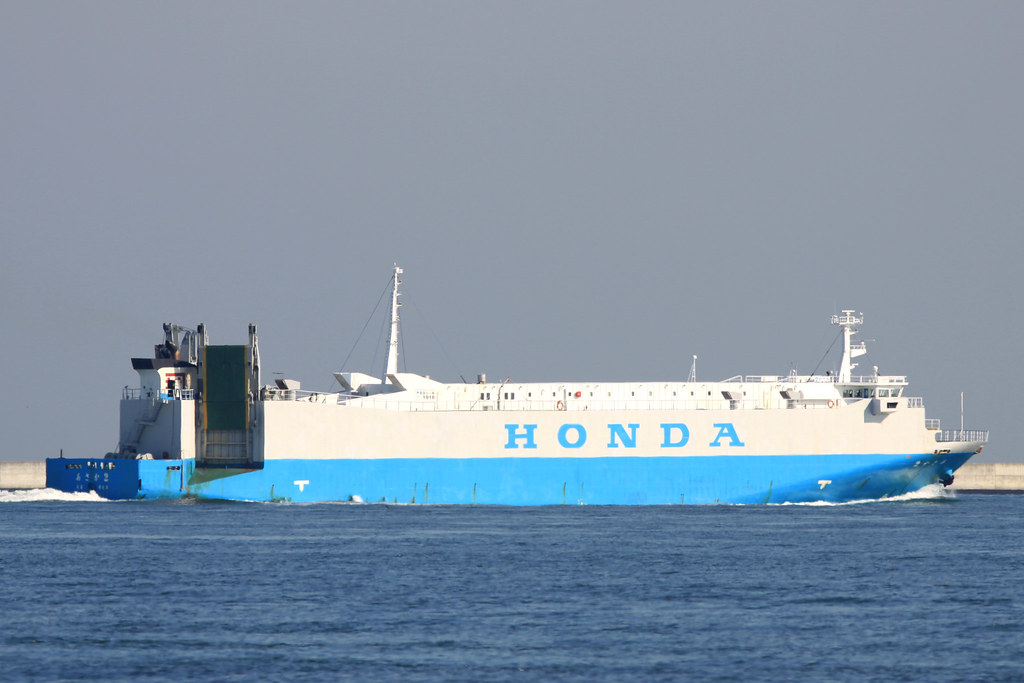
RoRo vessels are floating multi-storey garages with huge stern doors and drive-up ramps. You deliver your vehicle to the port yard in China a few days before sailing; port drivers take it aboard to its assigned spot, where it is lashed to the deck. At the destination port it is driven off to the receiving yard. The system suits new and used cars, trucks and buses, self-propelled heavy equipment such as excavators, loaders, and forklifts, and even non-running equipment when placed on special towed platforms known as Mafi trailers.
RoRo or Container? The Decisive Comparison
- Cost: RoRo is typically priced per cubic meter or per vehicle unit. A sedan from Shanghai or Guangzhou to Jeddah or Dammam costs approximately 800 to 1,900 USD depending on size and season, and it is often cheaper than shipping the same car in a container once lashing and unloading charges are added up.
- Security: a container gives complete isolation and suits high-value luxury cars, while a RoRo vehicle is driven by strangers at both ports and must contain no personal goods whatsoever, a rule many importers learn the hard way through confiscations and fines.
- Capacity: RoRo has almost no practical weight limits; a 50-tonne excavator simply climbs the ramp on its tracks, something no container can offer.
- Schedules: China to Gulf RoRo services sail less frequently than container lines, sometimes once or twice a month on certain routes, with voyages of approximately 20 to 35 days depending on intermediate ports.
Saudi Import Requirements for Vehicles
Before paying for any vehicle in China, review entry requirements carefully, because they are the difference between a profitable trade and a total loss:
- Technical conformity: imported vehicles fall under SASO vehicle requirements; confirm the model conforms to Gulf specifications, or can be approved, before you buy.
- Used vehicle age limits: Saudi Arabia restricts the import of used vehicles older than set limits and of vehicles previously written off as salvage; verify the current rules for your exact model and production year before committing.
- No right-hand drive: right-hand-drive vehicles cannot enter the Saudi market.
- Duties and taxes: customs duty of roughly 5 percent on vehicles plus 15% VAT on the value including freight, with customs valuing vehicles against their own reference guides, not merely your invoice.
- Heavy machinery: falls under different HS codes, may require conformity certificates by type, and some categories need additional approvals for project use.
Preparing a Vehicle for Shipment: A Practical Checklist
- Document the condition on video and photos from every angle, including the odometer, before handover; this is your only reference in a damage claim.
- Deliver it with a quarter tank of fuel or less per line requirements, and with a healthy battery, since a dead vehicle attracts towing surcharges.
- Empty it completely of personal effects and any extra goods.
- Hand over spare keys and papers: the invoice, certificate of origin, and the Chinese export certificate for vehicles, the foundation of clearance in Saudi Arabia.
- Insure the vehicle under a marine cargo policy covering its true value; the carrier's basic liability is usually capped well below it.
Where New Importers Get Trapped
The most repeated mistakes: buying a non-conforming vehicle and then discovering it can never be registered; trusting middlemen selling vehicles with encumbrances or incomplete papers; failing to book RoRo space early in peak seasons, leaving the vehicle accruing storage in a Chinese port yard for a month; stuffing goods inside the vehicle; and relying on an understated invoice that Saudi customs re-values with penalties on top.
Golden rule: in vehicle importing, confirm registrability in Saudi Arabia before you pay in China. A vehicle that cannot be registered is scrap metal you bought at car prices.
Ship RoRo or Wait for a Container Consolidation?
The quick decision: one to three standard vehicles or a self-propelled machine: RoRo, usually. High-value luxury cars, or vehicles accompanied by spare parts and other goods: container. A whole fleet of dozens of units: negotiate a seasonal RoRo contract at special rates directly with the line through your forwarder.
The Terrace International field team in Guangzhou and Shenzhen walks this file with clients from the start: vetting the supplier and the unit before any payment, physically inspecting and test-running vehicles and machinery, arranging RoRo bookings with reliable lines, documenting handover on video, then tracking arrival and clearance at Jeddah Islamic Port or King Abdulaziz Port in Dammam. Contact us before your next vehicle or machinery deal and we will make the road from the Chinese factory to your yard smooth, with no bumps you did not plan for.